
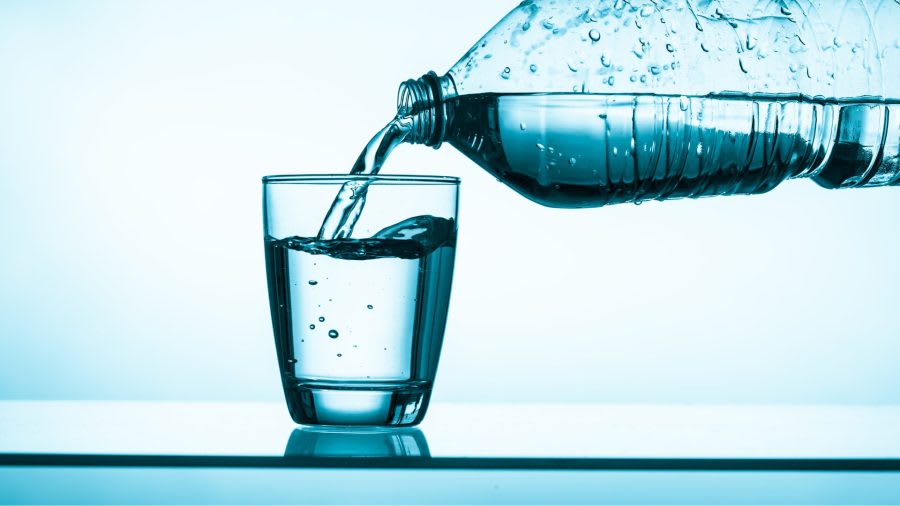
Premium Water Market Surges to $28 Billion
Consumers Seek Health, Luxury, and Sustainability in Every Sip
The market for premium bottled water is experiencing a significant boom, valued at $16.81 billion in 2024 and projected to reach $28.29 billion by 2033. This growth, averaging 5.66% annually, reflects a broader consumer shift towards prioritizing wellness, sophisticated branding, and environmentally conscious choices in their hydration habits.
North America Leads the Premium Hydration Trend
North America currently holds a commanding 36.7% share of the global premium bottled water market. This dominance is attributed to a highly health-conscious consumer base and a strong demand for high-quality, reliably sourced hydration options. The region’s robust economy and consumer spending power further fuel this trend.
Key Product Categories Driving Demand
Mineral water remains the most popular product within the premium segment, closely followed by spring, sparkling, and a growing array of flavored waters. These varieties cater to diverse consumer preferences, from those seeking essential minerals to those desiring enhanced taste profiles with low-calorie infusions.
Evolving Distribution and Consumer Engagement
While supermarkets and hypermarkets continue to be the primary sales channels, the online retail space is rapidly expanding its footprint in premium bottled water distribution. This digital growth makes premium options more accessible to a wider audience, aligning with evolving consumer shopping habits.
Innovation and Sustainability Shape Future Growth
The sector is being propelled by several key trends. Consumers are increasingly drawn to functional waters, enhanced with vitamins or electrolytes, and there’s a pronounced shift towards eco-friendly packaging, including recycled plastics, aluminum cans, and biodegradable materials. Brands are also leveraging social media platforms to connect with younger demographics and highlight product purity and origin.
As reported by the Environmental Protection Agency (EPA), recycling rates for plastic bottles and jars in the U.S. were approximately 29.1% in 2021, underscoring the ongoing challenge and opportunity for sustainable packaging solutions in this market.
Diverse Applications Elevate the Premium Water Experience
Premium bottled water is no longer confined to simple refreshment; it’s integrated into various lifestyle sectors. High-end restaurants and hotels offer it to enhance guest experiences, while fitness centers promote functional varieties for post-workout recovery. Corporate events also feature premium water as a symbol of status and care.
Navigating Regulatory Landscapes and Market Challenges
Global regulations for bottled water, though varying by region, consistently emphasize safety and transparent labeling. While stringent standards in areas like Europe ensure product quality, they can also contribute to higher production costs. The industry faces significant challenges, including mounting concerns over plastic waste and the expense associated with premium sourcing and innovative packaging. Competition from readily available tap water and other beverage alternatives also presents an ongoing hurdle.
Untapped Opportunities in Emerging Markets and Beyond
Significant growth potential lies within emerging markets in Asia-Pacific and Latin America, driven by increasing urbanization and rising disposable incomes. Innovations in sustainable packaging, such as plant-based bottles, coupled with the expansion of functional water varieties, are poised to capture the attention of environmentally and health-conscious consumers. E-commerce platforms are also crucial for broadening market access, while strategic partnerships with influencers and fitness brands can foster greater brand loyalty and sales.
The premium bottled water industry is poised for continued robust expansion, driven by a confluence of consumer demands for healthier lifestyles, elevated experiences, and a growing commitment to environmental stewardship.
