
Pranayama and Breathing: What’s the Difference?
While often used interchangeably, “breathing” and “pranayama” represent distinct concepts, particularly within the context of yoga. Breathing is the natural, often unconscious, physiological process of taking in oxygen and releasing carbon dioxide. Pranayama, though, is a deliberate and controlled practice of breath regulation, forming a vital component of yogic philosophy and practice.
Effective pranayama relies heavily on the physical capacity for full, unrestricted breathing.The movement of the ribs is central to this; limitations in connective tissue and muscle flexibility can inhibit this natural expansion. Therefore, preparation thru regular asana practice – physical yoga postures – is crucial. Asanas stretch these tissues, allowing for freer rib movement and greater lung capacity. Attempting pranayama without this foundational preparation can be counterproductive, potentially agitating the mind instead of calming it.
Correct posture is also paramount. Because the ribs connect to the spine, proper alignment during breathing exercises is essential. For beginners struggling with traditional seated postures, B.K.S. Iyengar recommended practicing prone, utilizing a towel to support the lower ribs and encourage spinal extension. This addresses a common challenge for Westerners who may find it difficult to maintain a straight back for extended periods.
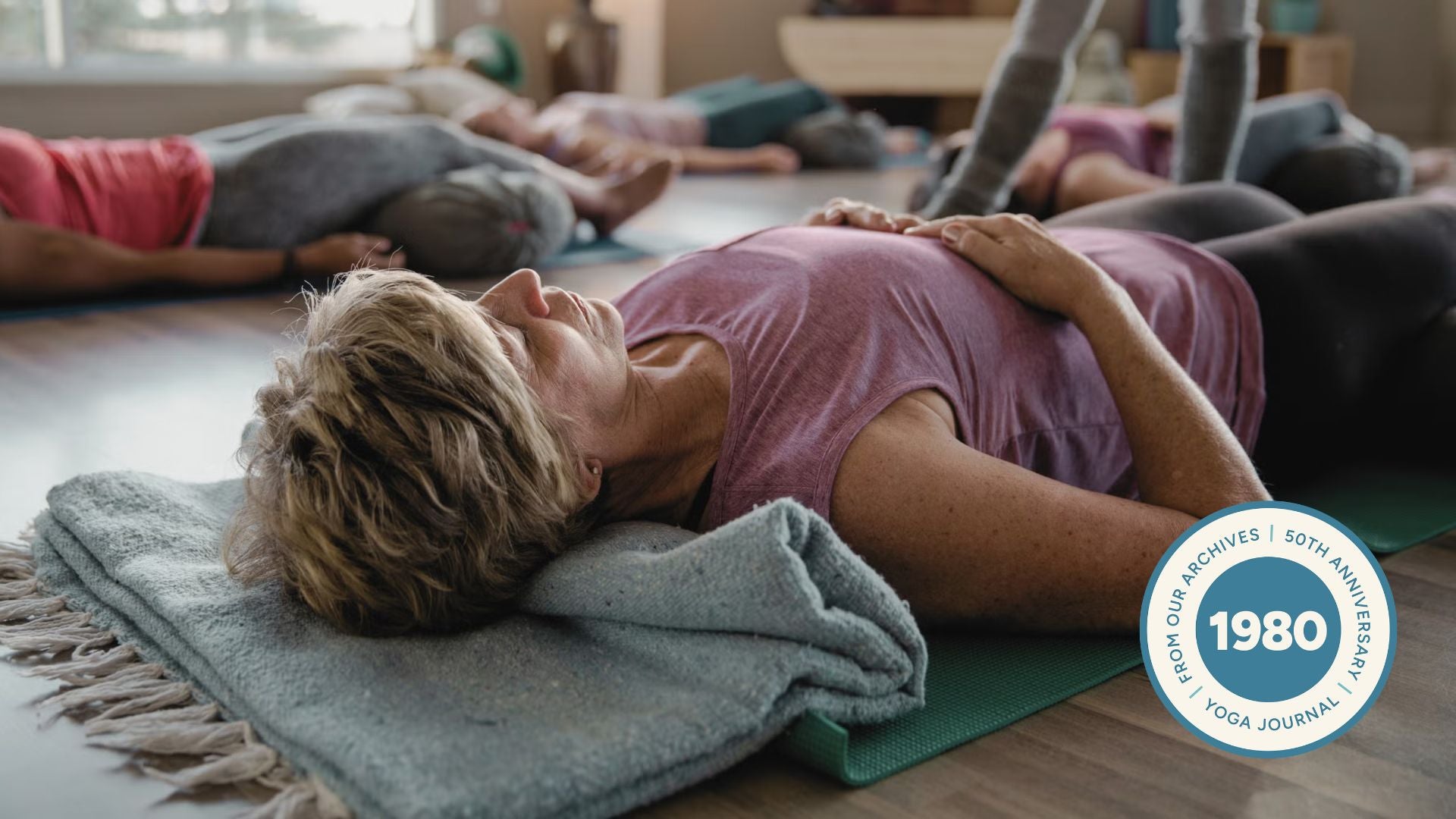
So, how does one begin to practice pranayama? A foundational technique, sama vritti, or equal breathing, starts in Savasana (Corpse Pose).Careful attention to body alignment is key: legs and arms equidistant from the spine, a free spine, balanced pelvis and shoulders, and a chin gently dropped towards the floor.A rolled towel placed under the lower ribs can further lift the rib cage and extend the lower back, ensuring the head remains relaxed. Eyes remain closed throughout.
The initial focus of sama vritti is simply observing the natural rhythm of the breath – the inhalation and exhalation. Once the mind settles, the practice involves gently equalizing the length of these two phases. Crucially, this should be done without strain or forced effort. Instead of attempting to lengthen the shorter phase, the goal is to bring the longer phase down to match the shorter one.
The aim is to cultivate a long, smooth, and even breath, allowing for a natural pause between inhalation and exhalation. Beginners should start with five minutes, gradually increasing to fifteen. Pranayama should not promptly follow vigorous asana practice. The best times for practice are either before asana, first thing in the morning, or later in the afternoon when the mind is calmer.
Following sama vritti, a five- to fifteen-minute savasana is recommended. The practice should evoke feelings of equanimity and poise; agitation indicates a need to shorten the practice and return to Savasana. Consistent daily practice, focusing on the quality of the breath rather than its duration, yields the most beneficial results. This lying practice can be sustained for years, particularly for those practicing without direct teacher supervision.
