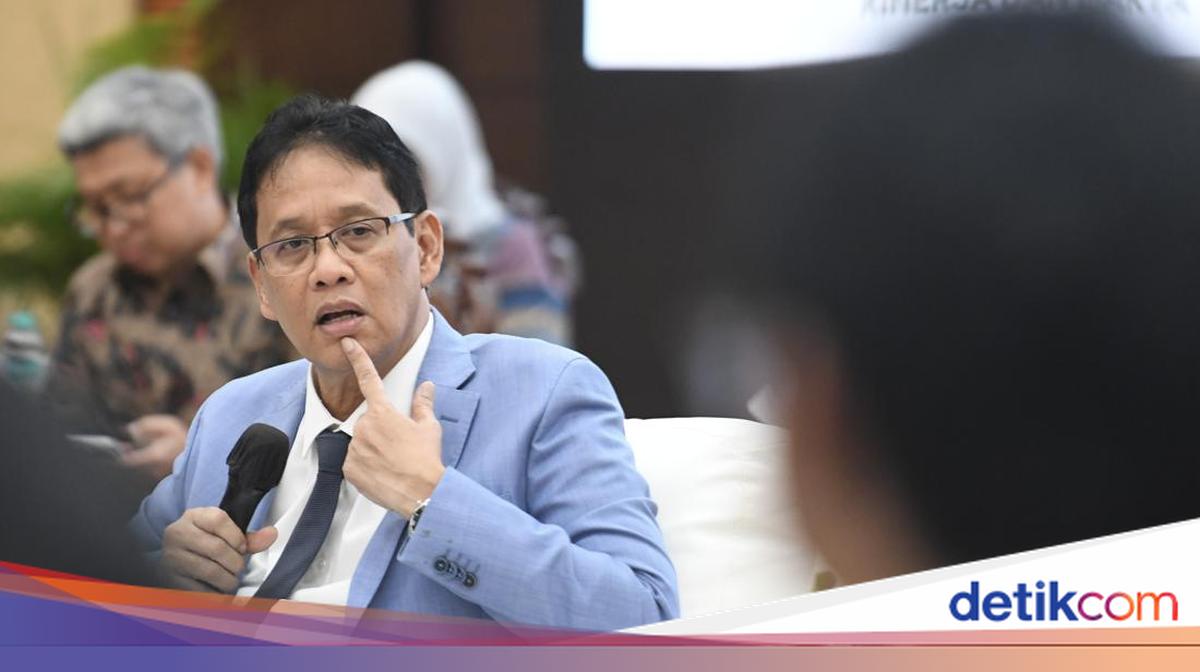
Prabowo Orders Purbaya to Replace Customs Director: Political Shake-Up in Indonesia’s Tax Agency
Indonesian President Prabowo Subianto has ordered the immediate removal of the head of the Customs and Excise Agency (Bea Cukai), marking a sharp escalation in his administration’s efforts to overhaul Indonesia’s fiscal institutions. The directive, issued on May 20, 2026, follows a pattern of high-profile personnel changes that have unsettled markets and raised concerns about institutional stability. With state revenue declining sharply and protests over economic policies intensifying, Prabowo’s move targets perceived inefficiencies in tax collection—a critical revenue stream for Southeast Asia’s largest economy. The question now is whether this restructuring will restore confidence or deepen fiscal uncertainty.
Why This Matters: The Fiscal Crisis Behind the Shake-Up
Indonesia’s Customs and Excise Agency has long been a flashpoint for corruption allegations and operational inefficiencies. The agency, which collects nearly 60% of the government’s annual tax revenue (Ministry of Finance data), has faced repeated criticism for slow digital transformation, bureaucratic bottlenecks, and a lack of transparency in high-profile cases. Prabowo’s intervention comes as state revenue fell by 12.3% in the first four months of 2026 compared to the same period last year—a decline directly linked to weakened enforcement and global commodity price volatility.
The timing is no accident. With the rupiah trading near its weakest levels since the 2018 currency crisis and inflation eroding household purchasing power, Prabowo’s administration is under pressure to demonstrate fiscal competence. His recent replacement of Finance Minister Sri Mulyani Indrawati—widely respected for her disciplined budget management—sent shockwaves through global markets. The Customs Agency shake-up is the next domino in a broader strategy to assert control over Indonesia’s fiscal levers, but it risks further destabilizing investor sentiment.
“The Customs Agency’s leadership has been a black box for too long. If they can’t deliver results, they must go—no exceptions. But replacing them without a clear plan for reform will only create more chaos.”
The Human Cost: Regional Economies on the Line
The Customs Agency’s dysfunction doesn’t just hurt Jakarta’s coffers—it cripples local economies across Indonesia. Port cities like Surabaya and Belawan rely on efficient customs clearance to maintain their status as trade gateways. Delays in processing imports and exports cost businesses millions annually in storage fees and lost opportunities. In Bekasi, a manufacturing hub just outside Jakarta, minor and medium enterprises (SMEs) have already begun relocating supply chains to neighboring Malaysia and Vietnam due to unpredictable customs delays.
The agency’s struggles are most acute in Papua, where smuggling and tax evasion have hollowed out government services. Local officials report that only 30% of potential tax revenue is collected in the region, leaving critical infrastructure—roads, hospitals, and schools—chronically underfunded. “We’re bleeding money every month,” said Governor Lukas Enembe in a recent interview. “The central government talks about development, but without reliable revenue, One can’t even maintain what we have.”
Historical Context: A Legacy of Reform and Resistance
Prabowo’s push to “clean up” the Customs Agency echoes past attempts to modernize Indonesia’s fiscal institutions. During the Suharto era, the agency was notorious for corruption, with officials pocketing millions from under-the-table deals. Reform efforts under President Susilo Bambang Yudhoyono introduced digital systems, but resistance from entrenched bureaucrats and political interference stymied progress. Today, Prabowo’s approach—brutal efficiency over gradual reform—risks repeating history by alienating the very officials needed to implement change.
- 1998: Customs Agency overhaul begins under Habibie, but collapses amid economic crisis.
- 2005: Yudhoyono’s “Big Bang” tax reform fails due to bureaucratic pushback.
- 2014: Jokowi establishes the National Taxation Body to streamline collections, but regional disparities persist.
- 2026: Prabowo’s direct intervention—with no clear succession plan—threatens to derail years of incremental progress.
The Market Reaction: Fear Overwhelms Confidence
Since Prabowo’s announcement, the IDX Composite Index has dropped 2.1% in two trading sessions, with foreign investors pulling $1.8 billion from Indonesian bonds and stocks. The rupiah, already under pressure, weakened to 16,600 per dollar—the lowest since 2019. Analysts warn that without a credible reform roadmap, the sell-off could accelerate, pushing Indonesia into a liquidity crunch.
| Metric | May 15, 2026 | May 20, 2026 | Change |
|---|---|---|---|
| IDX Composite Index | 7,245 | 7,098 | -2.1% |
| Rupiah vs. USD | 16,450 | 16,600 | -1.0% |
| Foreign Portfolio Outflows (USD) | $800M | $1.8B | +125% |
The uncertainty has hit small businesses hardest. In Denpasar, textile exporters report that banks have tightened credit lines, making it impossible to restock inventory ahead of the peak Ramadan shopping season. “We’re being choked by red tape and now by fear,” said Reni Wardhani, CEO of PT. Batik Mandiri. “If the government can’t guarantee stability, we’ll have no choice but to shut down.”
Who Steps In? The Race to Fill the Void
Prabowo has tapped Bimo Wijayanto, a former tax official with a reputation for tough enforcement, to lead the Customs Agency. But Wijayanto’s track record—including a controversial crackdown on SMEs accused of tax evasion—has raised concerns among business groups. Meanwhile, the Ministry of Finance is scrambling to appoint a new Director General of Taxes, with names like Agus Martowardojo (former central bank governor) and Sony Kapera (current tax commissioner) circulating in whispers.

“The problem isn’t just the leadership—it’s the system. If Prabowo replaces the top brass without fixing the underlying corruption and inefficiency, we’ll see the same cycle repeat in six months.”
The Directory Bridge: Solutions for a Crisis
With institutional trust at an all-time low, businesses and communities affected by the Customs Agency’s dysfunction are turning to specialized professionals to navigate the fallout. Here’s how the crisis is creating demand for critical services:
- Tax Compliance & Dispute Resolution: Companies facing sudden audits or delayed clearance are consulting specialized tax attorneys to mitigate risks. Firms like SSEK Law Firm and Hogan Lovells Jakarta report a 40% surge in inquiries since Prabowo’s announcement.
- Supply Chain Optimization: Exporters in Surabaya and Belawan are partnering with freight forwarders to reroute shipments through more efficient ports, such as Singapore or Hong Kong. Local logistics hubs are seeing unprecedented demand for warehouse space and cross-border customs consulting.
- Corporate Restructuring: SMEs in Bekasi and Bandung are exploring mergers or relocations with the help of financial advisors specializing in Indonesia’s volatile regulatory environment.
- Regional Advocacy: Governors like Lukas Enembe are collaborating with anti-corruption NGOs to push for decentralized tax reforms, arguing that Jakarta’s top-down approach has failed Papua and other remote regions.
The Long Game: Can Prabowo Break the Cycle?
The Customs Agency shake-up is more than a personnel decision—it’s a test of Prabowo’s ability to deliver on his campaign promise of “clean and efficient governance.” His predecessors failed because they treated symptoms without addressing the root causes: a culture of impunity, weak digital infrastructure, and political interference. If Prabowo’s reforms succeed, they could unlock billions in untapped revenue. If they fail, Indonesia risks a deeper fiscal crisis, with ripple effects across Southeast Asia.
The clock is ticking. With the next presidential election cycle looming in 2029, Prabowo’s legacy hinges on whether he can restore confidence—or whether Indonesia will be remembered as the nation that lost its fiscal nerve in the face of reform.
For businesses and communities navigating this uncertainty, the path forward is clear: World Today News Directory connects you with verified experts—from tax attorneys to logistics specialists—equipped to turn chaos into opportunity. In times like these, the right partners make all the difference.