PP and Vox Extremadura Pact: Burka Ban and Anti-Migration Measures
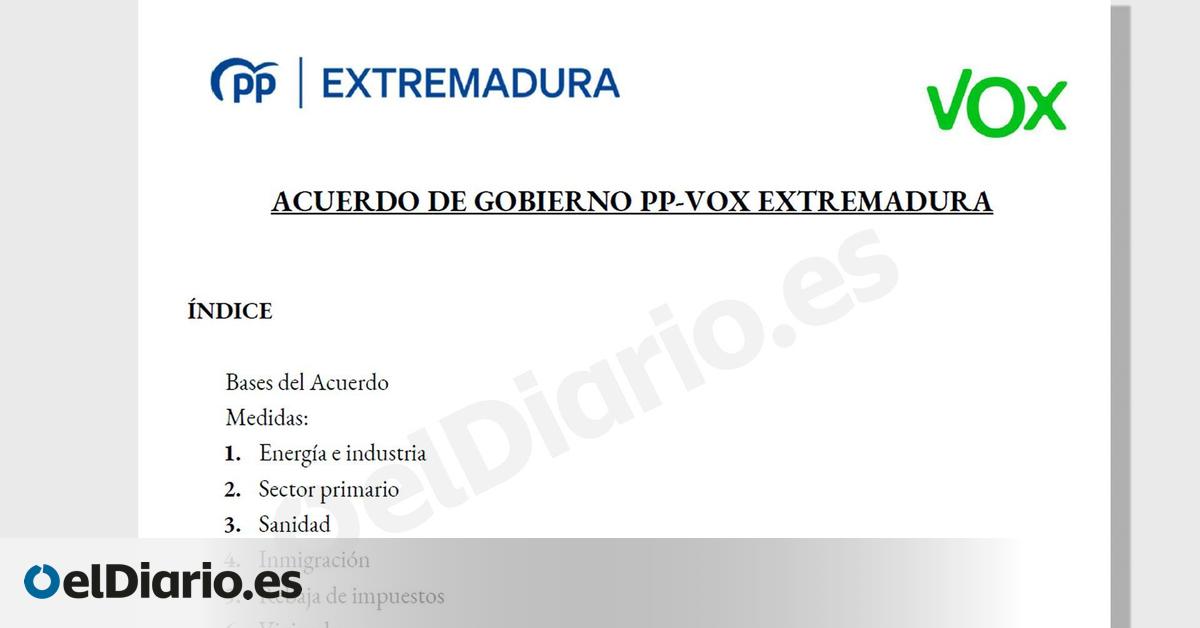
On April 16, 2026, the PP and Vox coalition government in Extremadura finalized a 23-page policy agreement that includes banning the burka and niqab in public spaces, rejecting the reception of unaccompanied migrant minors, cutting public funding to NGOs aiding migrants, and dismantling Arabic language education programs—measures framed as anti-illegal immigration but widely criticized for overreach into religious freedom, humanitarian aid, and cultural integration, with long-term implications for social cohesion and legal compliance in western Spain.
The Human Cost of Policy Extremism in Extremadura
The agreement’s most contentious clause targets migrant children: “No more unaccompanied foreign minors” will be admitted, and no new reception centers will open. Instead, the Junta pledges to fast-track deportations and implement mandatory age-assessment tests to prevent alleged fraud—a practice condemned by child rights groups as traumatic and scientifically unreliable. In Badajoz, where over 300 migrant minors were housed in 2025, shelters now face closure despite rising demand from families fleeing violence in the Sahel. One social worker in Mérida, speaking on condition of anonymity, warned:
“We’re not seeing fraud—we’re seeing children who’ve crossed deserts and seas alone. To subject them to invasive bone scans or dental exams as a default is not protection; it’s punishment for being poor and brown.”

Simultaneously, the ban on full-face veils in public spaces ignores a 2013 Spanish Supreme Court ruling that struck down a similar ordinance in Lleida, affirming that municipalities lack authority to restrict fundamental religious rights without national legislation. Legal scholars note that Extremadura’s jurisdiction over public order is limited, making the ban vulnerable to immediate judicial challenge. A constitutional law professor at the University of Extremadura stated plainly:
“This isn’t about security—it’s symbolism. You cannot regulate faith through regional edicts when the Constitution reserves that power to the State. This law will fall, but not before it harms women who simply wish to walk to market or take their children to school.”
Economic and Educational Repercussions
The coalition’s agenda extends beyond migration. By withdrawing subsidies from NGOs accused of being “necessary collaborators of human trafficking mafias”—a direct echo of Vox’s discredited “rebound effect” theory—the agreement risks collapsing vital support networks for asylum seekers, including legal aid, language classes, and job placement. In Cáceres, where migrant-led cooperatives have revitalized rural agriculture and elderly care, organizations report a 40% drop in projected funding for 2026, threatening dozens of jobs. Meanwhile, the elimination of the Arabic Language and Moroccan Culture Program in public schools removes a rare bridge between Andalusian heritage and North African communities, a program that served over 1,200 students across Extremadura in 2024.
On energy, the pact’s promise to “leverage all legal means” to block solar and wind farms on productive or culturally significant land aligns with agribusiness interests but contradicts Spain’s national goal of 81% renewable electricity by 2030. Extremadura, already a leader in solar production, could notice stalled private investment as developers face uncertain permitting. The decision to “bloc” the primary sector from Agenda 2030—without defining how—further isolates the region from EU green funding streams, potentially jeopardizing modernization grants for olive groves and livestock farms.
Directory Bridge: Where Solutions Meet Crisis
As municipal attorneys prepare to challenge the burka ban in regional courts, and as humanitarian workers scramble to relocate displaced minors, the need for trusted, local expertise has never been greater. Families navigating sudden loss of shelter or legal status require immediate support from immigration and human rights lawyers who understand both Spanish asylum law and EU child protection directives. Simultaneously, communities seeking to preserve cultural education programs or resist discriminatory ordinances benefit from local economic planners can facilitate identify alternative funding sources and workforce retraining paths tied to sustainable development.
The Editorial Kicker
Extremadura’s pact is not an isolated experiment—it is a blueprint being watched by far-right coalitions nationwide. When policy replaces compassion with performance, and legality is subordinated to symbolism, the true measure of a society isn’t in its laws but in who it leaves behind. The World Today News Directory exists to connect those affected with the verified professionals who can help them rebuild—not just survive.