
.
The Vatican is now at the center of a structural shift involving global wealth concentration. The immediate implication is an elevated moral framing of inequality that could shape policy discourse and private‑sector risk assessments.
The Strategic Context
The Catholic Church has historically leveraged its global network too influence social norms. In the current multipolar era, rising wealth disparity, climate‑driven resource stress, and demographic aging converge to amplify calls for redistributive narratives. Religious soft power, while lacking formal coercive authority, remains a conduit for mobilizing public sentiment across diverse political systems. The Jubilee year, a conventional period of forgiveness and renewal, provides a ceremonial platform to re‑assert this influence at a time when secular institutions face legitimacy challenges.
Core analysis: incentives & Constraints
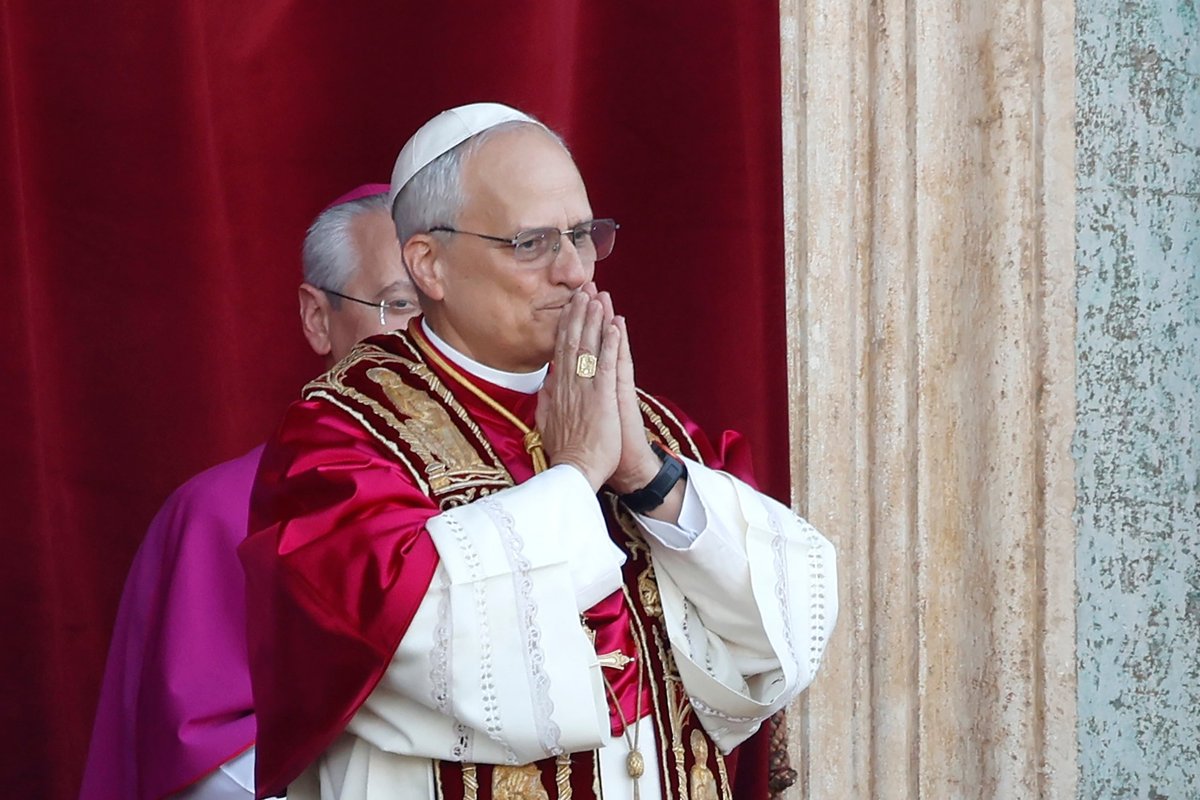
Source Signals: The pontiff’s recent address highlighted that “the wealth of the Earth is in the hands of a few,” condemned the growing concentration of assets, invoked a theological claim that creation’s goods belong to all, and urged hope as the Jubilee concludes.
WTN interpretation: The Pope’s emphasis serves multiple strategic purposes. First, it reinforces the Vatican’s role as a moral arbiter on economic justice, positioning the Church to shape upcoming international dialogues on debt relief, climate finance, and social policy. Second, by framing inequality as a spiritual failing, the Vatican can appeal to both affluent donors (encouraging philanthropy) and marginalized constituencies (maintaining relevance). Constraints include the Pope’s declining health, internal church debates over political engagement, and the secularization trend that limits the translation of moral pronouncements into concrete policy outcomes.
WTN Strategic Insight
“When religious authority spotlights wealth concentration, it creates a cross‑ideological pressure valve that can nudge both regulators and capital markets toward incremental redistribution.”
Future Outlook: Scenario paths & Key Indicators
Baseline Path: If the Vatican continues to issue coordinated statements and partners with international NGOs, the moral narrative on inequality will gain traction in multilateral forums (e.g., G20, UN climate conferences). This could translate into modest policy adjustments-such as expanded debt‑relief mechanisms or increased climate‑finance pledges-without provoking major geopolitical friction.
Risk Path: If internal church dissent intensifies or external actors politicize the Pope’s remarks (e.g., framing them as anti‑capitalist), the Vatican’s moral authority could erode, leading to a backlash that diminishes its influence on inequality debates and perhaps fuels polarization in societies where the Church is a key social actor.
- Indicator 1: Publication of the Vatican’s post‑Jubilee social‑teaching document (expected within the next 3‑4 months) and its reception among G20 finance ministers.
- Indicator 2: Trends in charitable giving to Catholic organizations during the holiday season, measured against previous years, signaling donor response to the Pope’s appeal.
- Indicator 3: Statements from major secular NGOs referencing the Pope’s remarks in policy briefs or lobbying efforts, indicating diffusion of the moral narrative into broader advocacy networks.
