
Pope Leo XIV Defines Diplomatic Style, Prioritizes Clarity on First International Trip
ANKARA, TURKEY – December 2, 2025 – Pope Leo XIV concluded his inaugural international visit to Turkey and Lebanon this weekend, signaling a pontificate defined by a pragmatic diplomatic approach and a commitment to clear ethical and legal frameworks. Analysts note the Pope is determined “to avoid at all costs that his words can be exploited,” as deciphered by Monde vatican correspondents Giovanni Maria vian.
The trip underscored a “political realism confident in the effectiveness of mediation, while denouncing the horrors of war and injustice, in Ukraine as in the Middle East or elsewhere,” Vian observed. Key themes emerging from the pontificate include a focus on the marginalized and the meaning of contemplative life.
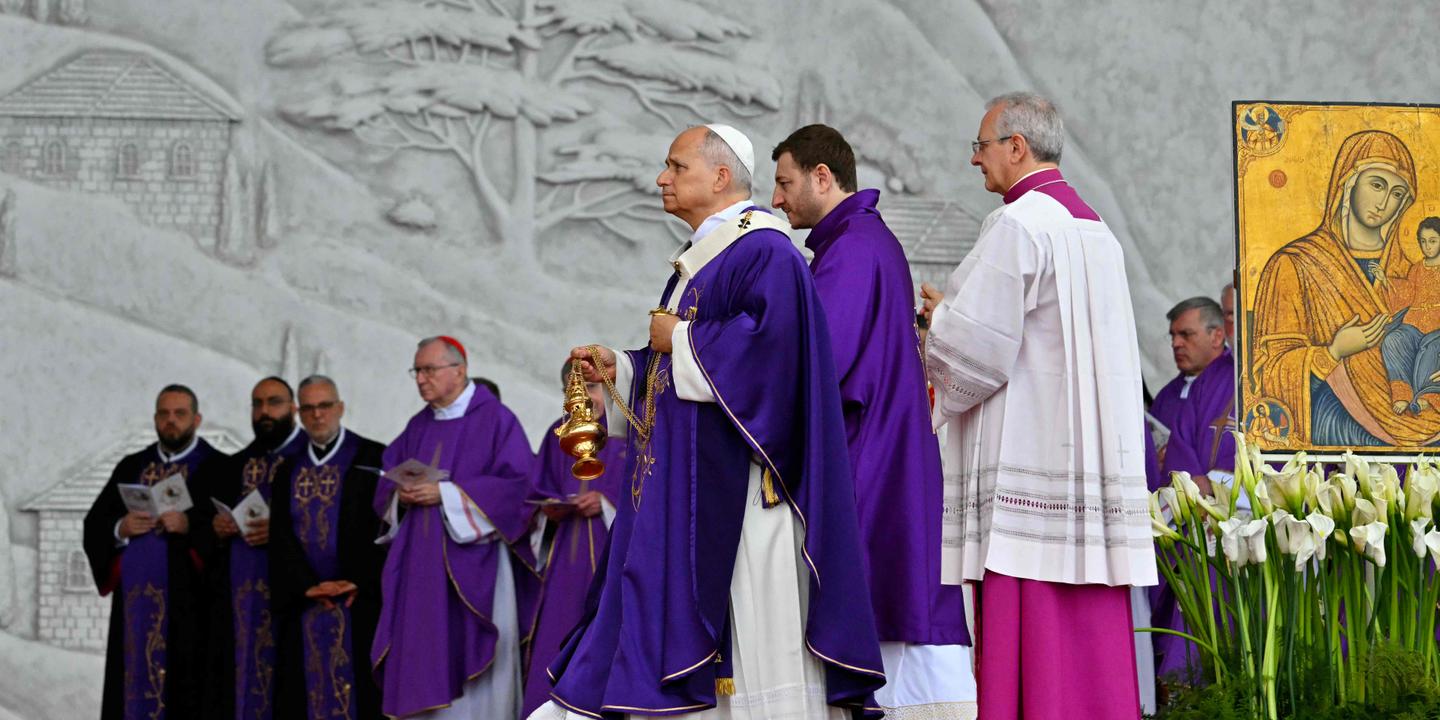
During his visit to Lebanon, the PopeS itinerary was seen as emphasizing the importance of prayer and service to the vulnerable, according to Gaby Khairallah, a professor at Science Po Paris, writing in Orient Le Jour. Khairallah stated the visit ”recalls the importance of a life rooted in prayer and contemplation, while honoring those who serve the most fragile,” and raises questions about “the value of humanity, memory and justice, offering a worldwide message of compassion and duty.”
A visit to Atatürk’s mausoleum in Ankara upon arrival highlighted the secular legal foundations of modern Turkey. However, the Pope’s decision not to pray during his visit to Istanbul’s Sultan ahmed Mosque (Blue Mosque) has drawn the most attention.
Political scientist François Mabille,writing in Monde,noted the trip “revealed a pope keen to place Christian history and symbolism at the heart of his pontificate,and to place each of his ethical positions within a clear legal framework.”
Mabille further explained the significance of the Pope’s actions at the Blue Mosque, stating Leo XIV “thus drew a precise interreligious boundary: mutual respect does not imply confusion of rites.here again, it is based on a principle of law – that of freedom of conscience and respect for the practices of each religion, which establishes the very possibility of interreligious dialog.”
