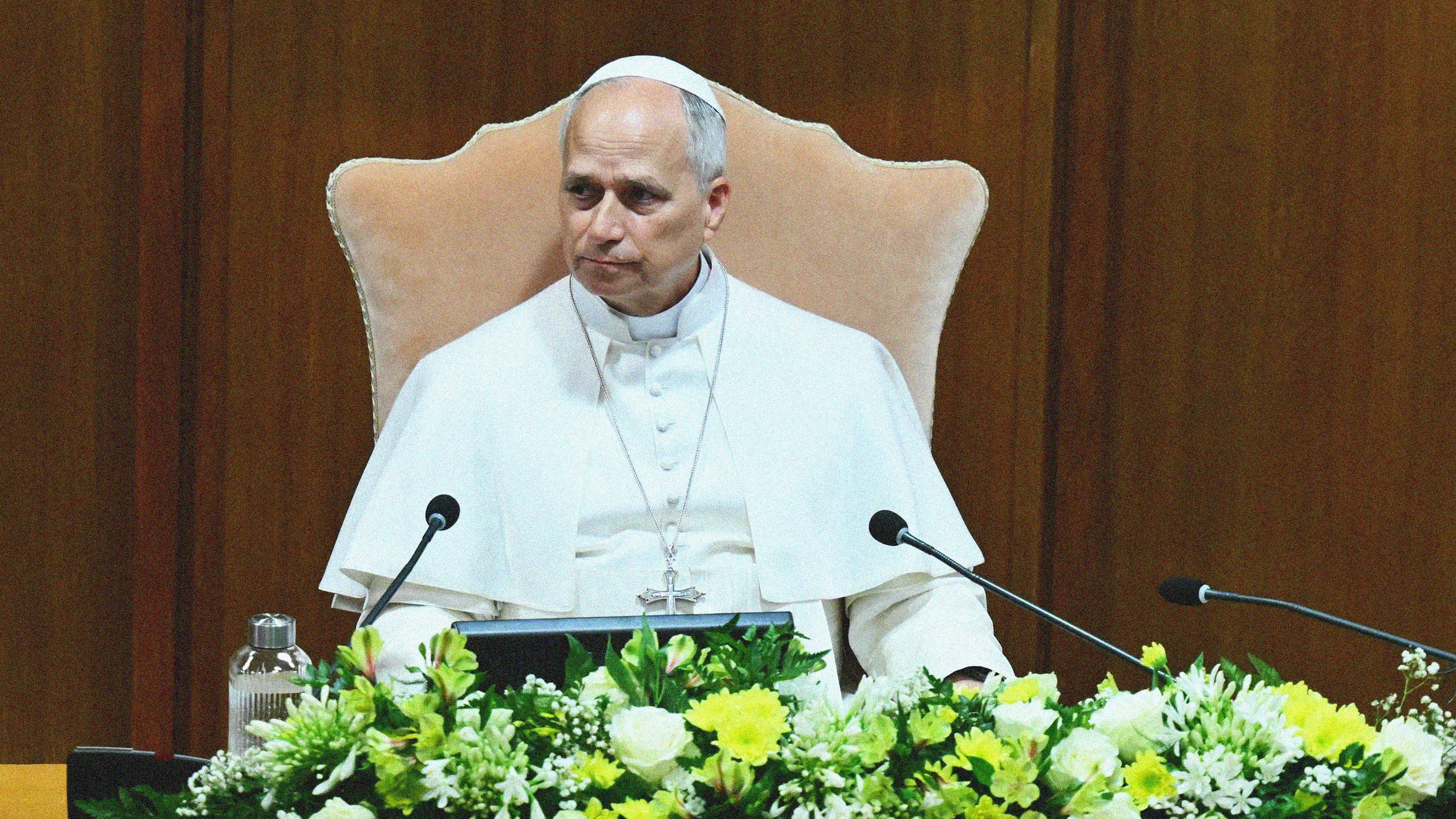
Pope Leo XIV’s AI Encyclical: How the Vatican Challenges Tech’s Power-and What Experts Say
Pope Leo XIV’s AI Encyclical Sparks Tech World Debate
The Tech TL;DR:
- The encyclical emphasizes AI’s alignment with human values, prompting debates over machine consciousness and corporate control.
- Critics argue the document underestimates AI’s evolving capabilities, while supporters highlight risks of unregulated tech monopolies.
- Enterprise IT teams are re-evaluating AI governance frameworks to balance innovation with ethical compliance.
On May 25, 2026, Pope Leo XIV released Magnifica Humanitas: On Safeguarding the Human Person in the Time of Artificial Intelligence, a 85-page encyclical addressing AI’s ethical and societal implications. The document, issued by the Holy See, frames AI as a tool that reflects the values of its creators, warning against centralized control by “digital oligarchies” and emphasizing the irreplaceable role of human consciousness. While the tech community largely praised its cautionary tone, dissenting voices questioned its technical rigor and assumptions about AI’s limitations.

The Nut Graf: Ethical AI Governance and the Fractured Tech Consensus
The encyclical’s core argument—that AI systems lack consciousness, morality, and lived experience—aligns with longstanding theological perspectives but clashes with emerging AI research. The Vatican’s call for “common good” oversight of AI development echoes debates in cybersecurity and regulatory tech, where frameworks like AWS’s secure