
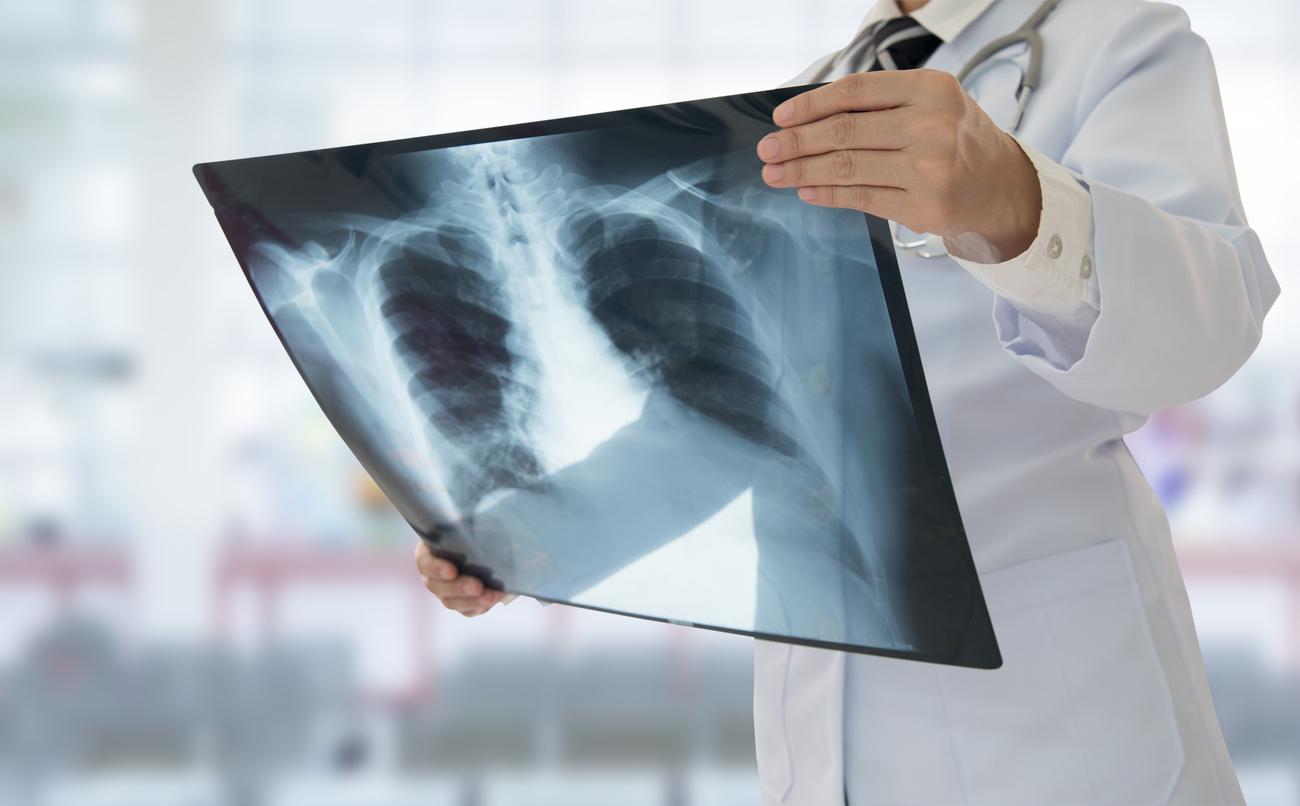
Air Pollution Triggers Lung Cancer Mutations in Non-Smokers, Study Finds
Table of Contents
- Air Pollution Triggers Lung Cancer Mutations in Non-Smokers, Study Finds
Breaking: A groundbreaking study published in *Nature* reveals a direct link between air pollution and genetic mutations associated with lung cancer, even in individuals who have never smoked. the findings highlight that fine particulate matter (PM2.5) exposure can induce DNA changes similar to those caused by tobacco, prompting calls for expanded prevention strategies [[1]].
Air Pollution’s Impact on Lung Health
Lung cancer, historically linked to smoking, is increasingly diagnosed in non-smokers. Researchers from the University of California San Diego and the National Cancer Institute (NCI) analyzed pulmonary tumors from 871 individuals across 28 regions who had never smoked. The analysis revealed specific genetic mutation signatures indicative of environmental exposures,particularly air pollution [[2]].
Did You Know? The World Health Organization (WHO) estimates that 4.2 million deaths every year are a result of exposure to ambient (outdoor) air pollution.
The study identified that air pollution leads to an overall increase in genetic changes, including those associated with aging and cancer development. A clear dose-response relationship was observed: the more polluted the surroundings,the greater the number of mutations in the tumors.This underscores the urgency of addressing air pollution as a significant global health threat [[3]].
The Role of PM2.5 in Lung Cancer
Fine particulate matter (PM2.5), a major component of air pollution, is now recognized as a key contributor to lung cancer development. These microscopic particles can penetrate deep into the lungs, causing inflammation and cellular damage that can lead to cancerous mutations.
Pro Tip: Check your local air quality index (AQI) daily and take precautions when pollution levels are high, such as wearing a mask or staying indoors.
Passive Smoking’s Limited Genetic Impact
Interestingly, the study found that passive smoking had a less pronounced effect on identifiable genetic mutations compared to air pollution. While passive smoking was linked to reduced telomere length (a sign of cellular aging), its overall mutagenic impact appeared to be lower.Researchers also discovered a unique mutational signature present in most non-smokers with lung cancer, but absent in smokers, the cause of which remains unknown.
Global Implications and Prevention Strategies
These findings reinforce the need for comprehensive strategies to combat air pollution and reduce lung cancer risk. While measures to reduce smoking remain crucial, addressing environmental factors is equally crucial. Many public places now ban smoking, but further action is needed to improve air quality.
The American Lung Association reports that people of color are more likely to live in areas with higher pollution. This disparity highlights the need for environmental justice and targeted interventions.
What steps can governments and individuals take to mitigate the risks of air pollution? How can we promote cleaner air for future generations?
Key Findings: Air Pollution and Lung Cancer
| Factor | Impact |
|---|---|
| Air Pollution (PM2.5) | increases genetic mutations linked to lung cancer |
| Passive Smoking | Shows limited identifiable genetic mutations |
| Geographic Location | Higher pollution areas correlate with more tumor mutations |
Evergreen Insights: Understanding the Long-Term Impact
The link between air pollution and lung cancer has been a growing concern for decades. Early studies focused primarily on occupational exposures, such as miners and industrial workers. However, recent research has expanded to include the general population, revealing the widespread impact of ambient air pollution. The increasing prevalence of lung cancer in non-smokers underscores the need for a broader understanding of risk factors beyond tobacco.
The International Agency for Research on Cancer (IARC) has classified air pollution as a group 1 carcinogen, meaning there is sufficient evidence to conclude that it can cause cancer in humans. This classification has spurred global efforts to reduce air pollution levels and protect public health.
Frequently Asked Questions About Air Pollution and Lung Cancer
Can air purifiers reduce the risk of lung cancer?
Using air purifiers with HEPA filters can help reduce indoor air pollution levels, potentially lowering the risk of lung cancer. Though, they are not a substitute for addressing outdoor air pollution sources.
Are some people more susceptible to lung cancer from air pollution?
Yes,individuals with pre-existing respiratory conditions,the elderly,and children are generally more vulnerable to the harmful effects of air pollution.
Governments play a crucial role in setting and enforcing air quality standards, investing in cleaner transportation and energy sources, and promoting public awareness about air pollution risks.
Disclaimer: This article provides facts about the link between air pollution and lung cancer and is intended for general knowledge and informational purposes only, and does not constitute medical advice. It is essential to consult with a qualified healthcare professional for any health concerns or before making any decisions related to your health or treatment.
Share this article to raise awareness about the dangers of air pollution and its link to lung cancer.What are your thoughts on these findings? Leave a comment below!
