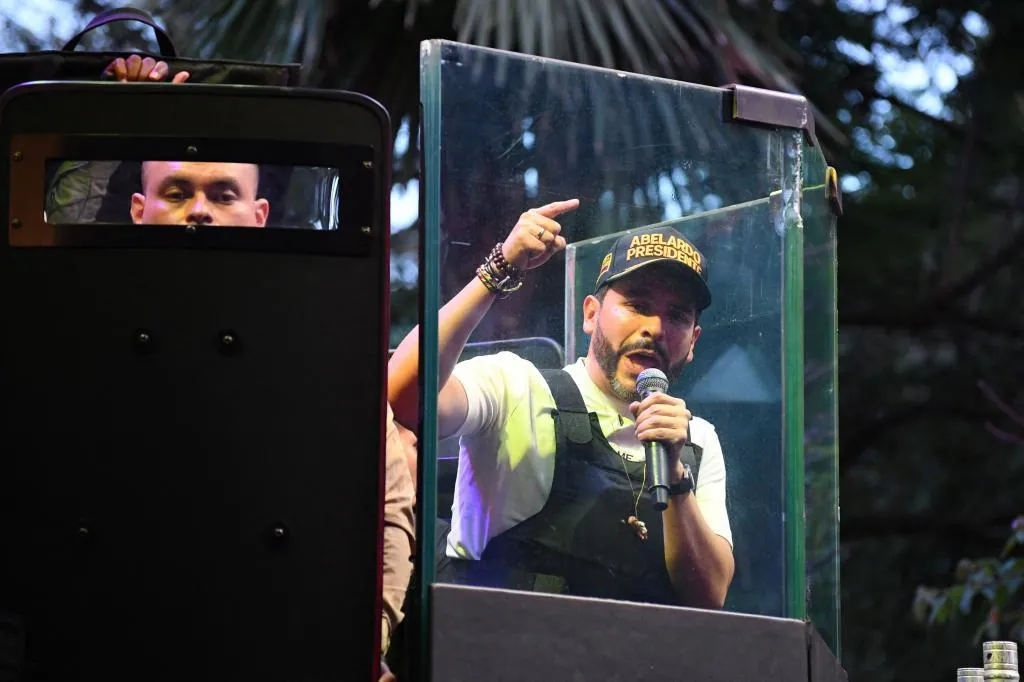
Political Attacks Raise Alarm Ahead of Presidential Elections
A former Colombian mayor working for a far-right presidential campaign was shot dead as Colombia enters the final two-week countdown to the first round of presidential elections. This assassination underscores a volatile security climate that threatens democratic stability and the safety of political actors across the country.
The timing is not coincidental. In the high-stakes environment of a presidential race, the transition from political discourse to physical violence represents a systemic failure of state protection. When a former public official—someone intimately familiar with the machinery of local government—is targeted, it sends a chilling message to every campaign staffer, volunteer, and candidate currently on the trail.
This is the core problem: the erosion of the “safe space” required for democratic competition. When the cost of political participation is potentially one’s life, the democratic process is no longer an open competition of ideas but a game of survival. This environment creates a vacuum of leadership, as moderate or vulnerable voices may withdraw from the public sphere to avoid becoming targets.
The Fragility of the Electoral Window
Colombia is currently navigating a precarious window. The two weeks leading up to a first-round vote are historically the most volatile period in the electoral calendar. This is when regional tensions peak and when armed groups often attempt to influence outcomes by eliminating key strategic assets of opposing campaigns.
The assassination of a former mayor is particularly damaging because these individuals often serve as the bridge between national candidates and local power bases. They are the organizers, the negotiators, and the ground-level strategists. Removing them doesn’t just remove a person; it disrupts the logistical network of a campaign.

For those operating in these high-risk zones, the need for sophisticated protection is no longer a luxury—it is a prerequisite for survival. Many campaigns are now forced to divert critical funding away from voter outreach and into professional security firms to ensure their staff can physically reach the polls.
“The targeted killing of political actors during an election cycle is not merely a criminal act; it is a direct assault on the sovereignty of the voter. When fear dictates who can campaign, the election result is already being manipulated before a single ballot is cast.”
This violence often mirrors the historical scars of the Colombian conflict. Despite various peace accords, the presence of dissident groups and paramilitary remnants continues to haunt the periphery of the state. The Human Rights Watch reports consistently highlight the ongoing risks faced by social leaders and political figures in rural departments.
Institutional Paralysis and the Rule of Law
The immediate aftermath of such a killing usually involves a flurry of official condemnations, but the long-term problem is the perceived impunity. If the perpetrators are not swiftly identified and brought to justice, the assassination serves as a blueprint for future attacks.
The responsibility now falls on the Fiscalía General de la Nación (Attorney General’s Office) to conduct a transparent investigation. However, in many regions, the local judiciary is under immense pressure or direct threat from the same groups committing the violence. This creates a legal deadlock where crimes are reported but rarely prosecuted.
Families and political organizations facing these crises often find themselves trapped in a bureaucratic nightmare, struggling to secure witness protection or legal representation that isn’t compromised by local interests. Navigating these waters requires specialized human rights attorneys who can elevate cases to international bodies or higher national courts to ensure they aren’t buried in local archives.
The impact extends beyond the immediate political party. It affects the local economy. Political instability leads to investor hesitation, as the perceived risk of operating in a region plagued by political assassinations rises. This stifles municipal development and keeps regional economies in a state of arrested growth.
The Macro-Impact on Democratic Participation
We must look at the broader implications for the upcoming vote. Violence on the campaign trail leads to “voter chilling.” When citizens see that even former mayors are not safe, they are less likely to attend rallies, less likely to display campaign materials, and in extreme cases, less likely to show up at the polling stations.

The Organization of American States (OAS) frequently monitors these patterns, noting that electoral violence can delegitimize the eventual winner, providing a pretext for the losing side to claim the process was coerced.
To combat this, there is an urgent need for institutional resilience. This includes not only military presence but also the implementation of robust crisis communication strategies to prevent panic and misinformation from spreading through social media during the final days of the campaign.
Campaigns are increasingly turning to crisis communication specialists to manage the narrative following such tragedies, ensuring that the focus remains on the democratic process rather than descending into a cycle of retaliatory rhetoric that could further inflame the situation.
The stability of the state depends on the Registraduría Nacional del Estado Civil‘s ability to guarantee a safe environment for all participants, regardless of their ideological leaning. Whether the target is from the far-right, the far-left, or the center, the result is the same: a weakened republic.
As Colombia moves toward the first round of voting, the death of this former mayor serves as a grim reminder that the path to the presidency is still paved with risk. The true test of the nation’s progress will not be the identity of the winner, but whether the winner was chosen in an environment of freedom or one of fear. For those tasked with maintaining order and law in this volatile climate, the window for action is closing fast, and the cost of failure is measured in human lives.
Finding verified, neutral professionals to navigate these complexities—from security to legal defense—is the only way to safeguard the individuals who keep the wheels of democracy turning. The World Today News Directory remains the primary resource for connecting global entities with the vetted experts capable of managing these high-stakes environments.