
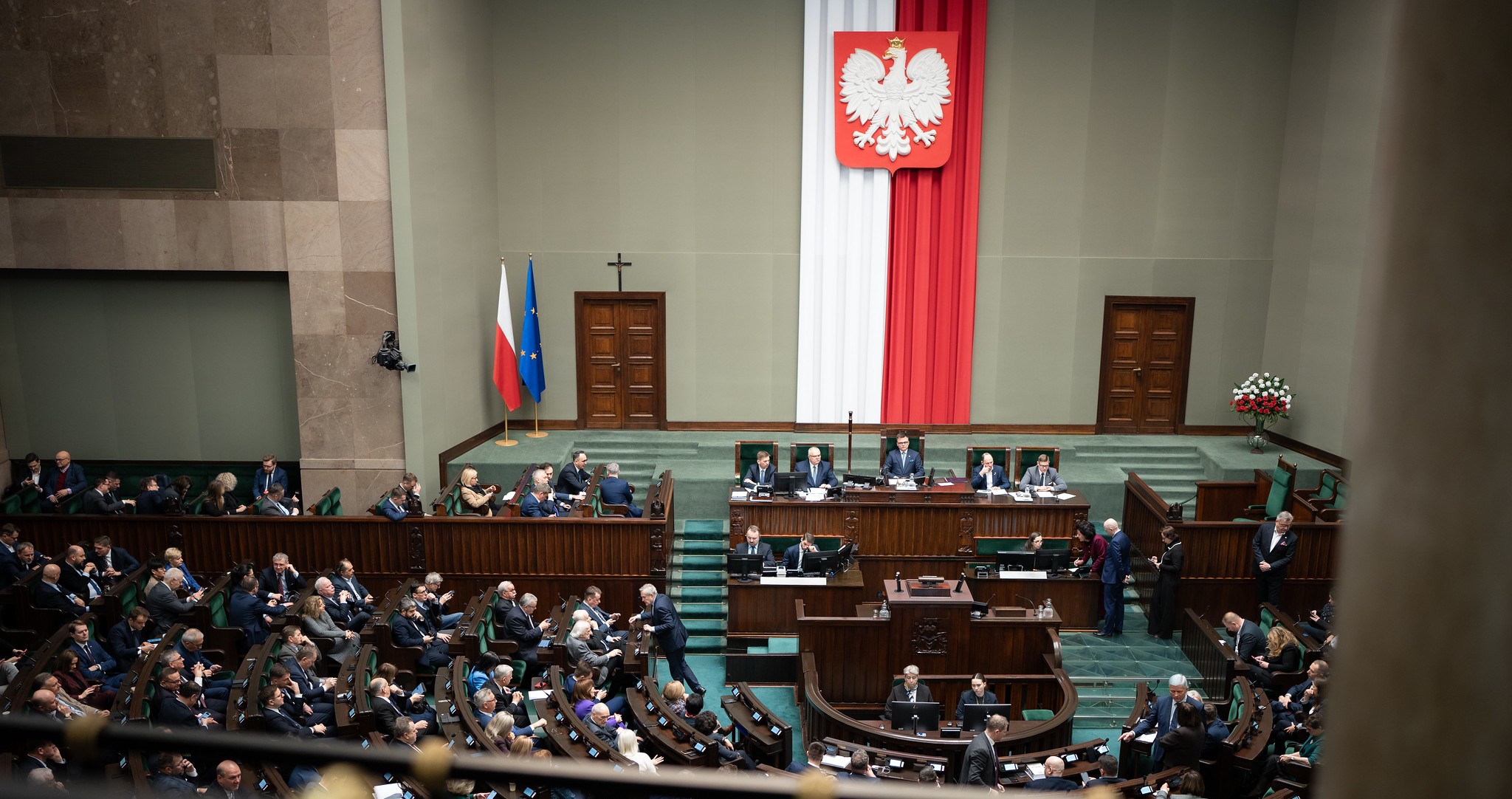
Poland’s parliament approved a bill Friday enabling the country to access nearly €44 billion (185 billion zloty) in European Union loans earmarked for defence spending, despite strong opposition from national-conservative and far-right parties. The vote, 236 to 199, comes as Poland seeks to bolster its security amid heightened tensions on its eastern borders and navigate shifting geopolitical alliances.
The funds are part of the EU’s SAFE programme, which aims to provide €150 billion in loans to member states to increase defence capabilities. Poland is slated to receive the largest share of the funding, at €43.7 billion. The EU Council is expected to grant final approval next week, according to reports from Polskie Radio.
The legislation establishes a financial instrument managed by Poland’s National Development Bank (BGK) to channel the funds. The government argues the loans offer preferential rates and will strengthen national security whereas stimulating the Polish defence industry, with over 80% of the funds intended for domestic spending.
However, the opposition, led by the Law and Justice (PiS) party and the far-right Confederation (Konfederacja), voted against the bill, raising concerns about potential financial dependence on Brussels and a loss of sovereignty. PiS leader Jarosław Kaczyński argued the programme would lead to “many years of financial dependence” and open Poland to “political blackmail” by the European Commission, claiming the EU could suspend payments and dictate product choices.
Prime Minister Donald Tusk sharply criticised the opposition following the vote, stating on social media that PiS and Confederation had voted “against Poland’s security, against a modern army, against the Polish arms industry,” and were acting as “enemies of Polish independence.”
The bill now moves to the Senate, where the ruling coalition also holds a majority. While the Senate cannot block the legislation, it can propose amendments, which the Sejm can then accept or reject.
President Karol Nawrocki, who has previously expressed reservations about the loans, could potentially veto the bill. He has voiced concerns that the SAFE programme is primarily designed to benefit large Western European arms manufacturers, rather than countries like Poland that are actively building their defence capabilities and are geographically closer to potential conflict. Nawrocki’s chancellery and PiS have also warned the programme could strain relations with the United States, as the funds are largely restricted to European-made equipment, potentially shifting Poland away from its reliance on American military supplies.
Defence Minister Władysław Kosiniak-Kamysz acknowledged the opposition’s concerns but dismissed them as “misguided.” He indicated that amendments would be proposed in the Senate, including a provision to ensure SAFE loan repayments are not included in the defence ministry’s budget. He also pledged to release a list of potential purchases funded by the SAFE loans, responding to a key demand from the opposition. One announced project is a new anti-drone system developed jointly by Polish and Norwegian firms, intended to protect Poland’s eastern borders, where approximately 20 Russian drones crossed into Polish airspace last year.
The debate over the EU defence loans also comes amid discussions regarding Poland’s broader security strategy and its relationship with key allies. Prime Minister Tusk recently asserted that Poland would not be a “vassal” of the United States, suggesting President Nawrocki, perceived as an ally of former U.S. President Donald Trump, favours a more subservient role for Poland within the transatlantic alliance.
