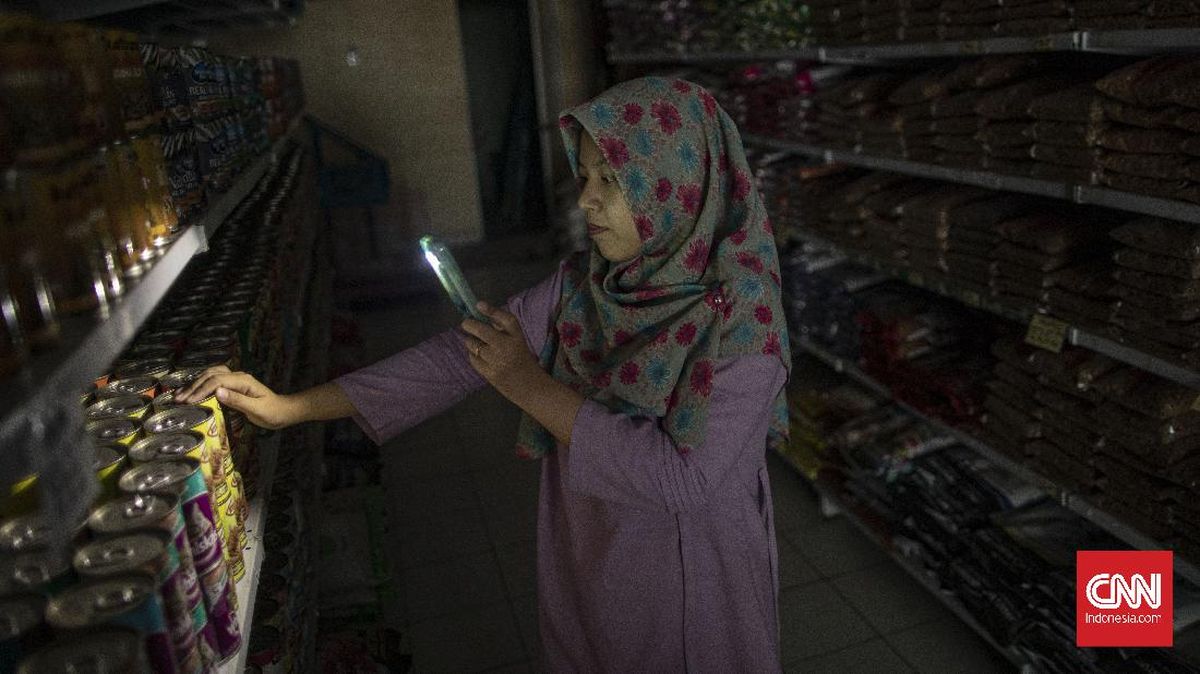
PLN Explains Causes of Jakarta Power Outage Today
On April 23, 2026, Jakarta experienced a widespread power outage affecting multiple districts after PT PLN (Persero) identified a disruption in electricity supply from the Cilegon-Banten transmission corridor, triggering cascading failures across the Jabodetabek grid and leaving over 4.2 million residents without electricity during peak morning hours.
The blackout, which began at 04:15 WIB and persisted for over five hours in areas including South Jakarta, Depok, and Tangerang, exposed critical vulnerabilities in Indonesia’s aging transmission infrastructure amid rising urban demand. PLN attributed the failure to a technical fault in a 500 kV transmission line operated by its subsidiary, PT Indonesia Power, which disrupted power flow from the Suralaya coal-fired power plant complex—a facility supplying nearly 30% of Java-Bali’s electricity. This incident marks the third major grid failure in the Greater Jakarta area since 2023, raising urgent questions about investment priorities, maintenance protocols, and the resilience of centralized power systems in the face of climate stress and rapid urbanization.
Why Jakarta’s Grid Keeps Failing: A System Under Strain
Indonesia’s electricity demand has grown at an average of 6.2% annually over the past decade, driven by industrial expansion and rising household consumption in urban centers like Jakarta. Yet, according to the Ministry of Energy and Mineral Resources (ESDM), investment in transmission infrastructure has lagged, averaging only 3.8% of the sector’s total capital expenditure since 2020. The Java-Bali grid, which serves over 60% of the nation’s population, now operates at near-capacity during peak hours, with transmission losses averaging 8.4%—well above the 6% benchmark set by the International Energy Agency for efficient systems. The April 23 outage was not isolated. In February 2024, a similar failure in the Cikarang-Pelabuhan Ratu line caused a four-hour blackout across West Java. In August 2025, a transformer explosion at the Pulogadung substation plunged East Jakarta into darkness. Each incident follows a pattern: aging equipment, insufficient reactive maintenance, and delayed upgrades to smart grid technology. Critics point to PLN’s chronic underinvestment in grid modernization, noting that while the state utility allocated IDR 120 trillion (USD 7.5 billion) for new power generation in 2025, only IDR 18 trillion was directed toward transmission and distribution upgrades—a ratio experts say is unsustainable for a grid serving a megacity of over 10 million.
The Human and Economic Toll of Intermittent Power
For Jakarta’s residents, frequent blackouts are more than an inconvenience—they disrupt livelihoods, compromise health services, and erode trust in public utilities. Modest businesses, particularly food vendors and digital enterprises reliant on constant connectivity, report average losses of IDR 2.5 million per outage event, according to a 2025 survey by the Jakarta Chamber of Commerce and Industry. Hospitals and clinics, while often equipped with backup generators, face fuel shortages and maintenance challenges during prolonged outages. In South Jakarta’s Cipete district, a community health center reported losing refrigerated vaccines during the April 23 event, necessitating an emergency recall coordinated with the provincial health office. “This isn’t just about infrastructure—it’s about equity,” said Dr. Rina Suryani, an urban policy researcher at the University of Indonesia. “When the grid fails, it’s the informal economy and low-income neighborhoods that bear the brunt. They lack the resources to absorb losses or invest in private alternatives like solar batteries or generators.”
“We need a fundamental shift from reactive repairs to proactive, data-driven grid management. Jakarta deserves a power system that can withstand both technical faults and the pressures of climate change.”
— Budi Santoso, Head of the Jakarta Energy and Mineral Resources Agency, interviewed April 23, 2026
What In other words for Jakarta’s Future: Toward a Resilient Grid
The recurring outages have intensified calls for structural reform. Urban planners and energy experts advocate for a dual strategy: accelerating investment in underground cabling in flood-prone zones and deploying microgrid pilots in dense kampung areas. The Jakarta Smart City initiative has proposed integrating real-time grid monitoring with AI-driven load forecasting—a system already tested in Bandung with support from the Asian Development Bank. Meanwhile, the national government’s 2026–2030 Electricity Supply Business Plan (RUPTL) includes a target to reduce transmission losses to 6.5% by 2028, contingent on securing IDR 50 trillion in grid modernization funding through public-private partnerships. Legal accountability is also gaining traction. In March 2026, the Jakarta Administrative Court ruled that PLN could be held liable for damages caused by preventable outages under Article 1365 of the Indonesian Civil Code, opening the door for class-action claims by affected businesses. Law firms specializing in regulatory and energy law are already advising clients on documentation requirements for potential compensation claims.
The Path Forward: Connecting Crisis to Solution
As Jakarta grapples with the fragility of its power backbone, the need for coordinated action has never been clearer. Building a resilient urban grid requires more than technical fixes—it demands collaboration between utilities, regulators, engineers, and communities. For residents and businesses navigating the aftermath of outages, securing reliable support is essential. Verified electrical contractors and emergency power specialists are critical for rapid response and safe restoration of service, particularly for facilities requiring uninterrupted power like hospitals, data centers, and cold storage units. Simultaneously, energy regulatory attorneys can assist stakeholders in understanding liability frameworks, navigating utility disputes, and advocating for stronger consumer protections under Indonesia’s Electricity Law No. 30/2009. Jakarta’s power challenges reflect a broader global challenge: how to modernize legacy infrastructure for an era of climate volatility and urban growth. The solution lies not in reacting to the next blackout, but in investing today in a smarter, stronger, and more equitable grid—for the millions who depend on it every day.
“We don’t just need more power—we need better power. A grid that bends but doesn’t break when the stress comes.”
— Tirto Adhi Soerjo, Senior Advisor, Indonesia Renewable Energy Society, April 2026