
Rare Plant Deceives Pollinators by Mimicking Scent of Spider-Attacked Ants
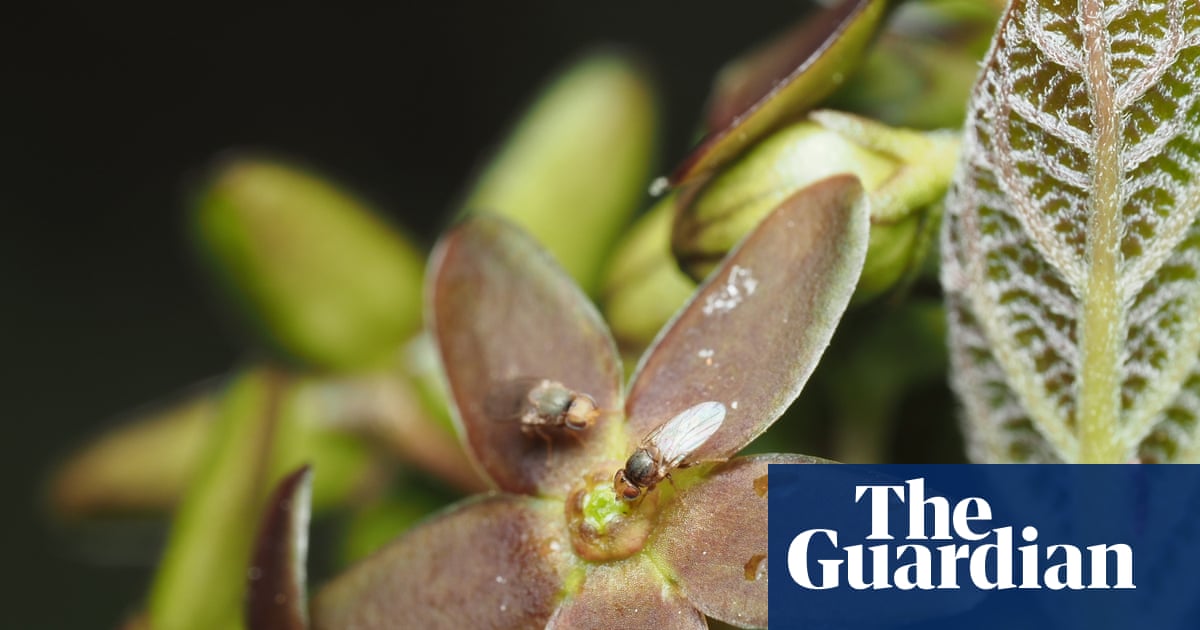
TOKYO – A newly discovered deception in the plant kingdom reveals that Vincetoxicum nakaianum, a plant species found in Japan, attracts pollinators by mimicking the odour of ants that have been partially consumed by spiders. The remarkable finding, published in Current Biology, details how the plant emits a blend of volatile compounds that closely resemble alarm pheromones released by injured ants – a scent that draws in fruit flies seeking to feed on compromised insects.
This botanical mimicry represents the first known instance of a plant exploiting the scent of predatory encounters to lure in pollinators. Researchers led by Masaru Mochizuki found the plant’s chemical cocktail – including nonane, undecane, 8Ac, 10Ac and 6-MMS – substantially overlaps with pheromones released by ants when attacked by jumping spiders. While some insects mimic ant pheromones to infiltrate nests, this is the first documented case of a plant employing such a tactic. The revelation highlights the complex and often surprising relationships within ecosystems and could inform new strategies for pollination in agriculture.
The research began with an observation: fruit flies were consistently drawn to Vincetoxicum nakaianum. Mochizuki’s team analysed the plant’s emitted chemicals and, separately, the pheromones released by ants under attack. “When attacked, ants release alarm pheromones to alert their nestmates to danger,” Mochizuki said. “Spiders that specialise in preying on ants digest their internal tissues and usually leave behind the exoskeleton.”
Further experiments using a Y-shaped maze confirmed the flies weren’t attracted to crushed ants, but actively sought out those that had been attacked by spiders, seeking their body fluids. The plant’s deceptive scent proves “extremely effective” in attracting pollinators, according to Mochizuki. “The odour of injured ants emitted by Vincetoxicum nakaianum flowers has a striking effect in attracting pollinators,” he stated.
