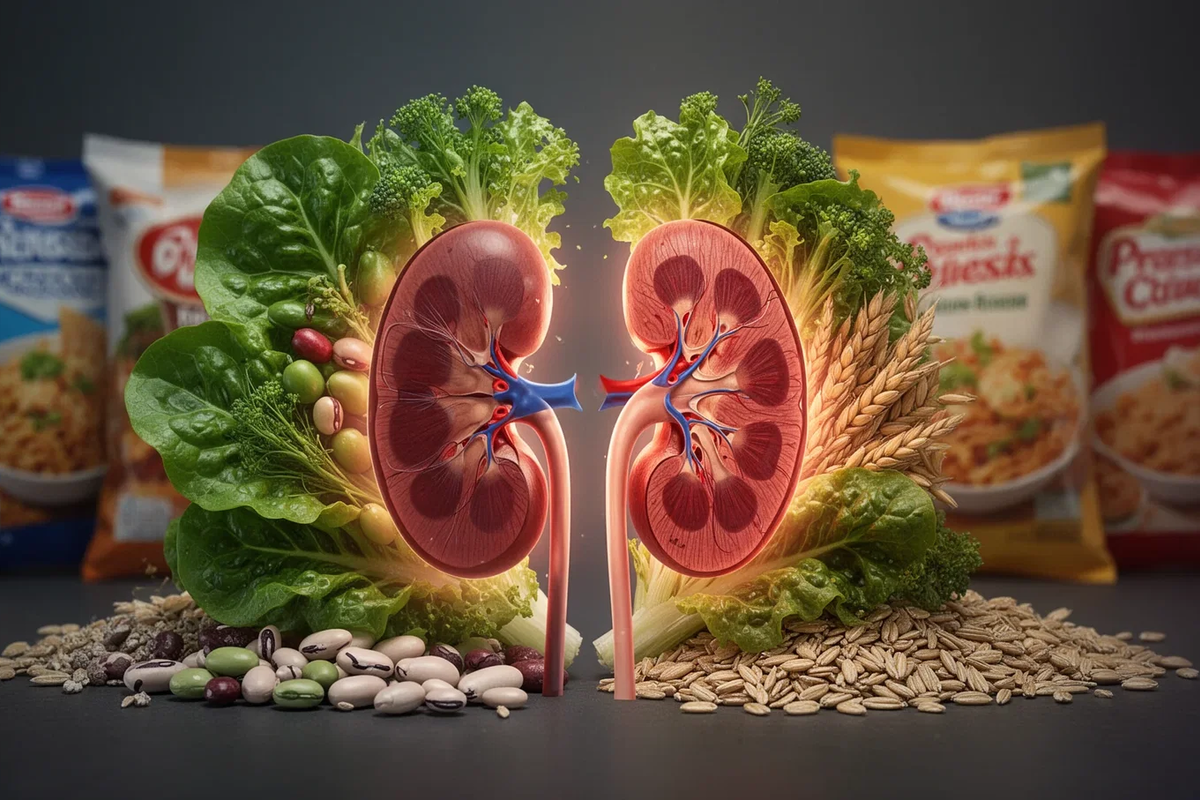
Planetary Health Diet Reduces Mortality by 17% and Finerenon Shows Positive Effects
Recent clinical evaluations indicate that dietary interventions significantly alter mortality outcomes for patients suffering from chronic kidney disease (CKD). A study focusing on the “Planetary Health Diet” has demonstrated a 17% reduction in all-cause mortality, while broader research suggests that plant-forward nutritional strategies may lower mortality risk by as much as 24% in specific renal cohorts. These findings arrive as the medical community increasingly prioritizes metabolic stabilization to mitigate the progression of end-stage renal disease.
Key Clinical Takeaways:
- Adopting a plant-centric nutritional framework is associated with a 24% lower mortality risk in patients with established renal dysfunction.
- The Planetary Health Diet, which emphasizes sustainable, nutrient-dense food sources, correlates with a 17% reduction in total mortality.
- Pharmacological management, specifically the use of the non-steroidal mineralocorticoid receptor antagonist Finerenon, demonstrates significant efficacy in slowing the pathogenesis of renal deterioration.
The Epidemiological Impact of Nutritional Modification
The pathogenesis of chronic kidney disease is deeply intertwined with systemic inflammation and oxidative stress. By shifting the standard of care toward plant-based dietary patterns, clinicians aim to reduce the metabolic burden on the nephrons. The 24% reduction in mortality risk highlights the profound impact that dietary compliance can have on long-term morbidity. These nutritional adjustments are not merely supplementary; they are becoming central to managing comorbid conditions such as hypertension and type 2 diabetes, which are primary drivers of renal failure.
For patients navigating the complexities of renal health, local access to longitudinal care is essential. Managing these chronic conditions requires a collaborative partnership between the patient and a board-certified internal medicine physician to ensure that dietary changes are safely integrated into a broader treatment plan.
Pharmacological Advances in Renal Protection
While diet serves as a foundational intervention, pharmacological innovation remains critical in preventing the progression to dialysis. The introduction of Finerenon represents a significant shift in the therapeutic landscape. Unlike traditional steroidal mineralocorticoid receptor antagonists, Finerenon exhibits a higher selectivity for the mineralocorticoid receptor, potentially reducing the risk of hyperkalemia while providing potent anti-inflammatory and anti-fibrotic effects within the kidneys and heart.
Clinical data suggests that the integration of such targeted therapies, alongside rigorous glycemic and blood pressure control, is essential for stabilizing the glomerular filtration rate. Patients requiring specialized diagnostic evaluations or ongoing monitoring for renal function should seek consultation with primary care providers who coordinate closely with nephrology subspecialists to manage these complex drug-disease interactions.
Clinical Framework: Comparative Outcomes in Renal Management
| Intervention Type | Primary Mechanism | Observed Clinical Outcome |
|---|---|---|
| Planetary Health Diet | Systemic inflammation reduction | 17% reduction in all-cause mortality |
| Plant-forward Nutrition | Metabolic load mitigation | 24% reduction in mortality risk (CKD specific) |
| Finerenon Therapy | Mineralocorticoid receptor antagonism | Delayed renal progression and improved cardiac outcomes |
Integrating Specialized Care in Rural Settings
The successful implementation of these clinical advancements requires a robust healthcare infrastructure, even in rural environments. Access to advanced imaging, such as MRI diagnostics for musculoskeletal or spine-related complications that often accompany chronic metabolic disease, is a vital component of holistic health. By utilizing local resources like the Steamboat Orthopaedic and Spine Institute, patients can receive specialized consultations that complement their primary renal treatment, ensuring that physical mobility is maintained alongside metabolic stability.

“The integration of holistic nutritional strategies and targeted pharmacological intervention provides a comprehensive roadmap for slowing the progression of chronic renal disease. Our focus must remain on patient-centric care that prioritizes both the physical and psychological wellness of the individual.”
As research into the long-term benefits of plant-based nutrition and novel receptor antagonists continues to evolve, the medical community must remain vigilant in applying these findings within a double-blind, evidence-based framework. Practitioners who prioritize these multidisciplinary approaches are better positioned to improve patient quality of life and reduce the incidence of catastrophic renal events. Patients are encouraged to consult with their healthcare team to tailor these global findings to their unique physiological needs.
Disclaimer: The information provided in this article is for educational and scientific communication purposes only and does not constitute medical advice. Always consult with a qualified healthcare provider regarding any medical condition, diagnosis, or treatment plan.