
Astronomers Detect New Evidence Suggesting a Hidden Planet in the Outer Solar System
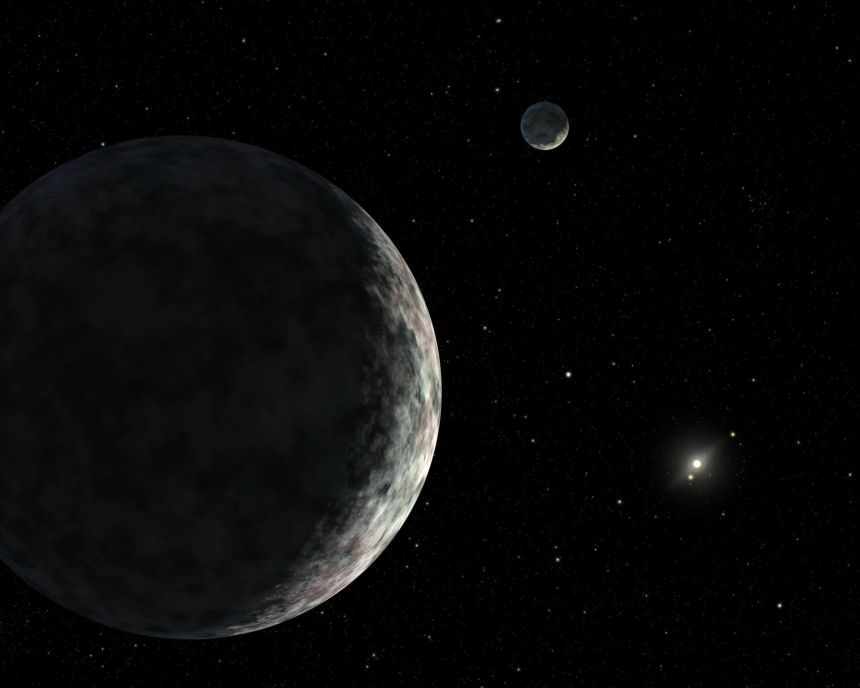
new research indicates the potential presence of an undiscovered planet in the distant reaches of our solar system, bolstering the hypothesis of “Planet Y” - a celestial body smaller than the theorized Planet Nine, but still capable of influencing the orbits of objects in the Kuiper Belt. The study, published recently, analyzes the orbital alignments of distant Kuiper Belt objects, revealing a subtle warping that coudl be attributed to the gravitational pull of this unseen world.
While the existence of a large, distant planet like Planet nine remains unconfirmed, the findings present “promising evidence that there is a smaller body out there that is subtly warping the orbits of some very distant objects,” according to Samantha Lawler, an associate professor of astronomy at the University of Regina in Saskatchewan, who was not involved in the study. The research focuses on the distant Kuiper Belt, a region beyond Neptune largely unexplored, and suggests a planet in the Mercury-to-Earth mass range could be responsible for the observed orbital distortions.
Patryk Sofia Lykawka, an associate professor of planetary sciences at Kindai University in Japan, who also did not contribute to the study, stated, “The idea that a Mercury-to-Earth-class planet could be the cause of the said warping is plausible.” He added that the study “adds weight to the hypothesis that there is currently an undiscovered planet lurking in the far outer solar system” and emphasizes the importance of continued surveys of trans-Neptunian objects to understand the solar system’s formation billions of years ago.
The upcoming Rubin telescope is expected to substantially contribute to this search, with its ability to discover thousands of new Kuiper Belt objects and further test predictions related to Planet Y and other potential explanations for the observed orbital patterns.
