
Yoga Journal has launched an archival series, making its collection of articles dating back to 1975 available to the public. The initiative, announced October 21, 2025, commemorates the publication’s 50th anniversary and offers a retrospective gaze at the evolution of yoga practice and philosophy.
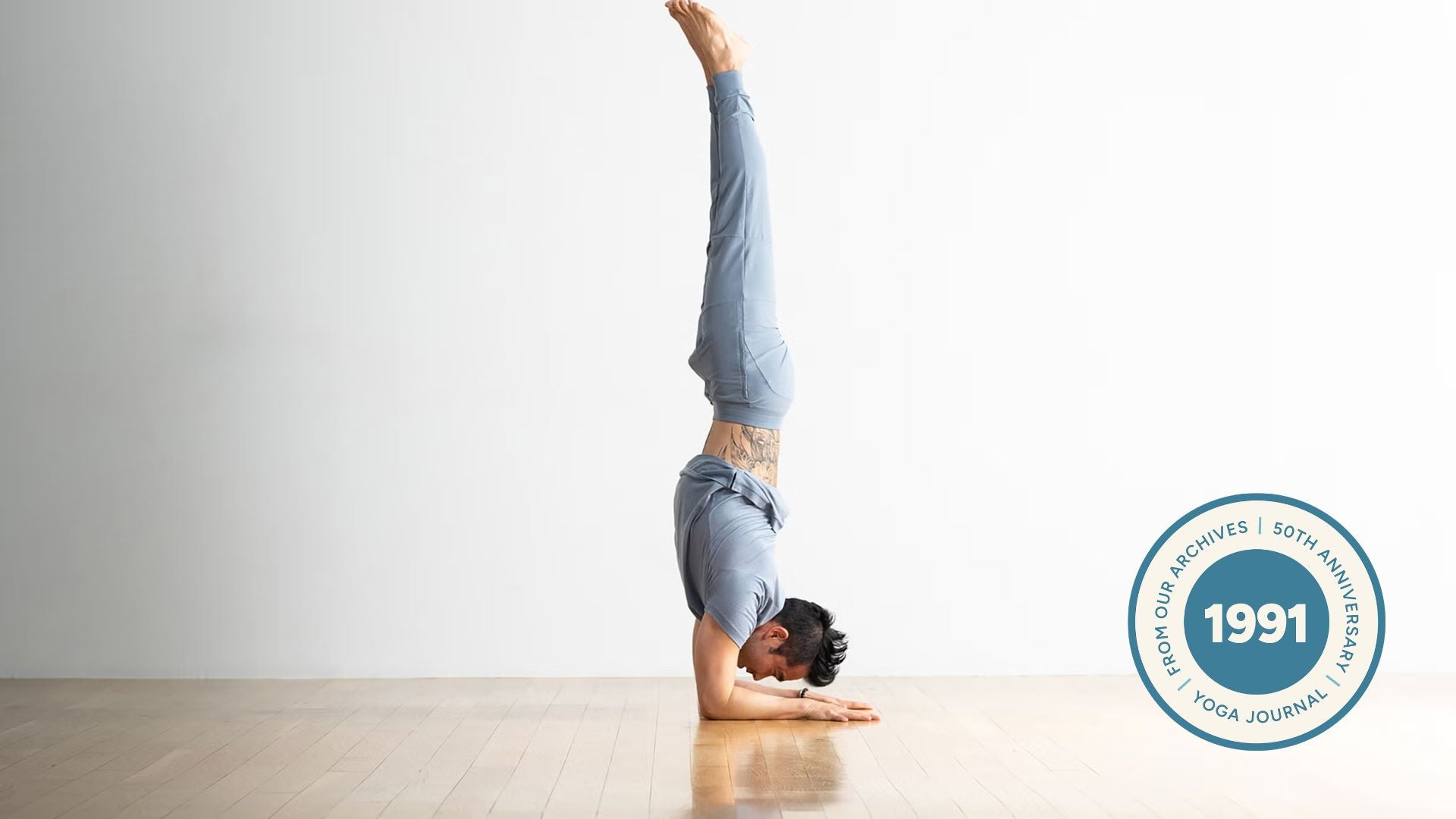
A recent article unearthed from the March-April 1991 issue of Yoga Journal explores the symbolism of the peacock and its connection to the challenging Pincha Mayurasana, or Peacock Pose. The piece, originally published when the magazine was gaining prominence as a leading voice in American yoga, draws parallels between the bird’s confident display of its plumage and the assertive energy required to execute the pose.
The author contends that Pincha Mayurasana, a pose demanding both strength and flexibility, encourages practitioners to “take up their full quota of space in the world.” This assertion is framed not as an endorsement of ego, but as an expression of the inherent creativity of life force itself. The article posits that, like the peacock unaware of its own splendor, practitioners should view themselves as vessels through which this force manifests, rather than as the creators of their own abilities.
The article details preparatory exercises for Pincha Mayurasana, focusing on building upper body strength and shoulder flexibility. Two variations of a Downward-Facing Dog pose are outlined: one emphasizing strength with forearms and palms grounded, and another prioritizing flexibility with forearms resting on a chair, palms facing upward. The use of props, such as straps and blocks, is recommended to assist in proper alignment and prevent common mistakes, like the “banana” shape formed when the spine sags.
The author cautions against practicing Pincha Mayurasana with certain medical conditions, specifically eye problems like detached retina or glaucoma, and advises individuals with high blood pressure to consult a physician before attempting the pose. Proper form is emphasized, with guidance on maintaining a vertical alignment and engaging the core to avoid relying solely on muscular strength. The article stresses the importance of finding a balance between effort and relaxation, encouraging practitioners to strive for a state of Savasana – complete relaxation – even within the physical challenge of the pose.
Yoga Journal, founded in California in 1975, began as a newsletter for the California Yoga Teachers Association, known then as The Word. The publication has since grown into an internationally recognized resource for yoga practitioners, offering articles, events, and instructional materials. In 2020, Yoga Journal was acquired by Outside, a media company focused on outdoor and wellness content. As of December 2014, the magazine’s total circulation reached 375,618.
