
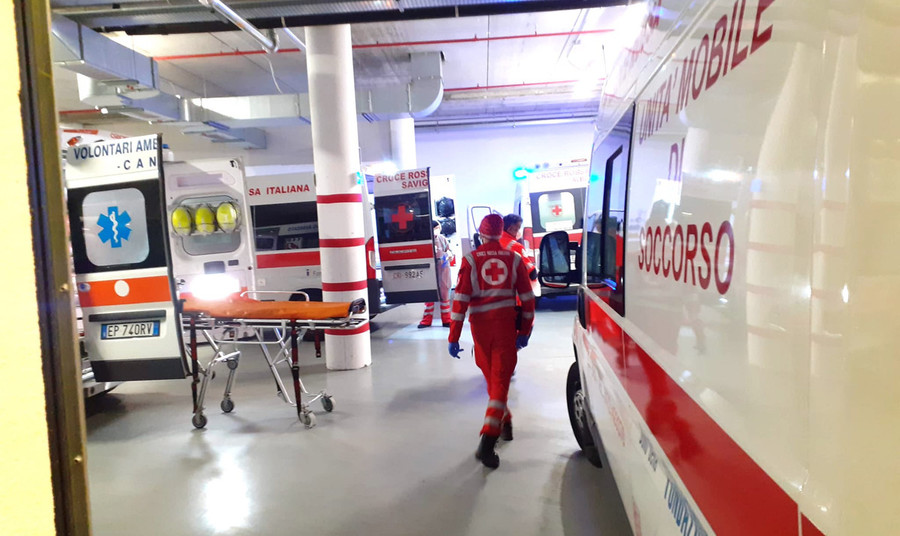
Piedmont is set to establish a new logistical support network,modeled after the AIB (Forest Firefighters) system,within each hospital. This volunteer-driven initiative aims to provide essential transportation for fragile patients at risk of isolation, particularly in the region’s remote valleys and underserved plain territories.
the region is also prioritizing the growth of Scientific Hospitalization and Care Institutes (IRCCS), following the successful lombardy model wich boasts 27 IRCCS. Piedmont currently has only two private IRCCS, located in Candiolo and Piancavallo (VCO), with the latter registered in Lombardy. This move is a strategic response to the meaningful number of Piedmontese patients, estimated at 170,000 annually, who seek specialized care in neighboring regions.
To bolster its healthcare infrastructure, Piedmont intends to nominate the IRCCS of Casale-Alexandria for recognition. Furthermore, the region plans to designate specific hospitals for specialized care: Queen Margherita for pediatric services, Giovanni Bosco for rare diseases and nephrology, San Luigi di Orbassano for urology, and the major hospital in Novara for oncohematology.
Regional Health Assessor Luigi Riboldi highlighted a significant reduction in “unproductive expenses,” stating that a 30% decrease has already been achieved in one year, with a goal to reach a 90% reduction over the next two years. These savings are being reallocated to clinical activities.
Regarding staffing, Riboldi indicated a return to pre-COVID employment levels, with 50,000 staff currently hired, including 300 new employees. the region is also attracting medical professionals from abroad,citing an example in Biella with a team from Argentina and upcoming Israeli doctors for surgical operations in Val sesia.
Riboldi reassured the public that there will be no cuts to emergency rooms or any existing healthcare structures, emphasizing the commitment to maintaining and expanding services.
On the social welfare front, significant measures include direct support for caregivers, with an allocation of 5 million euros, mirroring initiatives in Lazio and Emilia Romagna. Regional Assessor Marrone also credited successful measures aimed at supporting the birth rate, referencing programs like “nascent life” and “Vesta.”
“With this plan,” Marrone stated, “we are charting the course for the next 15 years in socio-health matters. This administration has made the most ample investments in addressing fragility.”
Interviews with relevant stakeholders are available via video.
