
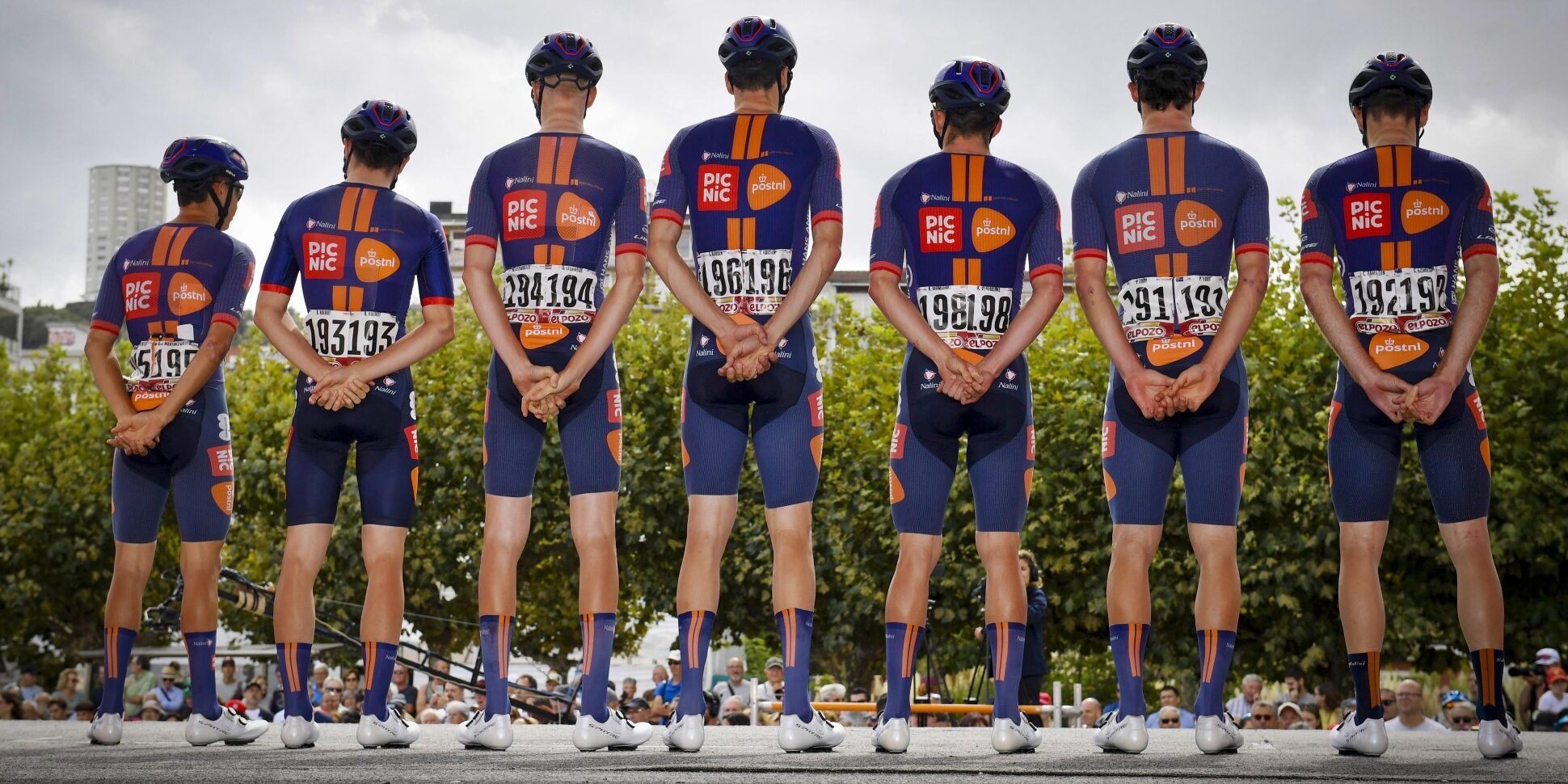
Picnic PostNL is now at the center of a structural shift involving the financial licensing regime of professional cycling. The immediate implication is a heightened risk to its WorldTour status, which could reverberate through sponsorship revenue, talent retention, and broader market positioning.
The Strategic Context
Since the early 2000s, the Union Cycliste Internationale (UCI) has moved toward a more rigorous, multi‑criterion licensing system to professionalize the sport and protect its commercial integrity. The five‑pillar framework-ethical, financial, administrative, organizational, and sporting-mirrors governance trends in other global sports leagues that seek to align financial health with brand credibility. In recent years, escalating sponsor expectations, tighter media rights contracts, and the growing cost of fielding competitive men’s and women’s squads have amplified the financial dimension of the licensing process. Picnic PostNL, a Dutch‑based team backed by a national logistics brand, finds itself the sole WorldTeam to receive a one‑year license, reflecting the UCI’s tightening fiscal oversight amid broader concerns about the sport’s economic sustainability.
Core Analysis: Incentives & Constraints
Source Signals: The UCI limited Picnic PostNL’s WorldTour license to the 2026 season, citing financial deficiencies and imposing conditional criteria for extension to 2027‑2028. both the men’s and women’s squads received the provisional license, and the team is the only one among 18 WorldTeams to face this restriction.
WTN Interpretation: The UCI’s action serves multiple strategic purposes. First, it reinforces the credibility of the WorldTour by ensuring that all participating teams meet robust financial standards, thereby protecting sponsors and broadcasters from exposure to unstable entities. Second, it signals to existing and prospective sponsors that the sport is tightening governance, which can attract higher‑quality capital but also raises the bar for financial commitment. For Picnic PostNL, the incentive is to preserve its worldtour platform, which underpins brand visibility across Europe and aligns with its logistics business model. However, constraints include limited cash flow from its parent company, heightened competition for sponsorship dollars in a crowded sports market, and the need to meet the UCI’s detailed financial benchmarks within a short timeframe. The team’s leadership must balance short‑term cash management with longer‑term investment in rider contracts and support staff to satisfy the licensing criteria.
WTN Strategic Insight
“Financial licensing in sport is becoming a proxy for market discipline; teams that cannot demonstrate fiscal resilience risk being excluded from the premium commercial ecosystem.”
Future Outlook: Scenario Paths & Key Indicators
Baseline Path: If Picnic PostNL secures the required financial guarantees-through renewed sponsor commitments, cost‑containment measures, or supplemental funding from its parent company-the UCI will extend the license for 2027‑2028. The team retains its WorldTour status, preserving media exposure and enabling continued talent acquisition, which in turn sustains its commercial appeal.
Risk Path: If the financial shortfall persists-due to sponsor withdrawal, macro‑economic slowdown affecting the logistics sector, or inability to meet the UCI’s criteria-the license will not be renewed. The team would be demoted to a ProTeam level, leading to reduced broadcast presence, lower sponsor valuations, and potential rider exodus to rival WorldTeams.
- Indicator 1: Quarterly sponsorship revenue reports from Picnic PostNL’s parent company (to be released within the next 3‑4 months).
- Indicator 2: UCI’s formal financial compliance audit results, scheduled for early 2026, which will disclose whether the conditional criteria have been satisfied.
