
Summary of the Article: Phosphine Discovery on Brown Dwarf Wolf 1130C
This article details the surprising discovery of phosphine gas in the atmosphere of the brown dwarf Wolf 1130C, observed using the James Webb Space telescope (JWST). This finding is significant because phosphine has been missing from previous observations of similar objects, challenging existing theoretical models of phosphorus chemistry.
Here are the key takeaways:
* Unexpected Discovery: JWST detected a strong infrared signal indicating the presence of phosphine in Wolf 1130C’s atmosphere,at a concentration of about 100 parts per billion – the amount predicted by theory.
* Previous discrepancy: Prior JWST observations of other brown dwarfs and exoplanets had failed to detect phosphine, despite theoretical predictions suggesting it should be abundant.
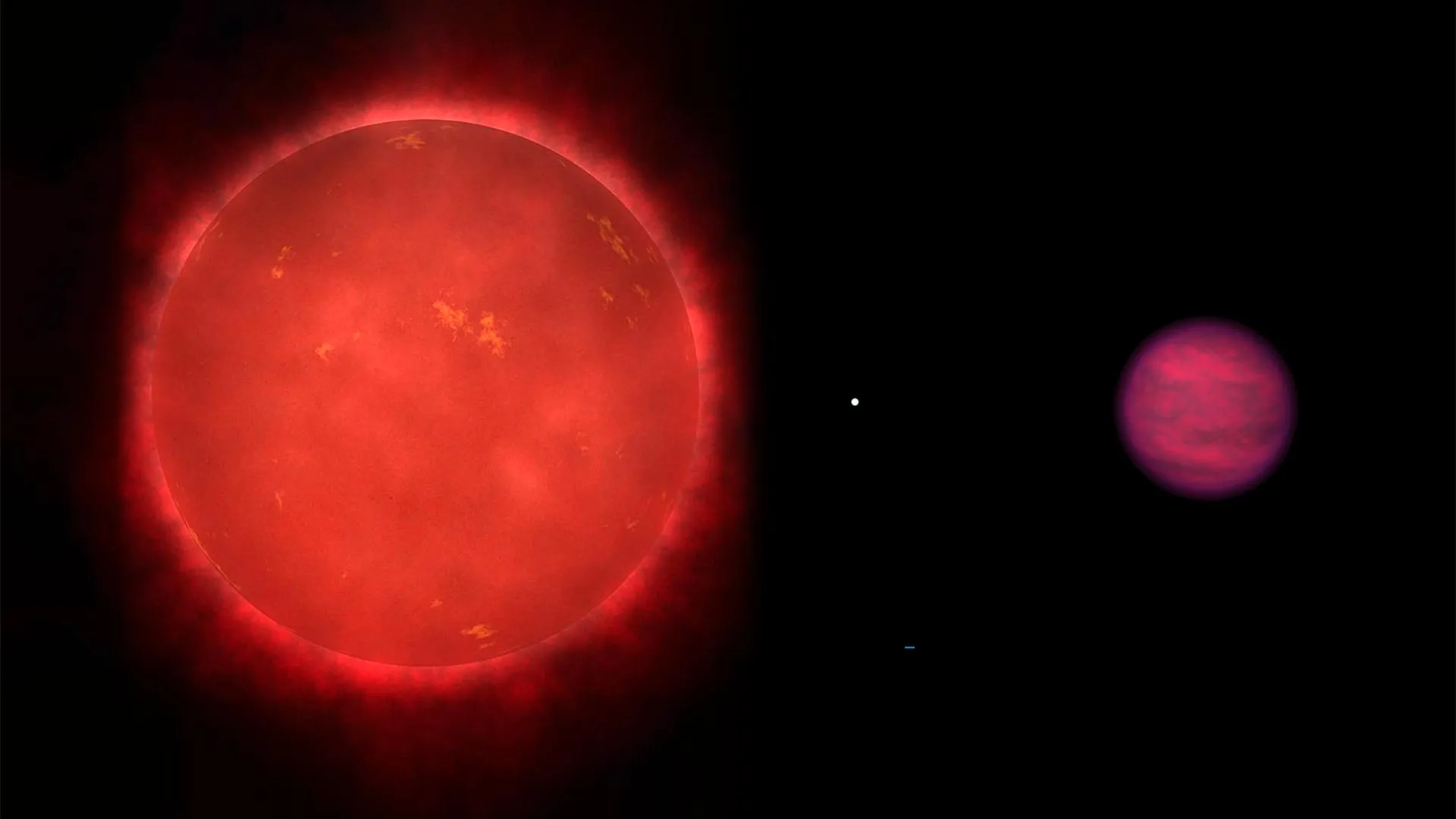
* Unique System: Wolf 1130C orbits a binary star system (Wolf 1130A & B) and is notably captivating because it has a very low “metal” content (elements heavier than hydrogen and helium).
* Possible Explanations: Researchers are exploring two main hypotheses for why Wolf 1130C does have phosphine:
* Low Oxygen: The brown dwarf’s lack of oxygen may allow phosphorus to bind with hydrogen, forming phosphine.
* White Dwarf Activity: The white dwarf in the system (Wolf 1130B) may have produced phosphorus through past nova eruptions (stellar explosions).
* Importance of the Finding: Understanding phosphine chemistry in environments without life is crucial for accurately interpreting potential biosignatures (signs of life) on exoplanets. Phosphine is sometimes considered a potential indicator of life, so understanding its non-biological origins is vital.
* Future Research: The team plans to observe other metal-poor brown dwarfs to see if the pattern repeats and further investigate the role of the white dwarf in phosphorus production.
In essence,the discovery of phosphine on Wolf 1130C is a puzzle piece that could help scientists better understand the formation and distribution of phosphorus – a vital element for life – throughout the universe.
