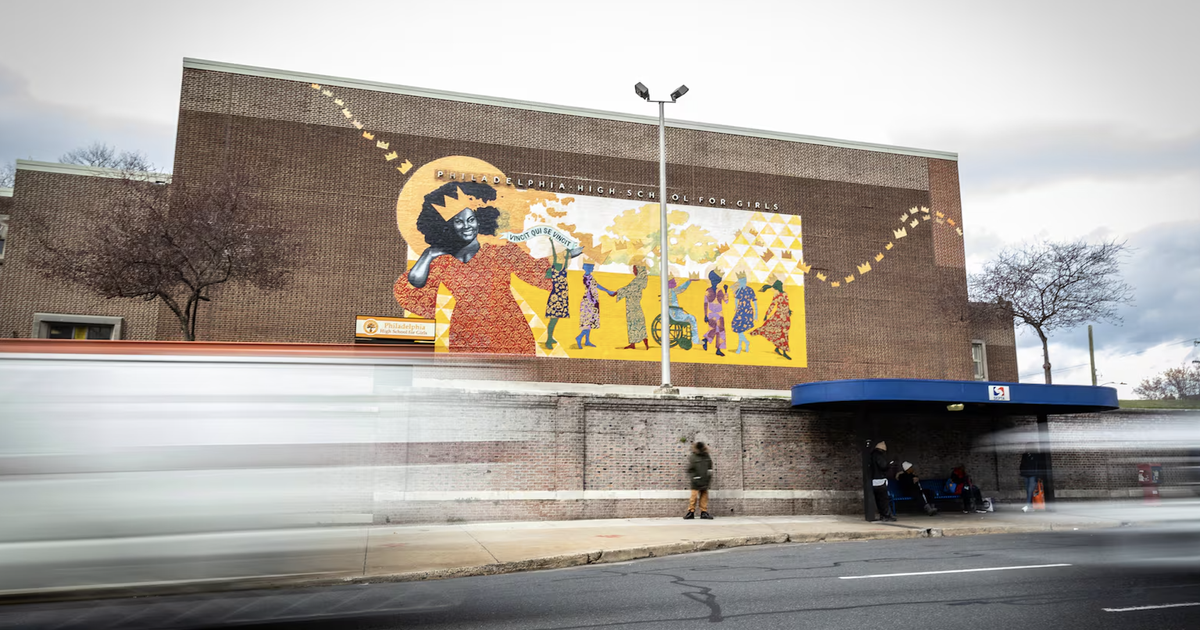
Philadelphia’s Girls High Faces Overcrowding After Enrollment Surge
In Philadelphia, Principal KaTiedra Argro faced an unexpected hurdle at the High School for Girls as freshman enrollment surged to roughly 250 students, triple the size of the class from three years ago. The sudden influx resulted in overcrowded classrooms, including a World History section packed with 55 students. While the revival reflects successful recruitment efforts across local elementary and middle schools, the district’s staffing budget formulas failed to account for the growth, leaving classes well above the teachers union contract limit of 33 students.
Recruitment Success Outpaces District Budgeting Models
Principal KaTiedra Argro spent years working to revitalize enrollment at Philadelphia’s storied High School for Girls, one of the city’s competitive magnet institutions that requires an application and acceptance process. To combat historical trends where accepted students failed to show up or transferred out, Argro overhauled recruitment strategies. She began visiting dozens of elementary and middle schools annually, launching social media campaigns, hosting accepted-student events in March, and organizing summer orientations.
That outreach yielded results for the current school year, pushing total enrollment to 603 students. However, the incoming freshman class arrived with roughly 20 more students than district projections anticipated. According to a statement from district spokesperson Naima DeBrest, district officials during the spring budgeting process underestimated the final enrollment numbers. Because the standard staffing allocation formulas did not match actual attendance, classrooms swelled beyond capacity.
Classroom Impacts and Teacher Workloads
Students reported immediate disruptions from the overcrowding. Jamie Liu, a 14-year-old freshman, described her World History class as overwhelming, noting that extra tables and chairs filled the space while noise levels made concentration difficult. Other students, such as 15-year-old Nayeli Tavera, pointed to similar conditions in an AP African American history class holding 46 students.

Faculty members also absorbed the strain of the unexpected numbers. Chris Canary, a social studies teacher, faced an African American history section with 54 students. To manage the load, the school canceled a separate AP macroeconomics class that had only nine enrolled students, reallocating Canary to teach an extra section of the required history course. While Argro noted that students affected by the macroeconomics cancellation will receive opportunities for AP courses or dual enrollment in the spring semester, teachers argued that cutting specialized programming highlights a reactive approach to resource allocation.
Union Standards and Administrative Responses
Arthur Steinberg, president of the Philadelphia Federation of Teachers, stated that minor overages at the start of an academic year are common, but having more than 20 additional students in multiple rooms exceeds normal operational bounds. The collective bargaining agreement establishes a 33-student cap per class and permits the district to adjust staffing levels during September to meet actual headcounts.

On Wednesday, district officials granted Argro authorization to hire an additional teacher, a move expected to reduce class sizes to the contractual limit of 33 students once the new hire begins. Argro noted that district leadership has remained responsive to institutional needs, though faculty members continue to evaluate whether single-position additions fully resolve structural issues when rapid demographic shifts occur at the start of a term.