
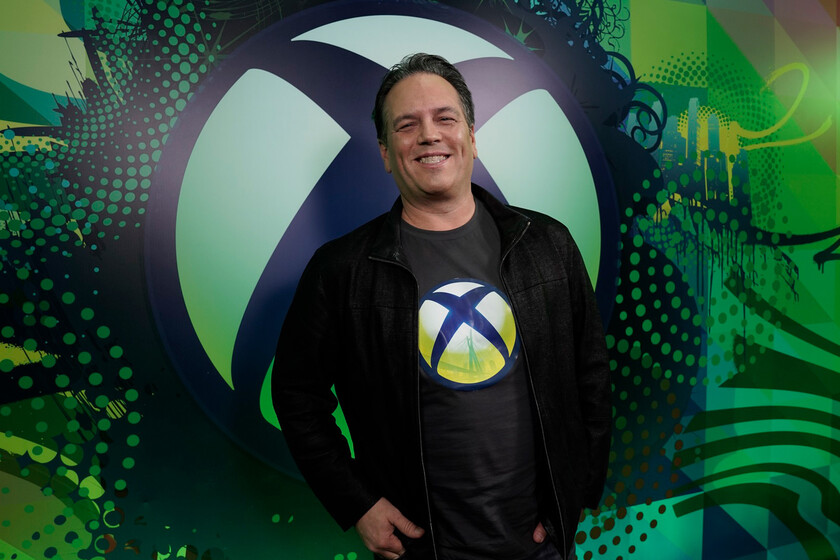
A seismic shift has occurred at the top of Microsoft Gaming. Phil Spencer is stepping down as CEO, Sarah Bond has resigned as president of Xbox, and Asha Sharma, previously president of CoreAI within Microsoft, has been named the new CEO of Microsoft Gaming, effective Monday, February 23, 2026. The changes, first reported by IGN, represent a significant restructuring of the leadership team that has guided Xbox through the past decade.
According to sources familiar with the matter, Spencer initiated discussions about his departure last fall, informing Microsoft CEO Satya Nadella of his intention to transition to a new chapter. He will remain in an advisory role through the summer, ensuring a period of handover. Bond’s departure is not framed as a direct succession plan, but rather a concurrent exit alongside Spencer’s.
Sharma’s appointment marks a departure from the traditional Xbox leadership profile. Her background is rooted in product and platform development at scale, having joined Microsoft in 2024 after serving as VP of Product and Engineering at Meta and COO of Instacart. She also held a position on the board of The Home Depot, according to her LinkedIn profile. This experience contrasts with a history directly tied to the evolution of the Xbox brand.
In a parallel move, Matt Booty, currently head of Xbox Game Studios, has been promoted to Chief Content Officer. This elevation positions Booty as a central figure in shaping the content strategy for Microsoft Gaming, particularly as the company’s portfolio of studios and franchises remains a key asset.
Sharma outlined a three-pronged strategy in her initial communication to the team. Her primary focus is “great games,” emphasizing compelling characters, immersive storytelling, and creative excellence. She pledged to empower studios, invest in established franchises, and foster new ideas, highlighting Booty’s understanding of “the craft and the challenges of building great games.”
The second pillar of her strategy centers on “the resurgence of Xbox,” with a firm reaffirmation of the console’s role in the brand’s identity after 25 years. The third area of focus is the “future of gaming,” exploring new business models and shared tools for developers and players in a multi-device gaming landscape.
The leadership transition appears to have been planned for several months, with a structured handover process in place. The immediate focus now shifts to the execution of Sharma’s vision: translating the commitment to high-quality games into tangible results, defining the console’s future role within the broader Xbox ecosystem, and integrating the company’s expanding presence across multiple platforms. The changes are now in effect, and the coming months will determine the direction of Microsoft Gaming under new leadership.
