
Peru 2026 Presidential Elections: Top Candidates and Latest Polls
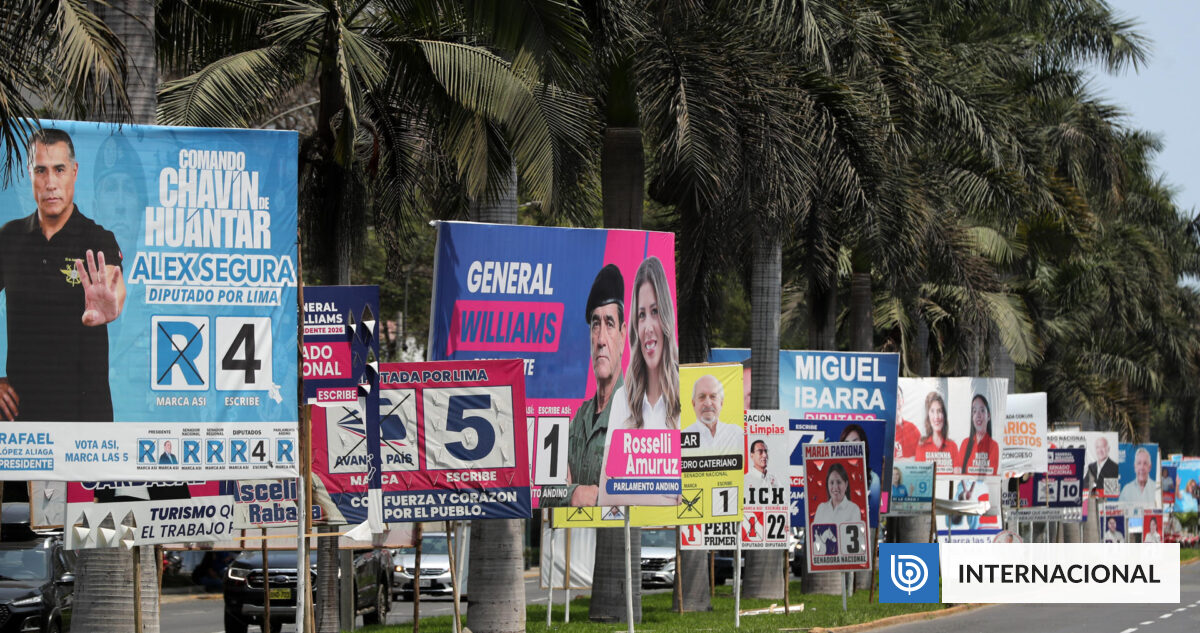
As Peru enters the final stretch of its 2026 presidential elections, Keiko Fujimori remains the frontrunner among a crowded field of 35 candidates. The race centers on restoring political stability and economic growth in a nation grappling with chronic executive-legislative deadlock and widespread public distrust.
The tension in Lima is palpable. This isn’t just another election cycle; We see a referendum on the very survival of the Peruvian state’s institutional framework. For years, the “musical chairs” of the presidency has created a vacuum of leadership, leaving the private sector in a state of perpetual hesitation. When the head of state changes every couple of years, long-term investment vanishes.
The problem is systemic. The current volatility creates a high-risk environment for international trade and domestic infrastructure. Businesses are no longer asking who will win, but rather how they can protect their assets from the inevitable policy swings that follow a change in administration. For those operating in the mining or agricultural sectors, this instability necessitates a reliance on specialized corporate law firms to navigate the shifting regulatory sands of the Peruvian government.
The Fragmentation of the Peruvian Electorate
The sheer volume of candidates—over thirty individuals vying for the presidency—highlights a fractured political landscape. While Keiko Fujimori maintains a lead in the polls, her support is often viewed as a “ceiling” rather than a springboard. Her brand of conservatism appeals to a specific demographic, but it remains polarizing in the Andean highlands and the Amazonian regions.

Then there is the rise of “outsider” candidates and the influence of figures like Rafael López Aliaga. Critics, including political analyst Augusto Álvarez Rodrich, suggest that López Aliaga is attempting to mirror the populist rhetoric of figures like Jair Bolsonaro or Donald Trump. This shift toward right-wing populism is not happening in a vacuum; it is a reaction to the perceived failure of traditional centrist parties to curb insecurity and corruption.
“Peru is not just choosing a president; it is choosing whether to continue its descent into institutional chaos or to finally establish a predictable legal framework that attracts global capital.”
The economic stakes are immense. Peru’s economy relies heavily on copper and gold exports. Any candidate proposing radical shifts in mining royalties or environmental regulations without a clear transition plan risks triggering a capital flight. Here’s why many regional governors in areas like Cusco and Arequipa are increasingly seeking strategic business consultants to hedge against political volatility.
Comparing the Leading Ideologies
To understand the trajectory of the 2026 election, one must look at the divergence in proposed governance models. The candidates are split between those advocating for “institutional continuity” and those demanding “radical rupture.”
| Candidate Profile | Core Proposal | Primary Risk | Target Demographic |
|---|---|---|---|
| Conservative/Fujimorista | Security-first, Market-driven | High Social Polarization | Urban Middle Class, Business Elite |
| Right-Wing Populist | Anti-establishment, Deregulation | Institutional Friction | Tiny Business Owners, Rural Conservatives |
| Left-Wing/Progressive | Social Welfare, State Intervention | Investment Flight | Youth, Indigenous Communities |
The “rupture” candidates argue that the current system is beyond repair. They propose rewriting the constitution—a move that sounds appealing to a frustrated public but often leads to prolonged periods of legal uncertainty. For the average citizen, this uncertainty manifests as inflation and a lack of public services. When the state fails to provide security, citizens turn to private security firms to fill the gap, further privatizing the concept of safety.
The Regional Ripple Effect
The outcome of this election will reverberate far beyond the borders of Lima. Peru is a critical node in the Associated Press reporting on Latin American stability. A victory for a populist candidate could align Peru more closely with the ideological shifts seen in neighboring Chile or Brazil, potentially altering trade agreements within the Pacific Alliance.
Local infrastructure projects, particularly those involving the Port of Chancay, are currently in a precarious position. These multi-billion dollar investments require a stable legal environment to ensure that contracts are honored across different administrations. If the incoming president decides to renegotiate terms based on populist pressure, the legal fallout will be catastrophic.
Legal experts warn that the risk of “administrative capture”—where political appointees override technical expertise—is at an all-time high. This makes it imperative for foreign investors to secure international arbitration specialists to protect their interests against arbitrary state actions.
“The danger in Peru is not the ideology of the winner, but the fragility of the transition. If the winner cannot build a coalition in Congress, we will see another cycle of impeachments and provisional presidents.”
The Path Toward 2026
As the campaign intensifies, the focus will shift toward the “periphery”—the rural voters who feel abandoned by the Lima-centric political class. The ability of a candidate to bridge the gap between the cosmopolitan coast and the rugged interior will determine the final result.
We are seeing a trend where candidates are no longer just proposing laws, but are attempting to build “shadow cabinets” to prove they can actually govern. This is a response to the perceived incompetence of previous administrations. However, the lack of a strong party system means these cabinets are often collections of individuals rather than cohesive ideological units.
The long-term impact of this election will be measured not by who takes the sash on inauguration day, but by whether the winner can survive the first 100 days without a vote of no confidence. The pattern of the last decade suggests that the presidency in Peru is a precarious seat, often held only as long as the legislature finds it convenient.
Peru stands at a crossroads where the desire for a “strongman” conflicts with the need for stable institutions. Whether the country chooses a known entity like Fujimori or a disruptive force like López Aliaga, the underlying volatility remains. For those navigating this environment, the only certainty is the need for verified, professional guidance. Whether you are an investor seeking legal protection or a citizen looking for civic support, the World Today News Directory remains the essential resource for finding the vetted professionals capable of operating within this complex political landscape.