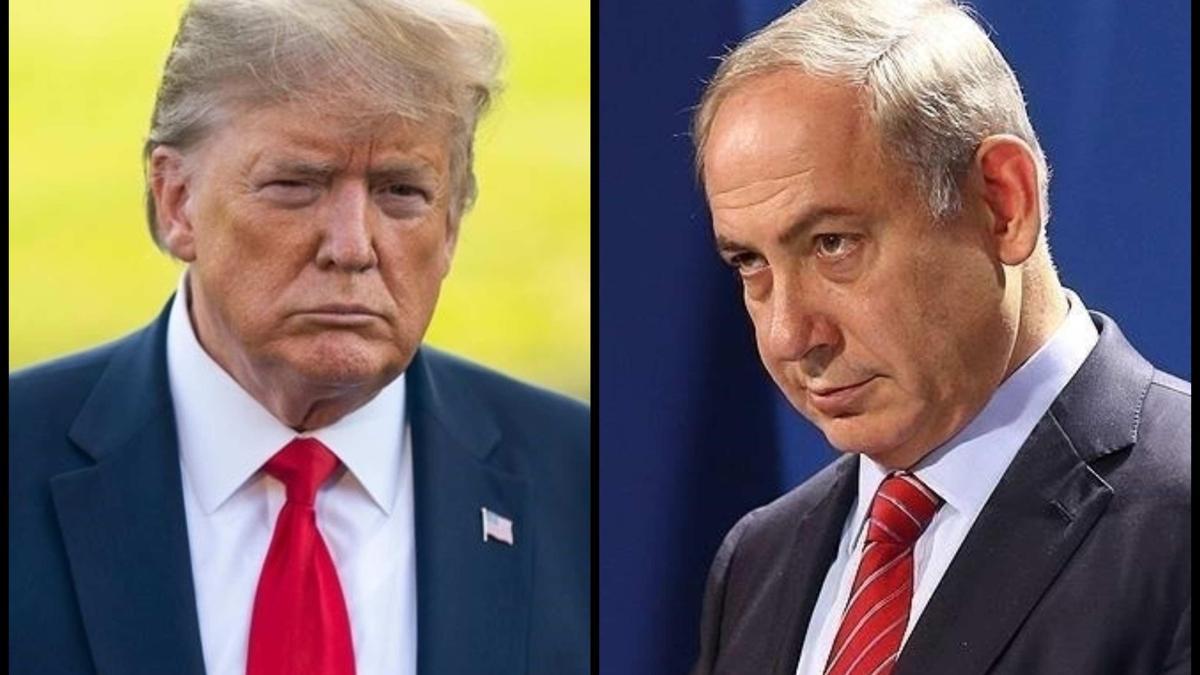
Pentagon on High Alert Over Alleged Israeli Espionage in US-Iran Negotiations
The Pentagon has elevated its counterintelligence threat assessment for Israel to the “critical” level, according to U.S. officials. This designation follows reports that Israeli intelligence agencies are actively surveilling American negotiators to intercept internal U.S. deliberations regarding ongoing Middle East conflicts, marking a significant escalation in tensions between the two allies.
The Mechanics of a Strategic Breach
Intelligence gathering is rarely a binary affair between adversaries. When the Defense Intelligence Agency (DIA) formally designates a strategic partner like Israel as a “critical” counterintelligence threat, it signals a collapse in the standard information-sharing protocols that typically govern the U.S.-Israel military relationship. According to current U.S. officials, the DIA recently circulated an internal document—a seven-page analysis accompanied by a technical chart—detailing Israel’s heightened capabilities in human espionage and technical collection.
The core of this friction lies in the divergent objectives regarding regional security. While the U.S. has been engaged in high-stakes negotiations concerning the war with Iran, the Pentagon has grown increasingly wary that Israel is leveraging its intelligence apparatus to bypass official diplomatic channels. By targeting the internal decision-making processes of the Trump administration, Israeli actors are essentially attempting to gain a “first-look” advantage on U.S. policy shifts, forcing the Pentagon to treat its closest Middle Eastern ally with the same operational caution usually reserved for hostile powers.
Macro-Economic Ripples and Security Uncertainty
This diplomatic breakdown creates immediate friction for global firms operating within the defense and technology sectors. When intelligence walls go up between major powers, the cost of compliance for multinational entities skyrockets. Corporations that rely on seamless data sharing or joint ventures between U.S. and Israeli firms now face an environment of extreme regulatory volatility.

For firms managing sensitive intellectual property or dual-use technologies, this shift is not merely a political headline; it is a direct risk to operational continuity. We are observing a trend where the “trust-but-verify” model of international business is being replaced by total digital isolation. Organizations must now account for the risk of “information leakage” as a standard line item in their geopolitical risk assessments. For those navigating this increasingly fragmented landscape, engaging with International Risk & Compliance Consultants is no longer optional—it is a prerequisite for maintaining market access without triggering federal oversight scrutiny.
The Diplomatic Fallout of Surveillance
The Israeli Embassy in Washington, D.C., has formally denied these allegations, issuing a statement that it is “completely false” that Israel spies on the U.S. The spokesperson stated, “Israel does not gather intelligence on American entities, let alone US government officials.” Despite this categorical denial, the Pentagon’s decision to elevate the threat level suggests that the internal intelligence assessment is based on concrete, identified incidents that have transcended mere suspicion.
The geopolitical cost of this crisis is severe. As noted by analysts at organizations such as Foreign Affairs, the erosion of intelligence cooperation between Washington and Jerusalem complicates the broader regional strategy against shared adversaries. If the U.S. cannot secure its own internal deliberations from the prying eyes of its allies, its ability to act as a credible arbiter in regional peace deals is fundamentally compromised.
Mitigating the Risk to Global Operations
The current situation necessitates a rigorous re-evaluation of how transnational entities handle cross-border data. When state-level espionage accusations reach the “critical” threshold, the legal exposure for international firms can be profound. If a company is caught in the middle of a sanctioned data-sharing loop, they risk being penalized by both the U.S. Department of Defense and local regulatory authorities.

To mitigate these risks, corporations must audit their supply chains and digital infrastructure to ensure that no “backdoor” access exists that could be exploited by third-party intelligence operations. This often requires the expertise of Global Cybersecurity & Defense Law Specialists who understand the intersection of national security legislation and private sector data privacy. In an era where the boundary between “friend” and “adversary” is increasingly fluid, relying on outdated security frameworks is a recipe for disaster.
The Kicker
As the Pentagon continues to harden its internal communications, the fallout from this espionage crisis will likely reshape the future of the U.S.-Israel defense partnership for years to come. The era of unchecked intelligence sharing is effectively over, replaced by a climate of deep suspicion and operational siloization. For businesses and stakeholders, the lesson is clear: in a world where even the closest alliances are subject to intense surveillance, the only way to safeguard your interests is to operate under the assumption that your digital perimeter is already compromised. To ensure your firm is protected against these shifting geopolitical currents, consult our registry of Strategic Geopolitical Risk Advisors to harden your operations against the next wave of state-sponsored uncertainty.