
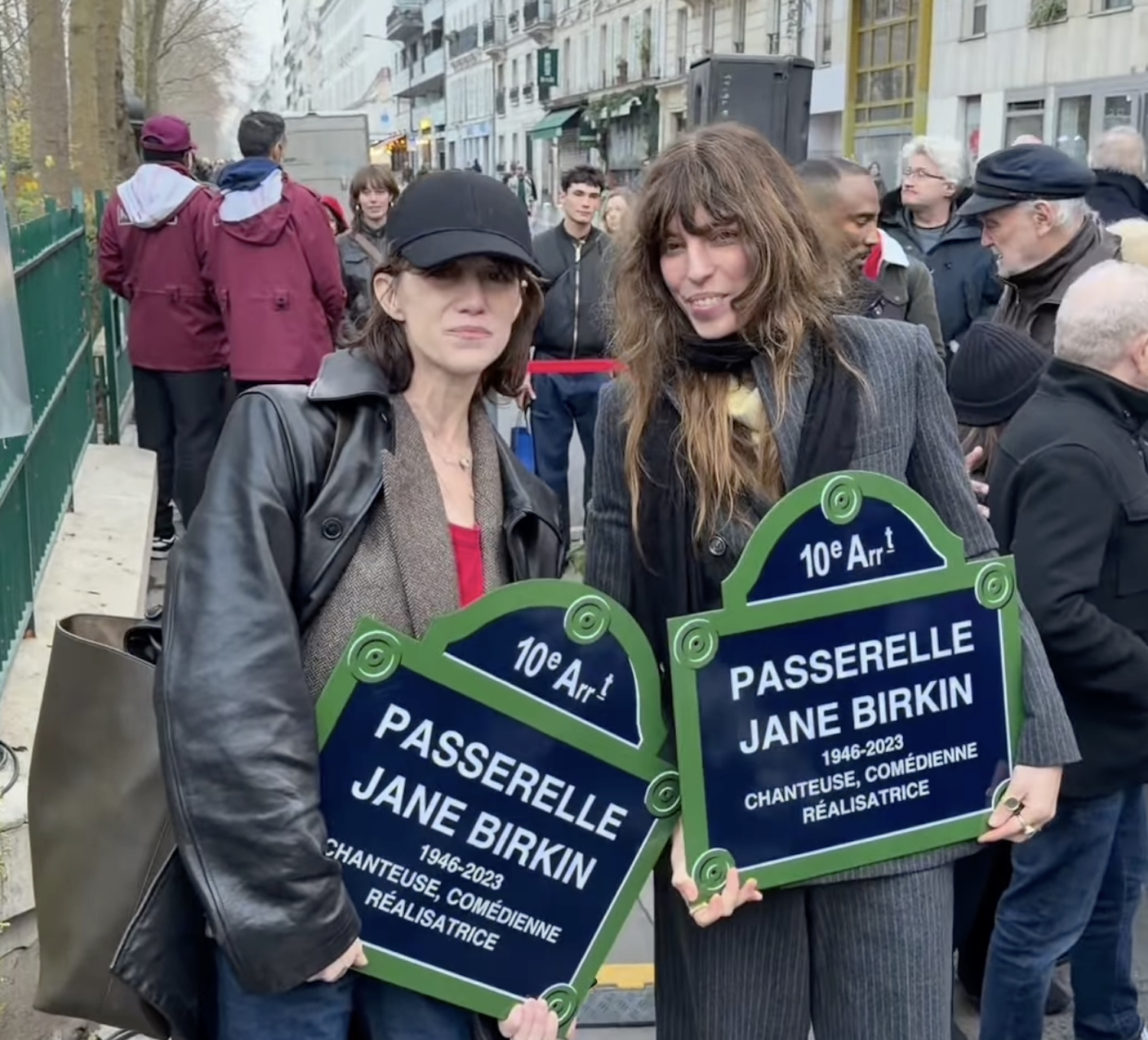
Paris municipal cultural branding is now at the center of a structural shift involving the commodification of heritage and soft‑power signaling. The immediate implication is an amplified cultural‑tourism narrative that can be leveraged in diplomatic and economic outreach.
The Strategic Context
France has long positioned its cultural assets as a pillar of national identity and international influence.Over recent decades, municipal governments have increasingly used place‑naming and heritage projects to reinforce a “cultural capital” brand that supports tourism, creative‑industry clustering, and diplomatic goodwill. The renaming of a historic bridge after an iconic Anglo‑French figure aligns with this broader trend of leveraging transnational cultural icons to sustain France’s soft‑power advantage in a competitive global cultural market.
Core Analysis: Incentives & Constraints
Source Signals: The city of Paris renamed the “passerelle des Douanes” to “passerelle Jane Birkin,” highlighted the bridge’s historic status, and featured speeches by Birkin’s daughters, emphasizing her multi‑disciplinary legacy.
WTN Interpretation:
- Incentives: municipal authorities aim to refresh the city’s cultural itinerary, attract visitors to lesser‑known neighborhoods, and reinforce Paris’s image as a hub where Anglo‑French artistic exchange thrives. The involvement of Birkin’s high‑profile daughters provides media amplification and intergenerational legitimacy.
- Leverage: Paris can mobilize heritage sites without major fiscal outlays, using symbolic gestures to generate publicity and modest tourism spikes. The bridge’s status as the oldest crossing of the Canal Saint‑Martin offers a tangible narrative hook.
- Constraints: Budgetary pressures on local governments limit large‑scale cultural investments; any perceived over‑commercialization of heritage may provoke public backlash or criticism from preservationist groups. Additionally, the symbolic act must compete with other European cities intensifying their own cultural branding campaigns.
WTN Strategic Insight
“City‑level heritage rebranding is the new frontier of soft‑power, turning historic infrastructure into living symbols that attract both tourists and diplomatic goodwill.”
Future Outlook: Scenario Paths & Key indicators
Baseline Path: If Paris continues to integrate cultural icons into urban nomenclature and heritage promotion, the city will see a modest but steady increase in cultural‑tourism footfall, reinforcing its soft‑power cachet and providing ancillary benefits to local businesses and the creative sector.
Risk Path: If public sentiment shifts against perceived “branding” of historic sites or if competing European cities launch more aggressive cultural‑tourism initiatives, the symbolic impact may dilute, leading to limited tourism gains and potential criticism of municipal priorities.
- Indicator 1: Quarterly tourism statistics for the 10th arrondissement, focusing on visitor numbers to the Canal Saint‑Martin area.
- Indicator 2: Media sentiment analysis of Parisian heritage branding initiatives over the next 3‑6 months, tracking both domestic and international coverage.
