
Palencia Wildfires Expose Coordination Failures, Resource Concerns
Table of Contents
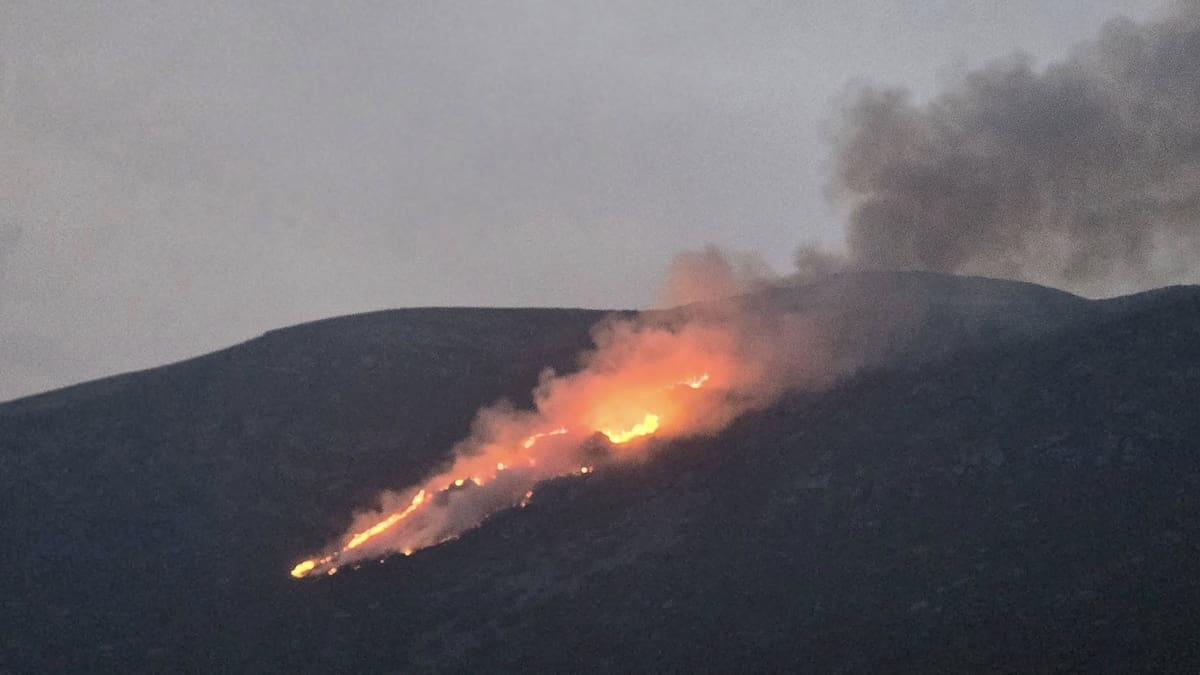
Palencia, Spain – A rapidly escalating wildfire in the Palencia mountain range has ignited a political firestorm, with the mayor of Cervera de Pisuerga, Jorge ibáñez, publicly criticizing the lack of coordination among agencies battling the blaze.The fire, believed to have started by lightning on August 20, 2025, has already consumed a significant portion of the palencia Mountain natural Park, a vital habitat for the endangered Cantabrian brown bear.
Mayor Details Breakdown in Communication
Ibáñez voiced his concerns in a statement, lamenting the absence of communication from the director of the Natural Park, who has overseen management for 25 years. “In ten days of fires, we have not had a call from the director of the Natural Park,” he stated.”The Natural Park has burned from end to end, there is legislation that did not let us make way or firewall.” He further emphasized the director’s physical absence, noting the park headquarters is located 100 kilometers from the affected area, and the lack of visible leadership during the crisis.
The mayor highlighted a long-term trend of diminishing resources dedicated to fire prevention and control. He reported significant staffing shortages, with specialist personnel in reserve areas covered by only 60 percent of the required workforce. Similar deficiencies exist in the park’s nursery and forest brigades, where contracts are often limited to three-month summer campaigns, leaving critical periods unprotected.
Did You know?
Spain experiences one of the highest numbers of wildfires in Europe, with climate change exacerbating the risk and intensity of these events.
Logistical Issues Hamper Firefighting Efforts
beyond staffing,logistical challenges have further intricate firefighting efforts. Ibáñez revealed that brigades were left without adequate support, with some forced to sleep outdoors due to a lack of prepared accommodations. Food distribution was also severely disrupted, with firefighters reportedly going 18 hours without meals. A especially alarming incident involved the distribution of spoiled food – eggs from a previous Sunday – to a firefighting crew on Thursday, raising concerns about potential food poisoning.
“A volunteer told me, it is incredible how the City Council of San Salvador smells and there is a missing box, which is Sunday’s food and we are on Thursday and that had cooked eggs,” Ibáñez recounted. ”we went to the command center to ask.That box had been distributed. And if we had not seen that, that gang that was working later would have found a salmonella and hospitalized.”
Timeline of the Palencia Wildfire
| Date | Event |
|---|---|
| August 20, 2025 | Fire reportedly starts in Palencia Mountain Natural Park, suspected cause: lightning. |
| August 21, 2025 | Mayor of Cervera de Pisuerga publicly denounces lack of coordination and resource shortages. |
| Ongoing | Fire continues to burn, reaching Lebanza and prompting increased administrative awareness. |
The fire’s initial slow response,with awareness only increasing after it reached Lebanza,has fueled criticism of the initial assessment and response strategy. Ibáñez noted that the fire initially appeared minor, coinciding with local festivities, but escalated rapidly after an 18th-century abbey was engulfed in flames.
Pro Tip:
Staying informed about local fire risk levels and adhering to fire safety guidelines can substantially reduce the likelihood of wildfires.
Broader Context: Wildfire Challenges in Spain
this incident underscores the growing challenges Spain faces with increasingly frequent and intense wildfires.According to a report by the European Forest Fire Information System (EFFIS), Spain is among the most affected countries in Europe, with a significant portion of its territory at risk. The combination of climate change, land abandonment, and inadequate forest management practices contributes to the heightened vulnerability. The Spanish government has implemented various measures to combat wildfires,including increased funding for firefighting resources and improved prevention strategies,but challenges remain in ensuring effective coordination and rapid response.Do you think current wildfire prevention measures are sufficient to address the growing threat?
The situation in Palencia raises critical questions about the effectiveness of current wildfire management strategies and the need for improved coordination, resource allocation, and long-term investment in prevention. What steps can be taken to ensure a more effective response to future wildfires in the region?
Wildfires are an increasingly prevalent issue globally, driven by climate change and land-use patterns. the Palencia fire serves as a stark reminder of the need for proactive forest management, robust emergency response systems, and international collaboration to mitigate the risks and protect vulnerable ecosystems. Long-term solutions require a holistic approach that addresses the root causes of wildfires and prioritizes prevention over reaction.
Frequently Asked Questions about the Palencia Wildfires
- What caused the palencia wildfires? The fire is believed to have started by lightning on August 20, 2025.
- What is the extent of the damage? A significant portion of the Palencia Mountain Natural Park has been burned, impacting a vital habitat for the Cantabrian brown bear.
- What are the main criticisms leveled against the response? The mayor of Cervera de Pisuerga has criticized the lack of coordination, communication, and resource allocation.
- What is being done to address the logistical issues? Efforts are underway to improve food and accomodation provisions for firefighters, but challenges remain.
- what is the long-term outlook for the affected area? The long-term impact on the ecosystem is still being assessed, but significant restoration efforts will be required.
We hope this report provides valuable insight into the ongoing situation in Palencia. Please share this article with your network to raise awareness about the challenges facing wildfire-prone regions. Your comments and feedback are always welcome – let us know your thoughts on this critical issue!
