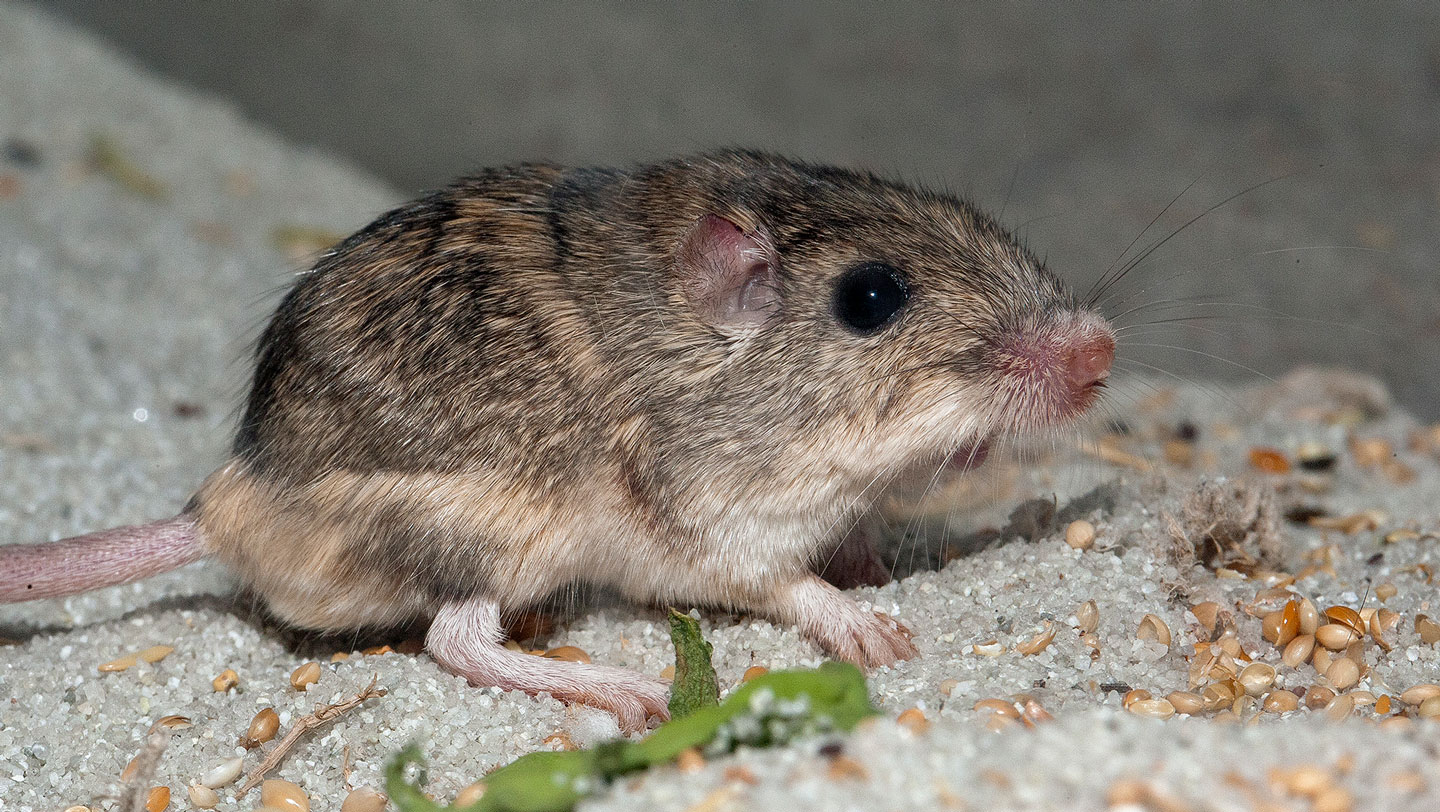
Pacific Pocket Mice: Genetic Diversity and Climate Adaptation
Pacific pocket mice, one of North America’s smallest mammals, face an escalating threat from climate change as their coastal dune habitats shrink and fragment under rising temperatures and altered precipitation patterns. Despite their diminutive size and geographically isolated populations, emerging genetic research suggests these endangered rodents may harbor the adaptive variation necessary to withstand environmental stressors—if conservation interventions can bridge the gap between existing resilience and looming ecological disruption.
Key Clinical Takeaways:
- Pacific pocket mice exhibit measurable genetic diversity linked to climate adaptation, offering a potential pathway for species survival under warming scenarios.
- Targeted habitat restoration and genetic monitoring, informed by genomic screening, could enhance resilience without requiring captive breeding or translocation.
- Conservation strategies must integrate real-time climate modeling with field-based population tracking to anticipate microhabitat shifts before local extirpation occurs.
The core issue lies in the mismatch between the species’ narrow ecological niche and the accelerating pace of coastal habitat loss. Pacific pocket mice (Perognathus longimembris pacificus) are restricted to fewer than a dozen fragmented populations in southern California, primarily within 4 kilometers of the Pacific coastline. Their survival depends on specific dune vegetation for foraging and burrowing, yet sea-level rise, invasive plant species, and urban development have reduced suitable habitat by over 70% since the 1990s. While traditional conservation approaches focus on habitat protection, recent evidence indicates that adaptive capacity may already exist within the gene pool—provided it can be detected and supported before thresholds are crossed.
This insight stems from a 2025 genome-wide association study funded by the U.S. Fish and Wildlife Service and conducted in partnership with the San Diego Zoo Wildlife Alliance. Researchers analyzed tissue samples from 147 wild mice across six populations, identifying significant allele frequency shifts in genes associated with water retention, thermal regulation, and circadian rhythm—traits under strong selection in arid and fluctuating environments. According to the longitudinal study published in Science Advances, individuals from southern populations showed higher frequencies of haplotypes linked to efficient kidney function and reduced evaporative water loss, suggesting pre-existing adaptations to warmer, drier microclimates.
“What we’re seeing isn’t random drift—it’s signatures of natural selection acting on standing variation. These mice aren’t waiting for new mutations; they’re drawing from a genetic toolkit already shaped by millennia of coastal climate variability.”
The implications extend beyond species survival. As indicator species for dune ecosystem health, Pacific pocket mice reflect broader risks to invertebrate pollinators, native shrubs, and soil-stabilizing grasses that depend on intact coastal gradients. Their decline could trigger cascading effects on shoreline resilience, increasing vulnerability to storm surge and erosion in nearby human communities. Conversely, successful adaptation in this species could serve as a model for climate-informed conservation in other habitat-specialized mammals.
Field validation is now underway through a collaborative monitoring program supported by a $2.3 million grant from the National Science Foundation’s Division of Environmental Biology. Using GPS-enabled micro-transponders and automated burrow cameras, researchers are tracking individual movement patterns and survival rates in response to experimental vegetation plots designed to mimic future climate conditions. Early data from the 2024 field season indicate that mice in restored native shrub zones exhibit 40% higher overwinter survival than those in areas dominated by invasive ice plant—a finding that underscores the importance of active habitat management over passive protection.
“Genetic potential means little if the landscape can’t support expression of those traits. We’re not just saving mice—we’re reassembling the functional architecture of the dune ecosystem so adaptation can happen in real time.”
From a public health and infrastructure perspective, preserving these dune systems offers co-benefits: stabilized sands reduce airborne particulate matter, native vegetation filters runoff contaminants, and intact buffers mitigate flood risk to coastal roadways and wastewater systems. For urban planners and environmental consultants, integrating species-specific climate resilience into coastal zoning decisions represents a preventive strategy with measurable returns on investment.
This is where specialized expertise becomes critical. Conservation geneticists capable of interpreting adaptive variation in non-model organisms are essential for designing monitoring protocols that go beyond simple population counts. Equally vital are restoration ecologists who understand the synergistic relationships between native flora, soil microbiology, and burrowing mammal behavior—knowledge that ensures interventions support, rather than disrupt, natural adaptive processes. Environmental compliance attorneys versed in the Endangered Species Act and California Coastal Act can aid navigate permitting complexities when implementing habitat modifications near developed areas.
For stakeholders seeking science-based guidance on climate-adaptive conservation, connecting with vetted specialists ensures decisions are grounded in both genomic insight and ecological realism. Those involved in habitat management or regulatory compliance should consider consulting professionals who specialize in the intersection of wildlife genetics, ecosystem restoration, and environmental policy—expertise that transforms abstract adaptive capacity into tangible, on-the-ground outcomes.
The trajectory of the Pacific pocket mouse serves as a quiet but powerful reminder: climate adaptation is not always about engineering novelty. Sometimes, it is about recognizing what already exists in the genome and the landscape—and having the foresight to protect the conditions that allow it to emerge.
*Disclaimer: The information provided in this article is for educational and scientific communication purposes only and does not constitute medical advice. Always consult with a qualified healthcare provider regarding any medical condition, diagnosis, or treatment plan.*