
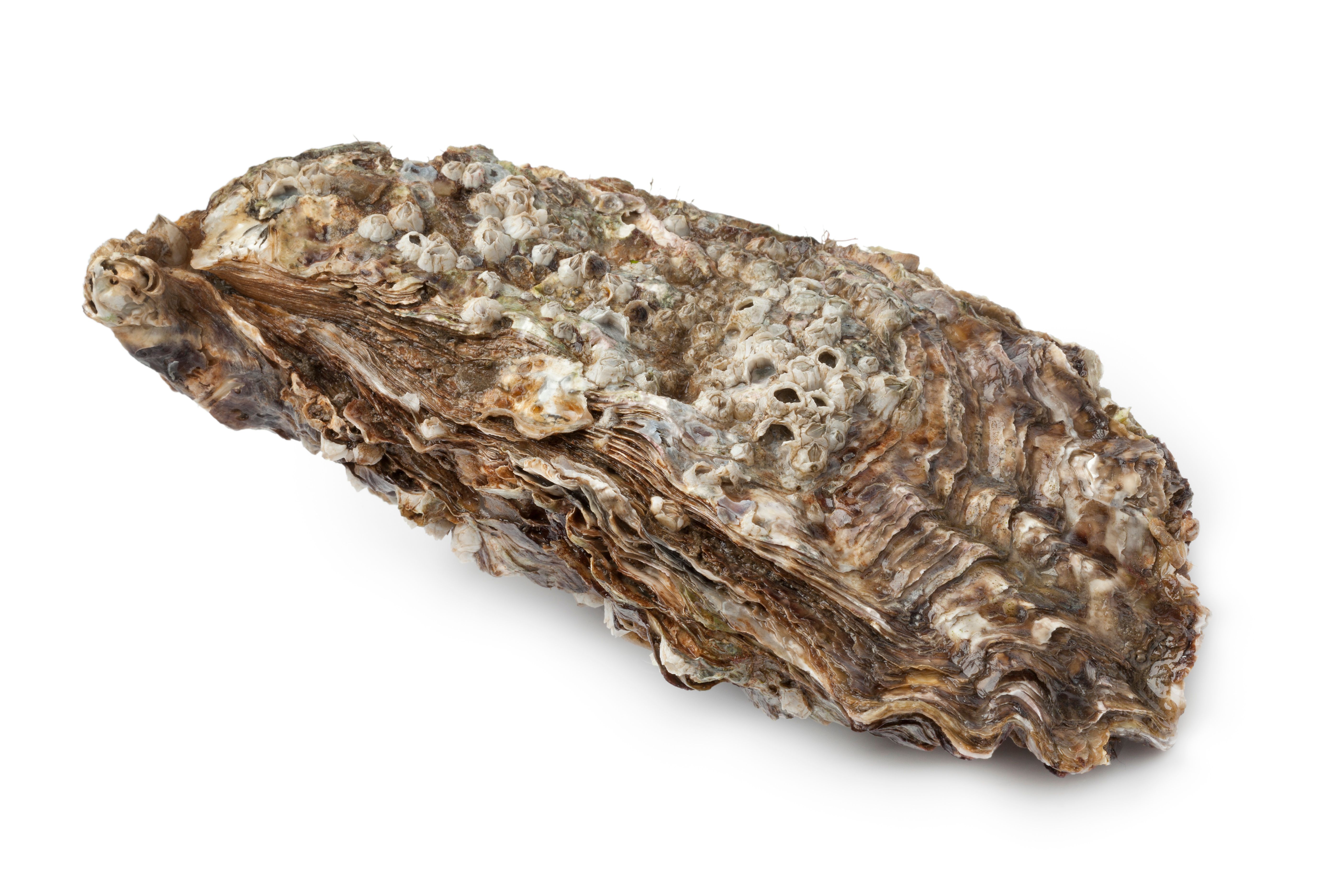
Researchers at Ludong University in China have identified key metabolic changes linked to shell coloration in Pacific oysters, a commercially important species known scientifically as Crassostrea gigas. The findings, published this week in Comparative Biochemistry and Physiology Part B: Biochemistry and Molecular Biology, could aid in selective breeding programs aimed at enhancing the market value of oysters based on shell appearance.
Shell color in Pacific oysters ranges from golden and purple to black and white, with variations influencing consumer preference and price. Previous attempts to understand the genetic and biochemical basis of these color differences have been complicated by systemic physiological variations between oyster strains – such as differing growth rates – that obscure the specific metabolic signals related to pigmentation.
To overcome this challenge, the Ludong University team, led by researchers at the School of Fisheries, focused on analyzing the mantle tissue – the outer ring of the oyster where the shell is formed – from both black and white regions within the same individual oysters. This approach minimized the impact of broader physiological differences, allowing them to pinpoint metabolic changes directly associated with melanin deposition. Using untargeted liquid chromatography-mass spectrometry (LC-MS) metabolomics, they identified 527 differential metabolites between the black and white mantle tissues.
The analysis revealed alterations in tyrosine metabolism within the black mantle tissue. While levels of dopamine remained consistent, downstream metabolites associated with catecholamine production were reduced, suggesting a competition for substrates within the melanogenic pathway – the biochemical process responsible for melanin production. Researchers also observed elevated levels of glutathione in the black mantle regions, potentially creating a more reductive environment that supports redox homeostasis, a critical factor for sustained melanin synthesis.
Further investigation showed decreased levels of citrate cycle intermediates and lipids in the black mantle tissue. This suggests a metabolic shift prioritizing the biosynthesis of pigment over energy storage. Increased concentrations of spermidine were also identified in the black mantle regions, which may indirectly influence melanogenesis.
“These findings provide a novel biochemical perspective on mollusk coloration, highlighting that melanin pigmentation is a highly regulated metabolic process that balances substrate competition, redox regulation, and energy allocation,” the authors wrote in their published paper. They suggest their work could provide new insights into the biochemical basis of shell coloration and inform selective breeding strategies targeting pigmentation traits in bivalves.
The economic importance of shell color in Pacific oysters has been increasingly recognized, with selective breeding programs already underway to establish distinct shell color strains. Previous research has indicated that shell color variations correlate with differences in growth performance and nutritional characteristics, with black shell strains showing particular promise for further improvement, according to studies cited by the researchers.
