
Ottawa studies risks of corporate flight if Alberta separates
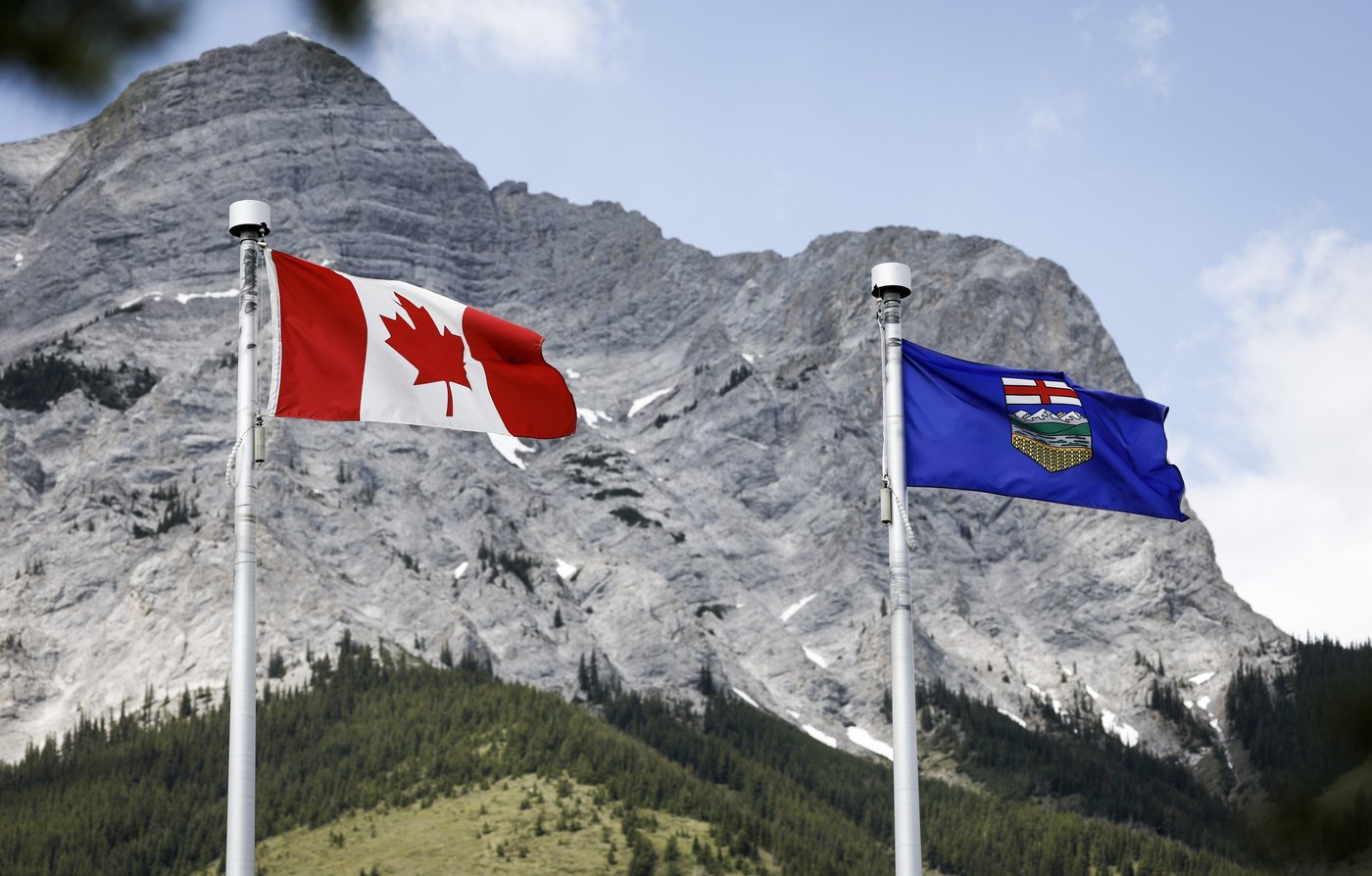
Internal briefing notes reveal that Ottawa is studying an $18-billion fiscal contribution, potential corporate head office flight, and a mass worker exodus if Alberta separates from Canada. The federal analysis evaluates these risks ahead of Alberta’s October 19, 2026 referendum on whether the province should remain in the federation.
The federal documents, obtained through access to information legislation, warn that lingering economic uncertainty could trigger the departure of non-resource corporate headquarters. This mirrors the post-1995 Quebec referendum environment when bond and equity markets tightened and major firms relocated from Montreal.
Separation Could Cost 175,000 Jobs in Alberta
Alberta contributes an average of $18 billion annually in net fiscal transfers. The province accounts for $475 billion in economic activity, making up 15 per cent of Canada’s GDP over the last decade. University of Calgary economist Trevor Tombe estimated that separation could raise trade costs by five to eight per cent, mirroring the United Kingdom’s withdrawal from the European Union. According to research, Tombe’s analysis indicates this trade disruption could cost up to 175,000 jobs in Alberta and slash the provincial economy significantly.

Tombe also calculated that an independent Alberta would face a $9-billion fiscal shortfall. Closing that gap would require severe fiscal measures, including a 13 per cent sales tax, a 10 per cent corporate income tax hike, or a 40 per cent reduction in federal transfers such as Old Age Security and the Canada Child Benefit. Meanwhile, former economics professor Paul Boothe noted that Alberta’s share of federal gross liabilities—standing at $2.2-trillion in 2024—would saddle individual Albertans with substantial additional debt, pushing personal debt from roughly $27,000 to between $80,000 and $95,000.
Business Leaders Warn Separation Would Deter Investment
Calgary Chamber president and CEO Deborah Yedlin warned that separation would amount to economic self-sabotage, destroying the low-tax Alberta advantage and triggering a negative feedback loop that deters investment. Economic development executive Trevor Lewington questioned the credibility and governance of separatist leadership figures like Jeffrey Rath and Mitch Sylvestre, emphasizing that constitutional overhaul requires rigorous public scrutiny. Meanwhile, Privy Council spokesperson Mélany Gauvin stated that Alberta remains an integral part of Canada and that the federal government is reviewing various third-party economic analyses.
Tim Sargent, project director for the School of Public Policy at the University of Calgary, told a Forum audience that any separation scenario introduces profound risks and heightened dependence on oil, gas, and the United States market. If separation occurs, Albertans would face foreign status when accessing out-of-country medical insurance or paying international university tuition fees. The debate intensifies as voters prepare to head to the polls on October 19, 2026.