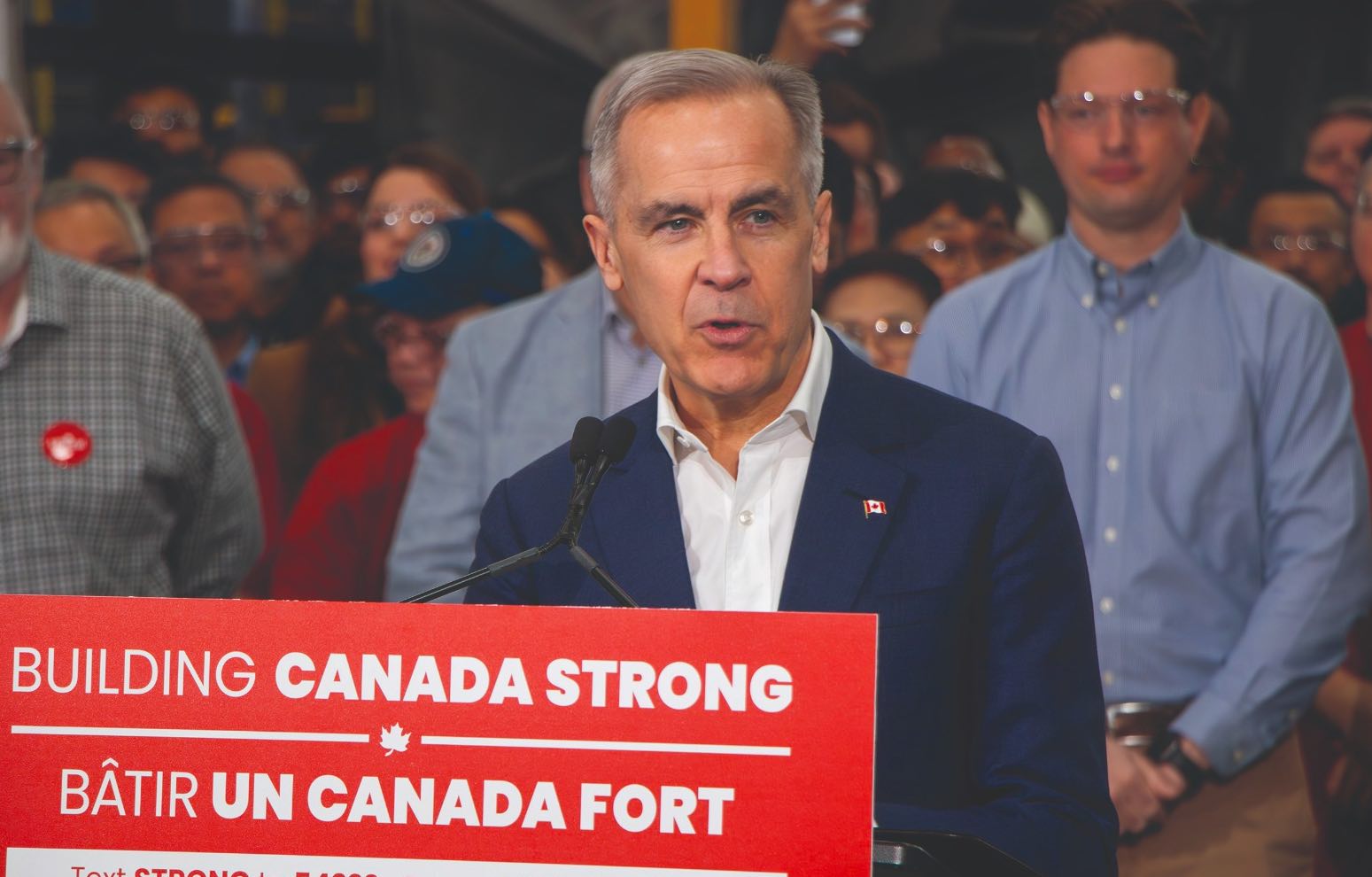
Mark Carney says Alberta-Pacific pipeline could begin after approval
Canadian Prime Minister Mark Carney announced Thursday that construction on a proposed Pacific-bound oil pipeline from Alberta could begin following a final regulatory approval expected next summer, [outlet] reported. Speaking in Fort McMurray, Carney stated that the project has been designated as of “national interest” to bypass typical consultation delays as part of a federal strategy to establish Canada as an energy superpower and reduce reliance on United States markets.
Essential Project Metrics and Timeline
- Target Pipeline Capacity: 1 million barrels of petroleum per day directed toward Pacific maritime export routes.
- Regulatory Deadline: Federal project administration aims to finalize construction conditions by September 1 of next year.
- Indigenous Stakeholder Equity: Indigenous communities along the proposed route are slated to hold a 10% ownership stake in the infrastructure.
Federal Framework Accelerates Pipeline Review Cycles
The federal government moved to classify the pipeline initiative under a special legal framework passed last year amid trade tensions with the United States. The legislation is designed to compress lengthy review cycles that historically stall major infrastructure deployments. The administrative body overseeing major projects faces a mandate to lock down operational conditions by September 1, clearing the path for physical groundwork.
This administrative push underpins Carney’s broader economic platform to double Canadian export volumes to non-U.S. markets over the coming decade. Currently, Canadian oil represents 60 percent of United States imports. By shifting logistical capacity toward the West Coast, the federal strategy aims to unlock maritime access to Asian buyers.

Alberta Oil Reserves Meet Regional Political Tensions
The proposed pipeline addresses logistical bottlenecks tied to the oil sands in Alberta, which hold the fourth-largest proven petroleum reserves globally. Residents in Alberta are scheduled to vote on October 19 on whether to grant their provincial government a mandate to pursue a future independence referendum, adding urgency to federal messaging regarding resource revenue distribution.
To secure regional and local buy-in, the federal framework structures the pipeline equity to include a mandatory 10 percent stake for Indigenous communities situated along the geographic corridor.