OSF HealthCare CEO Uses Pope Francis AI Encyclical as Framework for Human Dignity
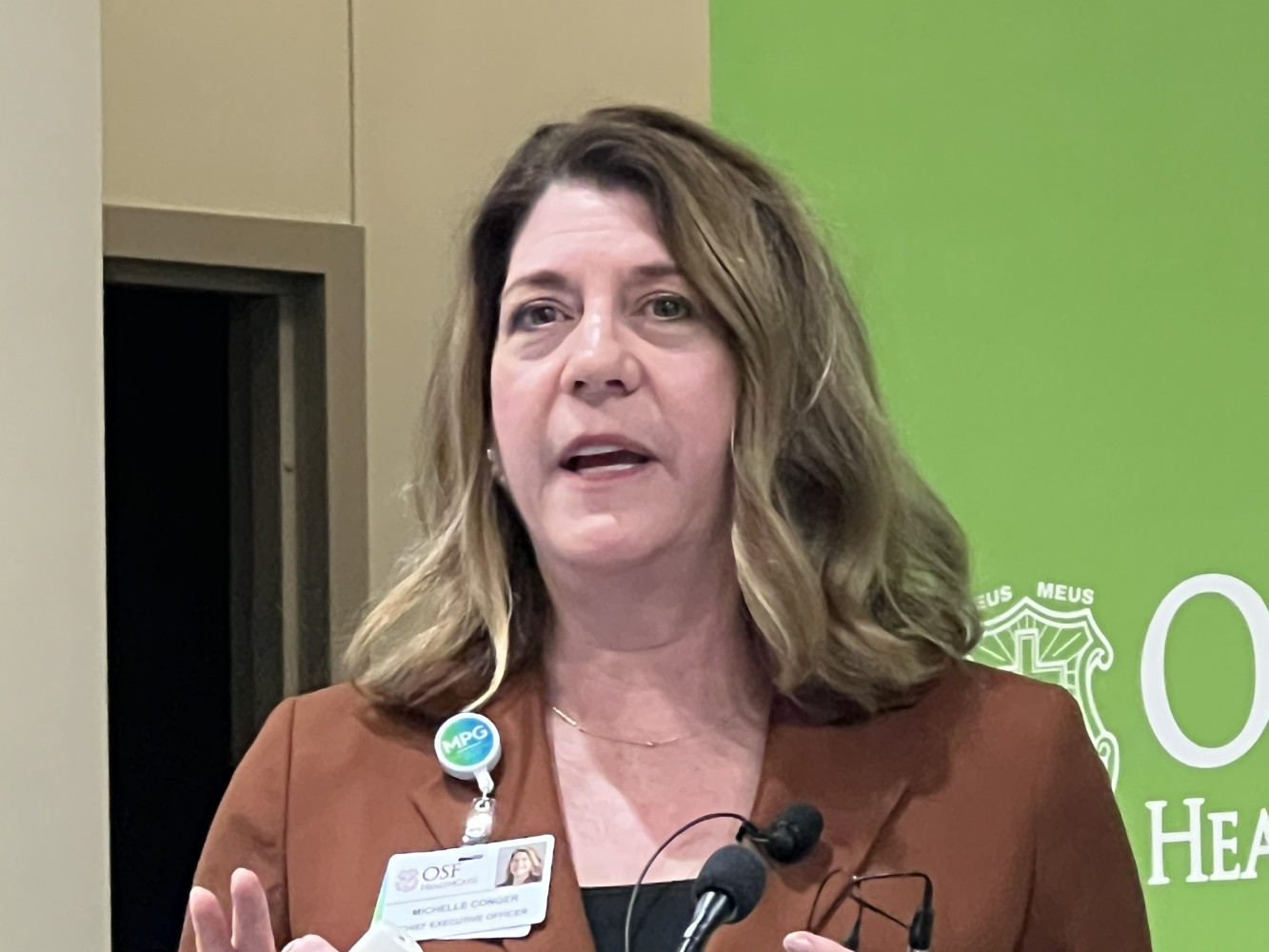
OSF HealthCare CEO Michelle Conger told the OSF OnCall Digital Health Symposium that Pope Leo XIV’s first encyclical, centered on artificial intelligence, gives Catholic health systems a framework to govern the technology with human dignity as the organizing principle.
- Pope Leo XIV’s encyclical on AI provides OSF HealthCare a governance framework prioritizing human dignity over technological efficiency.
- OSF is deploying ambient listening, robotics and automation to reduce administrative burden, targeting revenue-cycle tasks that do not add direct patient value.
- A cross-functional governance board including ethics, human resources and mission leaders evaluates every AI use case for impact on patients and the workforce.
Conger described the document as neither a rejection of AI nor a blank check for adoption, but a call for Catholic organizations to lead in shaping how the technology improves the human condition.
“Human dignity over machines, recognizing that we always, always are keeping a person, a human at the center of the care that we’re providing or the work that we’re doing. Technology and algorithms must serve people rather than reduce them,” Conger said, summarizing the encyclical’s core themes during the symposium.
The health system is already piloting ambient listening, robotics and process automation to offload repetitive administrative work. Conger pointed specifically to the revenue cycle, where significant staff time is spent collecting payments for care already delivered — work she said is necessary but does not directly enhance the patient experience.
“Really thinking of this as a massive opportunity to free our labor to do the things that are far more rewarding than some of the kind of work we have people doing today. We need them. We need all of them,” she said.

Workforce shortages and rising demand from an aging population make that shift urgent. OSF routes every AI proposal through a governance process that includes human resources, mission integration and ethics leaders.
That structure mirrors the encyclical’s emphasis on protecting labor, countering disinformation, educating communities about AI and establishing clear oversight, Conger said. “What’s the impact on the people? Whether that’s our own Mission Partners or that’s the individuals that we’re caring for, the communities they’re in. So, it really is right now, through that governance process we have our human resources team there, we have our Mission people there, we have our ethics people there really helping us think through and make sure we’re making really sound decisions.”
Digital safety net for finding your way
Beyond back-office efficiency, Conger said AI could help patients find their way through a fragmented system. Individuals often struggle to determine where to seek care or how to access services. She envisions technology that understands a person’s background and circumstances at first contact, directing them to the appropriate entry point — a “digital safety net” that reduces delays and mismatched referrals.
Industrial revolution parallel
Conger compared the coming AI transformation to the industrial revolution, a period marked by dislocation and questions about who would be harmed. The encyclical, she said, reinforces the obligation to answer those questions before deployment scales. OSF using Pope’s encyclical to guide AI strategy reported that the health system aims to demonstrate how a Catholic organization can lead through technological change without losing its animating purpose.
That purpose is tied to three system goals: clinical excellence, operating as One OSF, and becoming the destination patients choose regardless of entry point. “The goal should not simply be to do more with technology, but to use it to elevate the work of caregivers, strengthen relationships and improve the health and well-being of the communities OSF HealthCare serves,” Conger said.
Founded in 1877 by the Sisters of the Third Order of St. Francis in Peoria, Illinois, OSF HealthCare operates 17 hospitals with 2,305 licensed beds across Illinois and Michigan. The system employs almost 26,000 Mission Partners and includes two colleges of nursing, with the OSF HealthCare Children’s Hospital of Illinois ranking as the third largest pediatric hospital in the state.
Disclaimer: The information provided in this article is for educational and scientific communication purposes only and does not constitute medical advice. Always consult with a qualified healthcare provider regarding any medical condition, diagnosis, or treatment plan.