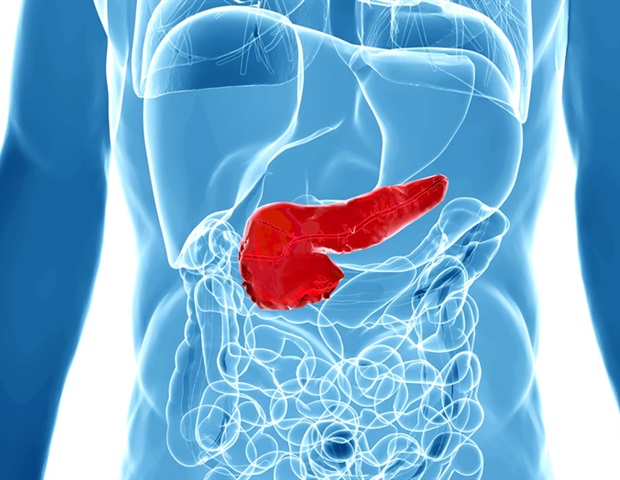
Organ Transplant Survival Rates Improve Despite Persistent Donor Shortages
Modern transplantation medicine is currently navigating a paradoxical landscape. While clinical outcomes and long-term graft survival rates have reached historic peaks due to advancements in immunosuppressive protocols and surgical precision, the physiological demand for donor organs continues to outpace supply. This gap between morbidity-linked organ failure and available donor tissue remains one of the most significant challenges in contemporary public health, necessitating a shift toward both technological innovation and rigorous system-wide optimization.
Key Clinical Takeaways:
- Long-term graft survival is at an all-time high, driven by advancements in post-transplant monitoring and refined pharmacological management.
- The persistent donor shortage necessitates a dual approach: optimizing existing organ procurement logistics and expanding the pool of viable donors through advanced diagnostic screening.
- Systemic efficiency in transplantation relies on the integration of real-time data analytics and standardized quality management frameworks to reduce ischemic time and improve outcomes.
The Evolution of Graft Survival and Immunological Management
The clinical trajectory of solid organ transplantation has been fundamentally altered by the development of precision immunosuppression. By moving away from “one-size-fits-all” drug regimens, transplant surgeons are now able to minimize the risk of chronic rejection while mitigating the long-term toxicity associated with calcineurin inhibitors. Longitudinal data indicates that the reduction in acute rejection episodes, particularly within the first year post-transplant, is a primary driver of the improved survival metrics observed in recent clinical cohorts. This shift requires constant vigilance from board-certified transplant specialists who manage the delicate balance between graft tolerance and opportunistic infection risk.
The integration of advanced biomarker monitoring allows us to detect subclinical rejection long before it manifests as measurable organ dysfunction. This proactive stance is the cornerstone of the modern survival paradigm.
Addressing the Supply Chain: The Role of Data-Driven Logistics
The persistent shortage of donor organs is not merely a biological limitation. This proves an infrastructure challenge. Reducing the time between organ procurement and implantation—the cold ischemic time—is critical to ensuring post-operative function. The adoption of sophisticated organ tracking services has become a standard of care for many high-volume procurement organizations. By providing real-time visibility into the transport lifecycle, these services mitigate the risk of logistical bottlenecks that can lead to graft loss.
For organizations operating within the transplantation ecosystem, the ability to leverage data science to predict donor-recipient compatibility and optimize transport routes is essential. Institutions that fail to modernize their logistics often struggle with suboptimal outcomes that could otherwise be prevented through rigorous quality assurance. For those managing complex transplant programs, working with specialized healthcare consultants is a vital step in aligning operational workflows with the latest clinical standards to ensure that every viable organ reaches its destination.
Diagnostic Innovation and the Future of Transplantation
Beyond logistics, the ability to assess organ viability prior to implantation is undergoing a technological revolution. Emerging diagnostic tools, including artificial intelligence-enhanced imaging and molecular profiling, are allowing teams to evaluate donor organs with unprecedented granularity. These tools help identify potential pathological issues that might have previously gone undetected, effectively increasing the usable donor pool by safely clearing organs that might otherwise be discarded.
As the scientific community continues to refine these diagnostic capabilities, the focus remains on standardizing the evaluation process across all procurement networks. This is particularly crucial for patients awaiting kidney and liver transplants, where the window for intervention is often narrow. Patients and providers seeking to understand the latest developments in transplant eligibility and pre-surgical screening should consult with accredited diagnostic centers that utilize the most current evidence-based protocols.
Navigating the Regulatory and Operational Landscape
The regulatory environment governing organ transplantation is designed to maintain the highest levels of safety and equity. However, the complexity of these requirements can present significant administrative burdens for hospitals and procurement agencies. Ensuring compliance with national standards while maintaining high surgical volume requires a sophisticated understanding of both clinical guidelines and administrative law. Organizations are increasingly relying on healthcare compliance attorneys to navigate these requirements, ensuring that their programs remain robust, transparent and fully aligned with federal oversight mandates.
The future of transplantation lies in the convergence of clinical excellence and systemic optimization. While the biological challenge of organ rejection remains a primary focus of research, the logistical and diagnostic advancements of the current era are proving that People can significantly improve the lives of patients even within the constraints of a limited donor supply. As we continue to refine the standard of care, the synthesis of high-fidelity data and expert clinical judgment will remain the primary drivers of success in this life-saving field.
Disclaimer: The information provided in this article is for educational and scientific communication purposes only and does not constitute medical advice. Always consult with a qualified healthcare provider regarding any medical condition, diagnosis, or treatment plan.