
Hungary secures Temporary U.S. Sanctions exemption for Russian Energy Imports Amidst Refinery Upgrades
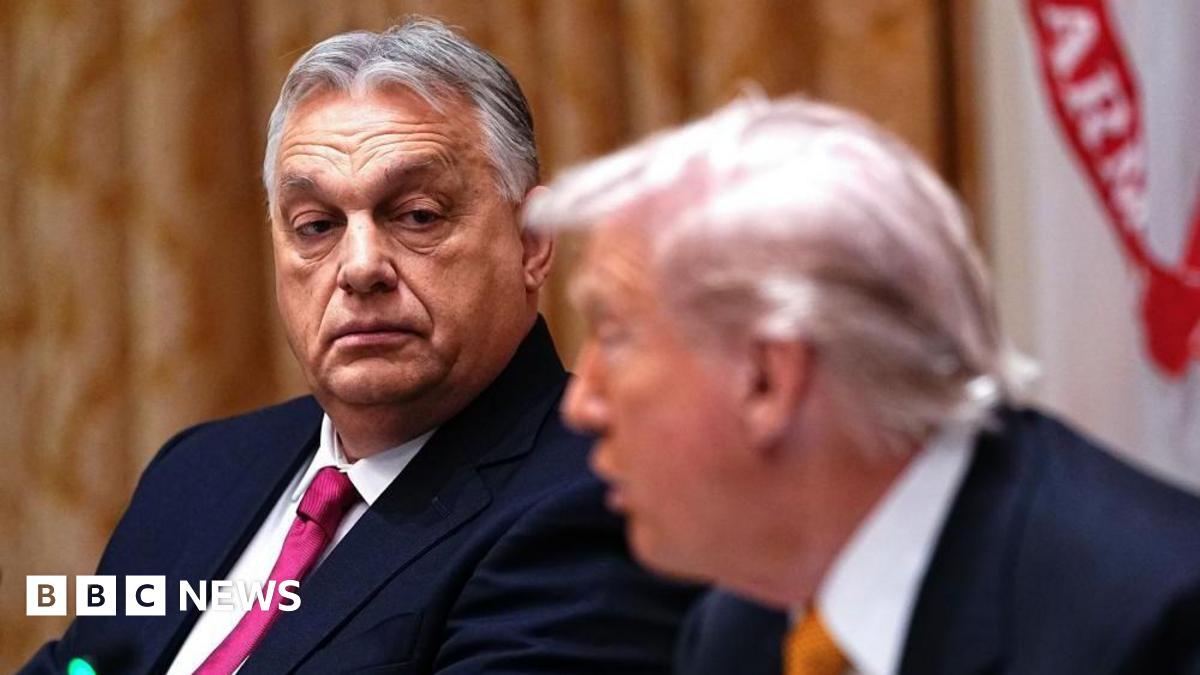
WASHINGTON – Hungarian Prime Minister Viktor Orbán’s recent visit to Washington yielded a time-limited exemption from U.S.sanctions on Russian oil, gas, and nuclear supplies, a concession secured ahead of upcoming elections in April.While presented as a key win for Orbán, the agreement came with a hard-fought trade deal for the U.S. and does not resolve Hungary’s broader challenges related to the war in Ukraine.
A White House official confirmed the sanctions exemption is limited to one year,despite hungarian Foreign Minister Péter Szijjártó’s assertion that it would be indefinite. The timing of the exemption aligns with both the approach of the Hungarian election and the european Commission’s goal for all member states to end imports of Russian energy by the end of 2027. However, unlike the Czech government, Orbán has not made a political commitment to meet the EU’s deadline.
The EU is currently attempting to tighten energy sanctions against Russia, a move opposed by both Hungary and Slovakia.
Away from public view, Hungary’s energy company MOL has been investing in upgrades to its Százhalombatta refinery in Hungary and the Slovnaft facility in Bratislava, Slovakia, to process Brent crude oil instead of Russian Urals crude. MOL announced Friday that 80% of its oil needs could be met through the Adria pipeline from Croatia, though this alternative carries increased logistical costs and technical risks.
This development suggests Orbán’s claim that Hungary,as a landlocked nation,has no alternative to Russian oil may not be entirely accurate. Between February 2022, when Russia’s full-scale invasion of Ukraine began, and the end of 2024, Hungary and Slovakia collectively paid Russia $13 billion (£10 billion) for oil.
