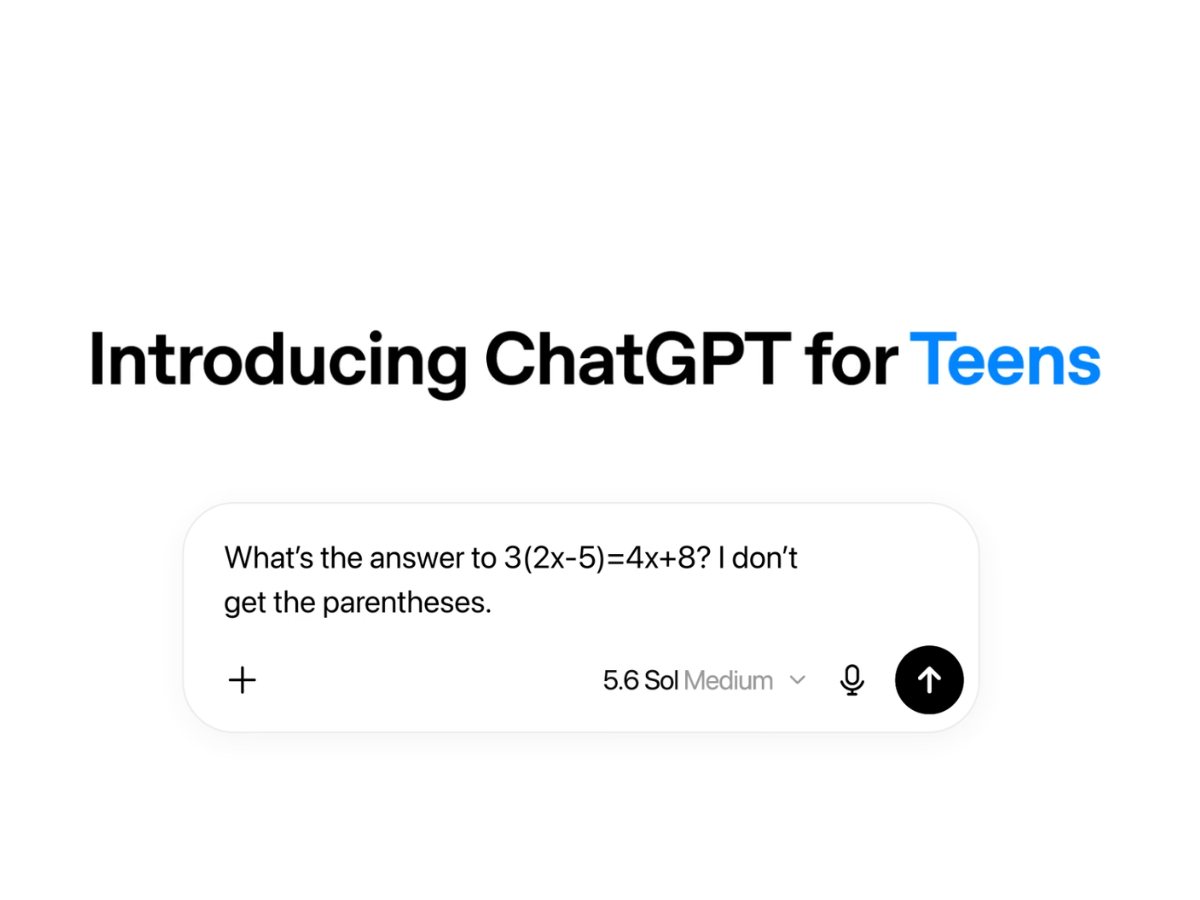
OpenAI Launches ChatGPT for Teens With Enhanced Safety and Study Tools
OpenAI Rolls Out ChatGPT for Teens with Study Tools and Default Safety Controls
OpenAI launched ChatGPT for Teens on August 18, 2026, introducing a version for users ages 13 to 17 featuring automated age-tier placement, study-oriented tools, and content restrictions. The system automatically provisions the teen environment whenever account metrics or self-reported data estimate the user is under 18. This deployment arrives as regulators scrutinize consumer AI platforms regarding youth safety.
The Tech TL;DR: What Enterprise IT and Parents Need to Know
- Automated Gating: Accounts identified as belonging to users aged 13 through 17 are provisioned into the teen-specific profile without requiring a formal photo ID check.
- Pedagogical Safeguards: Integration of “Study Mode” and CodeAI learning modules helps students work through problems step-by-step.
- Hardened Guardrails: Default safety configurations limit self-harm, suicide, sexual, and romantic conversational roleplay while disabling emotional dependency cues.
Architectural Restrictions and Content Filtering Layers
ChatGPT for Teens is designed to suppress conversational vectors that simulate emotional reciprocity. According to OpenAI child-development lead Allison Mishkin, the company identified model cues that could contribute to a teenager developing a relationship with the chatbot. The updated under-18 system card evaluations show enforcement across sensitive categories, including eating disorders, violence, and dangerous activities.

This consumer-facing deployment prioritizes behavioral guardrails. Parents can link their accounts to manage Quiet Hours, control voice mode configurations, and adjust group chat permissions. However, parents are prevented from reading raw conversation logs, balancing privacy with oversight by routing safety alerts to guardians only during high-risk scenarios.
Pedagogical Integration and CodeAI Collaboration
ChatGPT for Teens incorporates an active learning workflow. When users query factual or analytical questions, homework reminders intercept shortcuts, steering them to invoke Study Mode. This interface delivers step-by-step prompts, quizzes, and data visualizations designed to support understanding.

To scale educational deployment, OpenAI partnered with CodeAI to distribute supplementary resources for classrooms. “Every student should know how AI actually works and be able to question the technology, catch its mistakes, and know when to stop trusting it,” said CodeAI CEO Karim Meghji.
Regulatory Pressures and Industry Landscape
This software update deploys amid legal scrutiny facing major artificial intelligence and social media firms. According to reporting from CNBC, Meta faces a trial involving 29 state attorneys general regarding teen addiction liabilities. Simultaneously, OpenAI navigates state-level investigations by Florida Attorney General James Uthmeier, alongside inquiries from the Federal Trade Commission regarding the impact of conversational agents on minors.
Implementation Example: Managing API Safety Parameters
{
  "model": "chatgpt-4o-teen",
  "messages": [
    {"role": "system", "content": "Enforce Socratic study mode and restrict emotional dependency cues."},
    {"role": "user", "content": "Help me solve this quadratic equation step-by-step."}
  ],
  "temperature": 0.3,
  "safety_settings": {
    "self_harm": "block_all",
    "sexual_content": "block_all",
    "romantic_roleplay": "prohibit"
  }
}
As the gradual rollout reaches global user bases over its initial two-week deployment window, developers and IT consultants must verify that account-level attributes correctly trigger the guarded model weights.
Editorial Kicker
OpenAI’s pivot toward constrained, pedagogically driven interactions for minors marks a shift toward guarded utility. While algorithmic guardrails cannot replace offline human intervention or clinical mental health support—such as the Suicide & Crisis Lifeline available at 988—the technical enforcement of conversational boundaries establishes a new baseline for consumer AI architecture.
Disclaimer: The technical analyses and security protocols detailed in this article are for informational purposes only. Always consult with certified IT and cybersecurity professionals before altering enterprise networks or handling sensitive data.