On’s Swiss Made Label Sparks Outcry & Legal Challenge
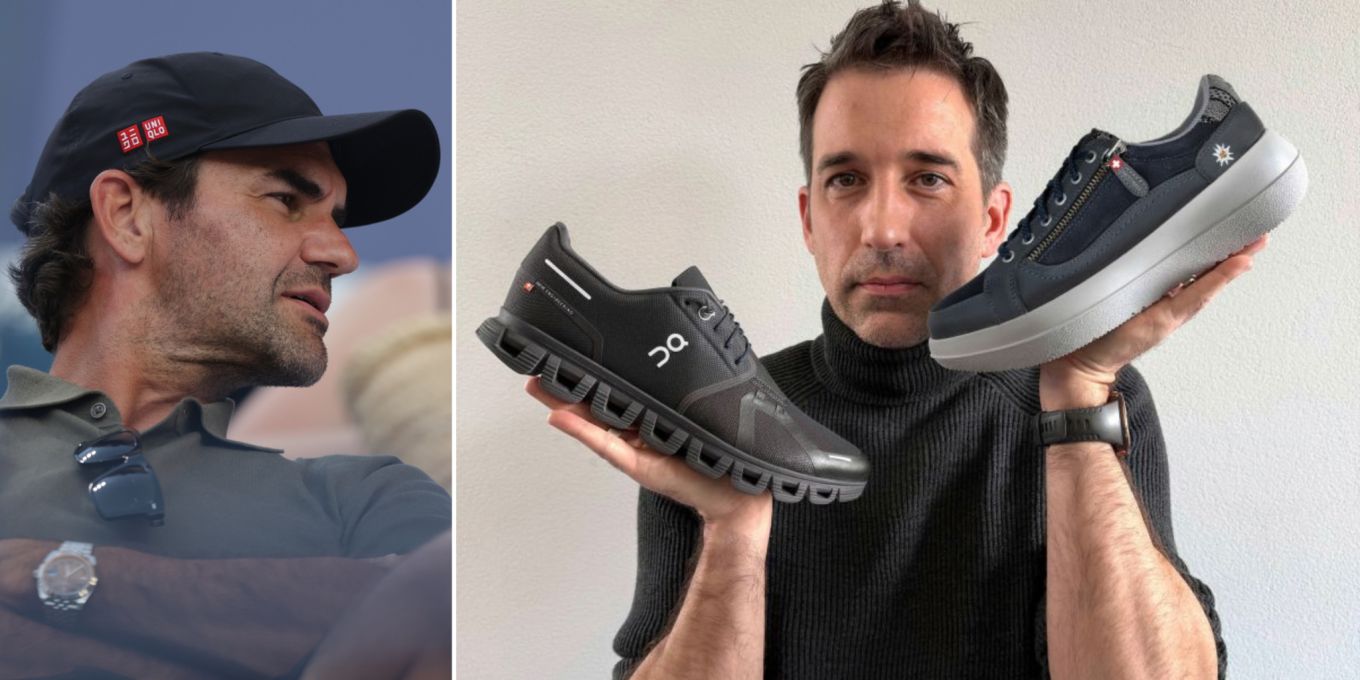
A decision by the Swiss Federal Institute of Intellectual Property (IGE) to adjust its interpretation of “Swissness” rules has ignited a dispute among Swiss shoe manufacturers, with legal challenges looming. The ruling, which allows the use of the Swiss cross on products developed in Switzerland even if manufactured abroad, has been welcomed by On, the shoe brand fronted by Roger Federer, but sharply criticized by competitors who argue it devalues the symbol of Swiss quality, and craftsmanship.
The IGE’s revised stance permits companies to display the Swiss cross if a product’s development takes place within Switzerland, regardless of where We see ultimately produced. This decision directly benefits On, which has faced scrutiny over its manufacturing locations. According to a statement reported by blue News, the move came after years of lobbying by the company.
Claudio Minder, Co-CEO of the kybun Joya Group, has been particularly vocal in his opposition. Minder, who produces his shoes entirely in Switzerland, expressed concern that the new practice reduces the Swiss cross to a mere “marketing label.” In a LinkedIn post, Minder stated, “For many, the Swiss cross is now simply a marketing label.” He emphasized that kybun and Kandahar shoes are made in Sennwald, Switzerland, adhering to Swiss standards and costs. Minder questioned the meaning of the Swiss cross if applied to shoes “produced in Asia.”
Roberto Martullo, owner of Künzli Swissschuh AG, also voiced opposition, stating the IGE was “giving in to the great pressure from On,” according to the AWP news agency. Martullo indicated his company is examining potential legal action. He warned that the new practice “opens the door for all companies that have no connection to Switzerland to use the Swiss cross,” potentially damaging Switzerland’s international image and disadvantaging companies committed to domestic production.
Martullo subsequently reinforced his stance on LinkedIn, declaring, “We will exhaust all legal means to ground this Lex On.” He received a pledge of support from Minder, who stated on LinkedIn that he would support Martullo “100 percent,” adding that the new regulation would affect numerous industries and constitutes a “real consumer scam.”
The controversy centers on the interpretation of “Swissness,” traditionally understood to encompass both development and production within Switzerland. Critics argue that decoupling these elements undermines the value associated with the Swiss cross, which historically signified quality, responsibility, and local origin. The potential for legal challenges suggests the dispute is far from resolved, and the future of the Swiss cross as a symbol of national identity and product quality remains uncertain.