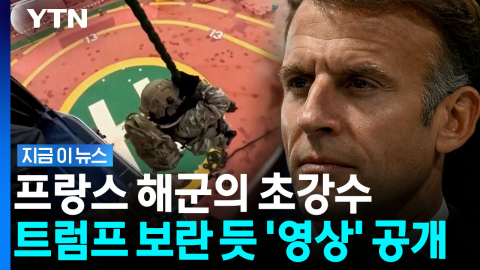
On October 12, 2026, the French Navy intercepted and boarded the oil tanker DF Peak approximately
On October 12, 2026, the French Navy intercepted and boarded the oil tanker DF Peak approximately 450 nautical miles south of Réunion Island in the Indian Ocean, m.ytn.co.kr reported. French President Emmanuel Macron announced the operation on X, formerly Twitter, stating that the vessel was operating under a false flag and engaging in illicit fuel transport activities.
French Navy Boards DF Peak in the Indian Ocean
The DF Peak was flying the flag of Benin in West Africa at the time of the interception, according to AFP data cited in the reports. French forces conducted a search and inspection aboard the vessel under international maritime law. Macron emphasized that the action demonstrates France’s resolve to uphold the rule of law and counter illicit trafficking anywhere in the world. He also shared a seven-second video clip of the naval operation.
The targeted vessel belongs to the so-called shadow fleet—a network of ships with frequently altered flags and names that Russia has utilized since its February 2022 invasion of Ukraine to bypass Western petroleum export sanctions. The DF Peak operated under the name Kaliningrad prior to 2024 and currently sits on the European Union sanctions list alongside approximately 700 other vessels. Under current EU guidelines, member states possess the authority to seize and liquidate cargo such as petroleum from vessels caught violating these sanctions.
Moscow Responds to Maritime Seizures
Russian authorities have strongly condemned the enforcement measures taken by European nations. Russian President Vladimir Putin previously characterized such ship seizures as acts of piracy and highway robbery.
France executed this boarding operation against a backdrop of mounting tension in Europe regarding energy policy. U.S. President Donald Trump recently announced an agreement with Putin to supply Russian diesel on a large scale to American and global markets. Aiming to stabilize energy prices and mitigate voter backlash over high fuel costs ahead of the November midterm elections, the U.S. administration chose to ease certain sanctions on Russia.
European Union Maintains Sanctions Despite U.S. Policy Shifts
Ukrainian President Volodymyr Zelenskyy criticized the U.S.-Russia agreement, calling it a gift from Trump to Putin. In response, Trump asserted that Ukraine is due for a new president. Meanwhile, the European Union has made clear its intention to maintain and strengthen its sanctions against Moscow regardless of Washington’s actions.
Kaja Kallas, the EU High Representative for Foreign Affairs and Security Policy, publicly urged the United States to impose new sanctions on Russia rather than pursuing diesel import agreements. As European maritime forces actively intercept shadow fleet vessels in distant waters, diplomatic friction between transatlantic allies over Russian energy isolation continues to intensify.