
Ancient RNA Reveals Insights into Mammoth‘s Final Moments & Potential for Pandemic Origins
For the first time, scientists have successfully isolated and sequenced RNA from a 40,000-year-old woolly mammoth, challenging the long-held belief that RNA is too unstable to survive for extended periods after death. The breakthrough, detailed in a study published in the journal Cell, offers a new window into the biology of extinct species.
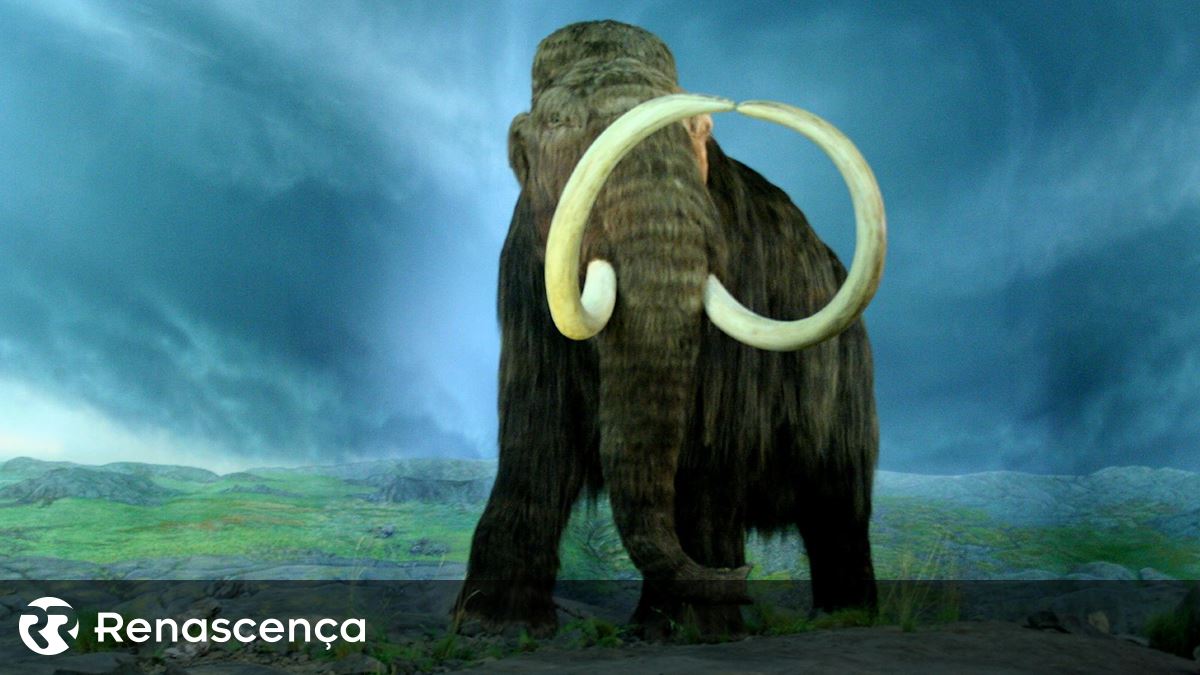
RNA, a molecule crucial for protein synthesis and gene regulation, is structurally similar to DNA but typically degrades much faster. Researchers analyzed RNA extracted from muscle tissue of “Yuka,” a remarkably well-preserved mammoth calf discovered in the Siberian permafrost.This RNA represents the oldest ever recovered.
“We are observing the physical and metabolic state of the mammoth’s muscle shortly before death,” explained Emilio Mármol, lead author of the study, highlighting RNA’s short half-life – typically minutes to hours. “This is information that cannot be obtained with DNA alone.”
The analysis revealed molecular markers indicative of stress within Yuka’s muscle tissue. These markers correlate with physical trauma previously suggested by studies of her remains, perhaps indicating injury from a predator, such as cave lions. however, researchers caution that the stress signals could also be a result of the cellular processes occurring during death, or a combination of both.
Beyond the insights into Yuka’s life, the successful RNA recovery has broader implications. The research team identified RNA encoding muscle structural components and regulatory microRNAs, providing a snapshot of the metabolic processes active in Yuka’s final moments.
Furthermore, the preservation of RNA for tens of thousands of years suggests the possibility of recovering RNA viruses from ancient remains. according to Love Dalén, a study author, this could allow scientists to trace the evolutionary history of viruses like influenza and coronaviruses. Analyzing RNA viruses from ancient infected individuals could illuminate how these viruses have changed over time and potentially even reveal the origins of past pandemics.
Future research aims to integrate analysis of ancient RNA with DNA, proteins, and other biomolecules, promising a more complete understanding of extinct megafauna and the complex biological processes preserved within ancient remains.
