
Oil Prices Drop on Reports of US Iran Ceasefire Proposal
Crude oil prices experienced a significant downturn Wednesday, with Brent futures briefly falling below $100 per barrel amid reports of a potential ceasefire in the Middle East, roughly a month after the joint U.S.-Israel action against Iran. Initial optimism quickly tempered as Iran signaled a counter-proposal demanding control of the Strait of Hormuz, injecting renewed uncertainty into global energy markets and prompting a reassessment of risk premiums.
The Geopolitical Premium Unwinds – For Now
The initial market reaction was swift. Brent crude, the international benchmark, plummeted as much as 7% in early trading before stabilizing around $98.16 per barrel, a 1.73% decline from the previous session. West Texas Intermediate (WTI), the U.S. Benchmark, also retreated, closing at $91.33, though it too experienced a more substantial intraday dip to $88. This volatility underscores the market’s hypersensitivity to geopolitical developments in the region, a sensitivity that has been amplified by ongoing supply chain disruptions and the broader macroeconomic climate. The core issue isn’t simply price; it’s the potential for a rapid recalibration of risk assessments, leaving energy companies and their investors scrambling to adjust.
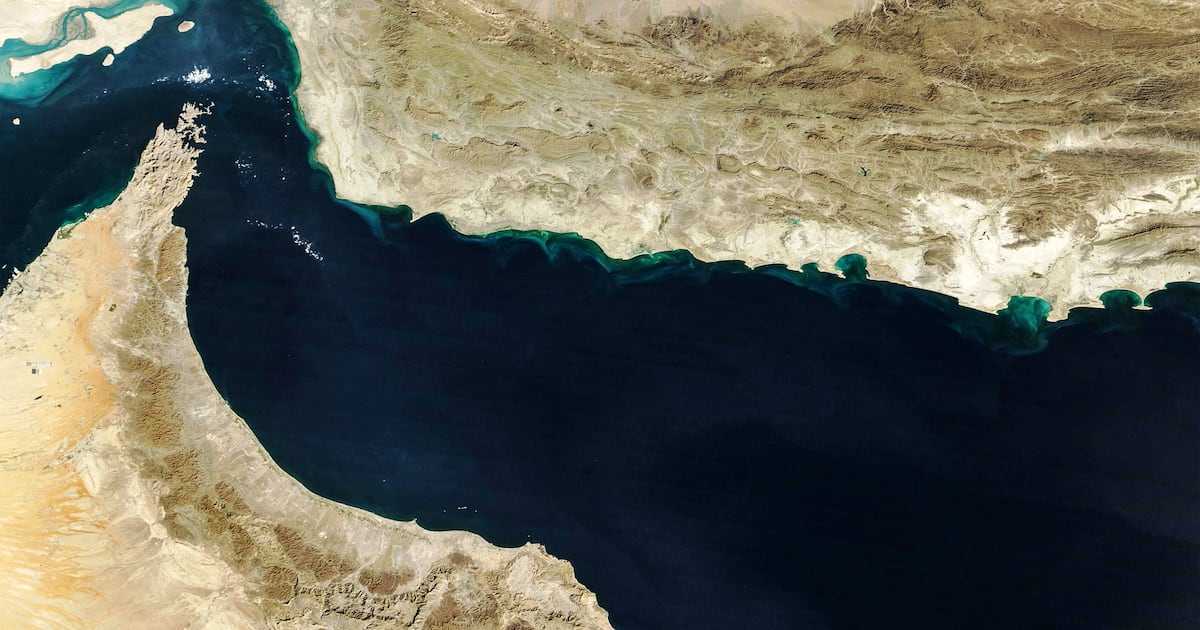
The proposed 15-point U.S. Plan, delivered through Pakistan, aimed to de-escalate tensions following the recent strikes on Iranian soil. However, Iran’s initial rejection, coupled with its demand for control over the strategically vital Strait of Hormuz – a choke point for roughly 20% of global oil supply – immediately complicated matters. This counter-proposal isn’t a gesture toward peace; it’s a power play. The implications for maritime shipping and insurance rates are substantial and companies reliant on stable energy supplies are already factoring in increased costs.
Iran’s Calculated Ambiguity
Despite the public dismissal, reports from Reuters indicate that Iranian officials are still considering the U.S. Proposal. This ambiguity is deliberate, allowing Tehran to maintain leverage while assessing the potential benefits and drawbacks of a negotiated settlement. The internal dynamics within the Iranian government are complex, with hardliners publicly rejecting any concessions to the Trump administration, while pragmatic voices may recognize the need for a diplomatic solution to avoid further escalation.
“The market is currently pricing in a best-case scenario – a quick resolution to the conflict. However, the reality is far more nuanced. Iran’s demand for control of the Strait of Hormuz is a non-starter for the U.S. And its allies, and any prolonged negotiations will likely keep oil prices elevated.” – Dr. Emily Carter, Portfolio Manager, BlackRock.
The situation demands a sophisticated understanding of geopolitical risk and its impact on energy markets. Companies operating in the region, or heavily reliant on Middle Eastern oil, need robust risk management strategies and contingency plans. This is where specialized expertise becomes invaluable. Global risk management consulting firms are seeing a surge in demand for scenario planning and geopolitical intelligence services.
The Impact on Global Supply Chains and Refining Margins
The price volatility isn’t just about crude oil. It ripples through the entire energy value chain, impacting refining margins, transportation costs, and consumer prices. Refiners, already grappling with tight feedstock supplies and fluctuating demand, are facing increased uncertainty. According to the U.S. Energy Information Administration (EIA), crude oil inventories have been steadily declining, exacerbating the supply-demand imbalance. This situation is particularly acute for independent refiners, who lack the integrated supply chains of the major oil companies.
The potential for further escalation, or even a prolonged stalemate, could lead to significant disruptions in oil supply, pushing prices back above $100 per barrel and potentially triggering a broader economic slowdown. The impact would be felt most acutely in emerging markets, which are heavily reliant on imported oil and have limited capacity to absorb price shocks.
Navigating the Legal Complexities
The geopolitical tensions also create a complex legal landscape for companies operating in the region. Sanctions, export controls, and potential asset seizures pose significant risks. Specialized international trade law firms are advising clients on navigating these challenges and ensuring compliance with evolving regulations. The need for proactive legal counsel has never been greater.
the uncertainty surrounding the conflict is impacting investment decisions in the energy sector. Companies are delaying or canceling projects, fearing that they may turn into stranded assets if the geopolitical situation deteriorates. This hesitancy could lead to a supply shortfall in the long term, even if a ceasefire is eventually reached.
Looking Ahead: A Volatile Fiscal Quarter
The next fiscal quarter will be critical. The market will be closely watching for any signs of progress in the negotiations between the U.S. And Iran. However, even if a ceasefire is achieved, the underlying tensions in the region will remain, and the risk of future disruptions will persist. The current situation highlights the importance of diversification and resilience in energy supply chains. Companies need to explore alternative sources of energy, invest in energy efficiency, and develop robust risk management strategies.
“We’re advising our clients to stress-test their portfolios against a range of scenarios, including a prolonged conflict in the Middle East and a significant disruption to oil supply. The key is to be prepared for anything.” – James Harding, Partner, Kirkland & Ellis LLP.
The current volatility also presents opportunities for sophisticated investors. Those who can accurately assess the risks and identify undervalued assets may be able to generate significant returns. However, this requires a deep understanding of the geopolitical landscape and the energy markets.
The situation demands a proactive and informed approach. Don’t navigate these turbulent waters alone. The World Today News Directory connects you with vetted financial advisory services and expert consultants who can assist you mitigate risk, capitalize on opportunities, and secure your financial future. The energy landscape is shifting, and preparedness is paramount.