
Ocean Acidification Threatens to Weaken Shark Teeth,New Research Reveals
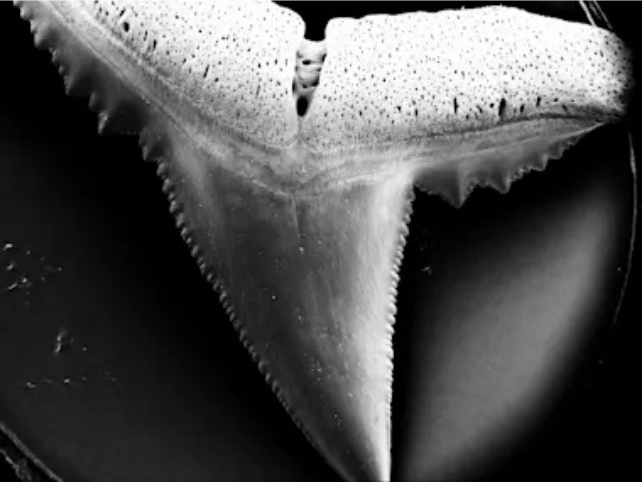
New research published August 27,2025,in Frontiers in Marine Science demonstrates that increasing ocean acidity is causing measurable corrosion to shark teeth,potentially impacting the ability of these vulnerable predators to hunt and survive. The study,conducted by researchers examining teeth incubated in acidic water,reveals significant damage even after just eight weeks,raising concerns about the long-term health of shark populations already facing numerous threats.
The research team found that exposure to a pH of 7.3 – a level projected for oceans in the coming decades due to rising carbon dioxide levels – led to noticeable corrosion of the teeth’s enamel-like outer layer. This degradation could lead to reduced bite force, difficulty capturing prey, and increased nutritional needs for sharks.
“It’s a reminder that climate change impacts cascade through entire food webs and ecosystems,” explains lead researcher Steffen Köhler.
Beyond teeth, the study suggests ocean acidification could also compromise sharks’ dermal denticles – the tooth-like scales covering their bodies – impacting their hydrodynamics and increasing energy expenditure. Moreover, the research highlights potential impacts on growth rates, hatching success, and chemoreceptor sensitivity in various shark species.
These findings are particularly alarming given that many shark populations are already severely depleted due to overfishing,with over 70% already wiped out. While the study utilized discarded teeth,and the effects on teeth in situ may differ,the research underscores the complex and often unpredictable consequences of climate change on marine life. Some elasmobranchs (sharks, skates, and rays) exhibit an ability to regulate blood pH, but the long-term capacity to adapt remains uncertain.
The study adds to growing evidence that the world’s oceans are rapidly becoming too acidic to sustain life, demanding urgent action to mitigate climate change and protect vulnerable marine ecosystems.
