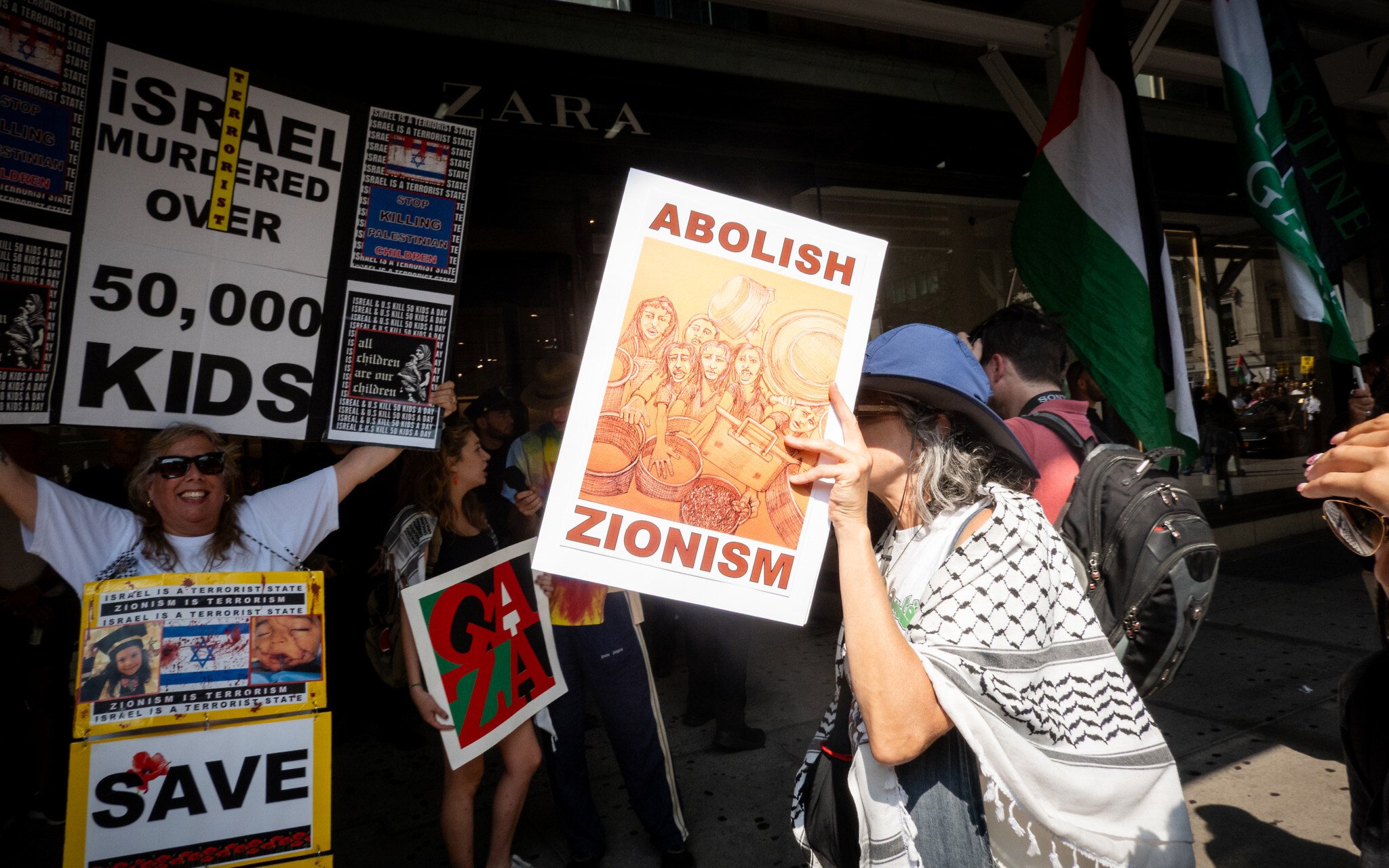
NYC Garden Settles Lawsuit, Drops Ban on Zionist Members
The Sunset Community Garden in Queens has reached a settlement with New York City officials to resolve a high-profile legal dispute over membership requirements. The agreement ends a years-long conflict centered on whether a garden operating on city land can mandate specific ideological commitments from its members as a condition of participation.
This resolution is more than a local truce. it is a landmark intersection of municipal land-use policy and the First Amendment. For years, the garden functioned as a sanctuary for marginalized voices, but that sanctuary became a legal battleground when the city’s parks agency stepped in to challenge the garden’s restrictive membership criteria. The core of the problem lay in the tension between a community’s desire to maintain a “safe space” through ideological litmus tests and the city’s mandate to ensure public resources remain open to all, regardless of political or religious belief.
When a grassroots organization manages a public asset, the line between private association and public accommodation blurs. This ambiguity often leads to costly litigation. For many community groups facing similar pressures, the first line of defense is often securing civil rights lawyers who can navigate the precarious balance between protected speech and prohibited discrimination.
The Paradox of Publicly-Owned Green Spaces
New York City’s community garden network is a patchwork of precarious leases and licenses. Most of these spaces are not owned by the gardeners but are leased from the city or other municipal entities. This arrangement creates a fundamental paradox: while the gardeners provide the labor and the vision, the city provides the land and the legal framework. When the two visions diverge—particularly on matters of political inclusivity—the city typically holds the ultimate leverage via the license agreement.
In this specific case, the dispute escalated when the city alleged that the garden’s requirements for members to adhere to specific anti-Zionist views violated city guidelines. The garden countered that these requirements were essential to protecting its members from hate speech and creating an environment of safety for oppressed groups. This clash highlights a growing trend in urban centers where “community agreements” are used to curate social environments, sometimes in direct conflict with broader non-discrimination laws.
Navigating these municipal licenses is a logistical and legal minefield. Organizations often find themselves in need of municipal law specialists to ensure their operating agreements do not inadvertently trigger a vacate order or a breach of contract.
“The fundamental challenge in urban land-use law today is the conflict between the ‘right to the city’—the idea that marginalized groups can reclaim space for their own protection—and the ‘universal access’ mandate of municipal government. When a public space adopts a political litmus test, it ceases to be a public utility and becomes a private club, which is a precarious legal position when the land is owned by the taxpayer.”
The Weight of the New York City Human Rights Law
Central to the city’s position is the New York City Human Rights Law (NYCHRL), one of the most robust and expansive non-discrimination statutes in the United States. The NYCHRL prohibits discrimination based on a wide array of characteristics, including religion and national origin, in “public accommodations.”
The city’s argument rested on the premise that a community garden, by virtue of its location on city land and its role in providing local food and recreation, functions as a public accommodation. Barring individuals based on their political beliefs—specifically those related to Zionism—could be interpreted as a violation of the law if those beliefs are tied to religious or national identity.
The settlement indicates a move toward a middle ground. By dropping the ideological requirements, the garden preserves its existence and its access to the land, while the city ensures that the space remains open to a broader segment of the Queens community. However, the transition from a curated ideological space to an open public space is rarely seamless. It often requires professional conflict resolution experts to manage the social friction that arises when previously excluded groups are welcomed back into a tight-knit community.
Broader Implications for Urban Agriculture
This case serves as a warning for other community-led initiatives across the five boroughs and beyond. As urban agriculture becomes more integrated into city climate and health strategies, the oversight of these spaces is likely to increase. The “wild west” era of community gardens—where groups could operate with high degrees of autonomy and minimal municipal interference—is rapidly closing.

We are seeing a shift toward formalization. Gardens are being encouraged to adopt transparent bylaws, formal membership applications and clear grievance procedures that align with city-wide standards. While this brings stability and legal protection, some activists argue it strips these spaces of their radical, grassroots essence.
The resolution in Queens suggests that the city is unwilling to tolerate ideological exclusivity in spaces it controls. This sets a precedent: the more a community project relies on municipal infrastructure, the more it must adhere to the city’s definition of inclusivity.
The settlement of the Sunset Community Garden dispute is a reminder that in a city as dense and diverse as New York, the struggle over a few square feet of soil is rarely just about gardening. It is a struggle over who belongs, who decides, and what the price of “safe space” is in a public society. As more communities seek to carve out identities within the urban sprawl, the legal boundaries of inclusivity will continue to be tested in the courts and in the dirt.
For those navigating the complexities of municipal disputes or seeking to establish legally sound community organizations, finding verified, experienced professionals is the only way to avoid the years of litigation seen in this case. The World Today News Directory remains the definitive resource for connecting community leaders with the legal and civic experts equipped to handle the evolving landscape of urban governance.