
Indonesia Proposes Nutrition Education in National Curriculum
Jakarta, Indonesia – The National Nutrition Agency (BGN) has put forth a proposal to the Ministry of Primary and Secondary Education, advocating for the inclusion of nutrition lessons within the national curriculum. This initiative aims to cultivate healthy, intelligent, and competitive indonesian generations.
Ikeu Tanziha, a nutrition expert at the BGN, highlighted the critical role of structured and integrated nutrition education in schools. “Nutrition is not only about food, but about the future,” Tanziha stated. “Children who understand nutrition will grow up healthy, think critically, and contribute to the nation.”
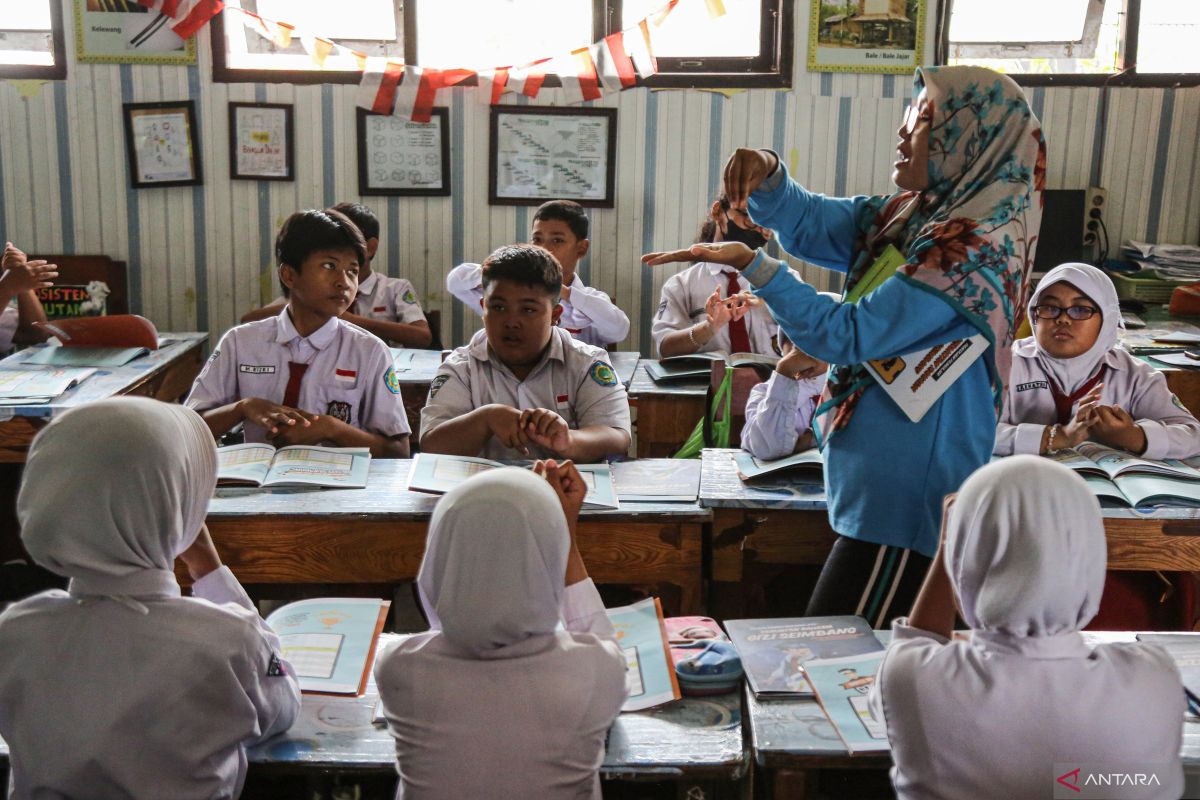
Schools are identified as ideal environments for the systematic dissemination of nutritional knowledge. Early exposure to nutrition education can empower students to grasp the connection between food,health,and overall well-being,thereby encouraging healthier life choices. The proposed curriculum is expected to cover fundamental nutrition concepts, food groups, appropriate portion sizes, the functions of nutrients in the body, and the repercussions of poor dietary habits.
Moreover,nutrition education is seen as a vital tool in preventing health issues such as obesity and diabetes through the promotion of balanced diets. The program also intends to equip students with practical skills, including cooking and gardening, applicable to daily life.
The BGN,responsible for overseeing nutrition policy,has already initiated various educational efforts,including content shared on platforms like YouTube. The agency is also actively implementing the Free Nutritious Meals (MBG) program,which supports children under five,pregnant and breastfeeding women,and schoolchildren up to the high school level to enhance their nutritional status.
Tanziha expressed optimism that integrating nutrition into the curriculum will foster greater collaboration between schools, families, and communities in promoting healthy eating habits.
Frequently Asked Questions
Q: What is the main goal of including nutrition lessons in the Indonesian national curriculum?
A: The primary objective is to foster healthy, intelligent, and competitive generations of Indonesians.
Q: Why are schools considered ideal for nutrition education?
A: Schools provide a structured platform to systematically disseminate knowledge about nutrition, helping students understand the link between food, health, and well-being from an early age.
Q: what topics are expected to be covered in the proposed nutrition curriculum?
A: Key topics include the basics of nutrition, food groups and portion sizes, the role of nutrients, and the consequences of poor dietary habits.
Q: How can nutrition education help prevent health issues?
A: By promoting balanced diets, nutrition education can help prevent conditions like obesity and diabetes.
Q: What other initiatives is the BGN undertaking to improve nutrition?
A: The BGN is implementing the Free Nutritious Meals (MBG) program and sharing educational content on platforms like YouTube.
This content is for informational purposes only and does not constitute health, financial, or legal advice.Consult with qualified professionals for personalized guidance.
what are your thoughts on integrating nutrition education into schools? Share your insights in the comments below and subscribe to World Today News for more updates!
