
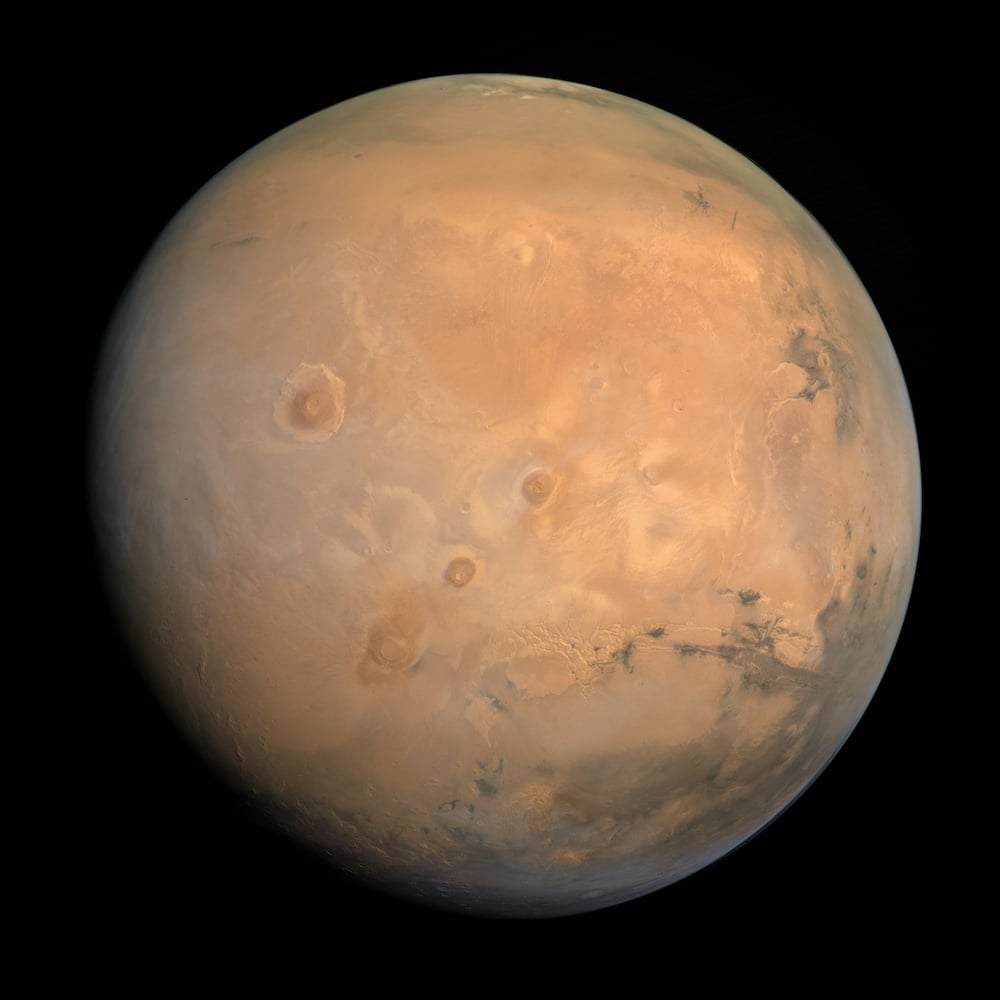
nuclear Propulsion: ESA’s Plan to Halve Mars Travel Time
Table of Contents
The European Space Agency (ESA) is pioneering research into nuclear thermal propulsion,a technology that could dramatically shorten the journey to Mars. The “Alumni” project aims to reduce travel time from approximately nine months to just four or five, marking a meaningful leap in space exploration capabilities.
Current rocket technology relies on chemical propulsion, wich is limited by the amount of fuel and oxidizer a spacecraft can carry. This limitation makes long-duration missions, like those to Mars, incredibly challenging and expensive. nuclear propulsion offers a more efficient alternative by using a nuclear reactor to heat a propellant, such as hydrogen, which is then expelled to generate thrust.
how Nuclear Thermal propulsion Works
Instead of burning fuel, a nuclear reactor heats a propellant like hydrogen to extreme temperatures. The superheated gas is then expelled through a nozzle,creating thrust. This process is far more energy-efficient than traditional chemical rockets, allowing for faster acceleration and shorter travel times. According to a 2021 study by the American Institute of Aeronautics and Astronautics, nuclear thermal propulsion could provide twice the specific impulse (a measure of engine efficiency) of chemical rockets 1.
Did You Know? …
Nuclear rockets could cut Mars trip times in half, reducing astronauts’ exposure to harmful cosmic radiation during long spaceflights.
Safety Measures and Design
The “Alumni” project prioritizes safety through careful design and operational protocols. The nuclear reactor is designed to be activated only when the spacecraft is in a safe orbit, far from Earth. Before activation, the uranium fuel has very low radioactivity and is non-toxic. Multiple radiation shields protect the crew during engine burns, which are designed to last less than two hours. the reactor is also designed to never return to Earth’s atmosphere.
ESA’s commitment to safety aligns with international standards for space nuclear power systems. The United Nations’ “Principles Relevant to the Use of Nuclear Power Sources in Outer Space” provides a framework for ensuring the safe and responsible use of nuclear technology in space 2.
Advantages of Nuclear Propulsion
Nuclear rockets offer several key advantages over chemical rockets:
- Shorter Travel Times: Missions to Mars could be reduced from nine months to four or five.
- Increased Efficiency: Nuclear reactors produce far more energy per unit of fuel.
- Reduced Radiation Exposure: Shorter travel times mean less exposure to cosmic radiation for astronauts.
These engines are especially well-suited for large spacecraft that require significant velocity changes, making them ideal for missions to the Moon and mars.
Pro Tip: …
nuclear thermal propulsion is most effective for missions requiring large velocity changes, such as landing on and departing from planetary surfaces.
Challenges and Future Development
while nuclear thermal propulsion holds immense promise,significant challenges remain. These include:
- Laboratory testing of new ceramic-metal reactor designs.
- Building safe testing facilities.
- sourcing fuel and developing reactor restart systems.
Despite these challenges, ESA’s research demonstrates the feasibility of nuclear propulsion for long-term development. The agency’s expertise in this area could usher in a new era of space exploration, making distant worlds more accessible than ever before.
Comparison of Propulsion Systems
| Propulsion type | Specific Impulse (seconds) | travel Time to Mars | Fuel efficiency |
|---|---|---|---|
| Chemical Rockets | ~450 | 9 months | Low |
| Nuclear Thermal Propulsion | ~900 | 4-5 months | High |
What are your thoughts on the use of nuclear propulsion for space travel? How do you think this technology will impact future space exploration?
The Evergreen Context of Space Propulsion
The pursuit of more efficient space propulsion systems has been a driving force in space exploration since its inception. Chemical rockets, while reliable, have inherent limitations in terms of fuel efficiency and achievable velocities. nuclear propulsion represents a significant advancement, offering the potential for faster and more aspiring missions. The development of nuclear propulsion technologies builds upon decades of research and engineering, with early concepts dating back to the mid-20th century. As space agencies worldwide look towards establishing a permanent presence on the Moon and mars, advanced propulsion systems like nuclear thermal propulsion will play a crucial role in making these goals a reality.
Frequently Asked Questions About Nuclear Propulsion
- Q: What is nuclear thermal propulsion?
- A: Nuclear thermal propulsion is a method of space propulsion that uses a nuclear reactor to heat a propellant,such as hydrogen,which is then expelled to generate thrust.
- Q: How does nuclear propulsion compare to chemical propulsion?
- A: Nuclear propulsion is more efficient than chemical propulsion, offering higher specific impulse and the potential for shorter travel times.
- Q: Is nuclear propulsion safe for space travel?
- A: Yes, nuclear propulsion systems are designed with multiple safety measures to protect the crew and the surroundings. Reactors are activated only in safe orbits, and radiation shielding is used to minimize exposure.
- Q: What are the benefits of using nuclear propulsion for Mars missions?
- A: nuclear propulsion can significantly reduce travel time to Mars, decreasing astronauts’ exposure to cosmic radiation and making missions more feasible.
- Q: what are the challenges in developing nuclear propulsion technology?
- A: Challenges include laboratory testing of reactor designs, building safe testing facilities, and developing reliable fuel and reactor restart systems.
- Q: What is the “Alumni” project?
- A: “Alumni” is an ESA project focused on researching and developing nuclear thermal propulsion technology for future space missions.
- Q: How will nuclear propulsion impact the future of space exploration?
- A: Nuclear propulsion could revolutionize space exploration by enabling faster and more ambitious missions to distant worlds, such as the Moon and Mars.
Ready to learn more about the future of space travel? Share this article and join the conversation!
