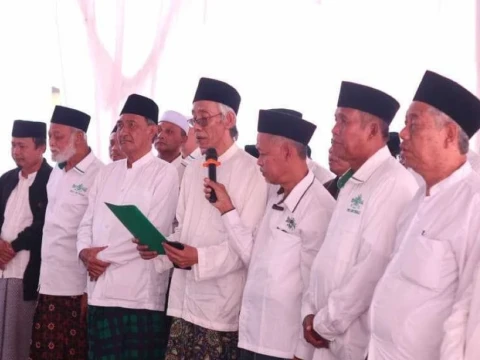
NU Calls for Honest and Dignified 35th Congress at Lirboyo Pesantren
As of August 22, 2026, religious leaders and organizational stakeholders within Nahdlatul Ulama (NU) are intensifying calls for a transparent, ethical, and dignified 35th Muktamar. Regional branches across Central Java and Yogyakarta have formally declared a commitment to these standards, aiming to mitigate internal friction and ensure organizational integrity during the upcoming leadership transition.
Regional Coalitions Demand Procedural Reform
The push for a reformed Muktamar stems from a series of regional consultations, most notably a forum held at the Raudlatu Thullab Islamic Boarding School in Magelang on June 17, 2026. According to reports from maklumat.id, the Regional Board of Nahdlatul Ulama (PWNU) for Central Java and the Special Region of Yogyakarta have formally proposed that the Pondok Pesantren Lirboyo in Kediri, East Java, serve as the host for the 35th Muktamar. This proposal is not merely logistical; it is symbolic. Proponents argue that hosting the event within a traditional boarding school environment will help preserve the values of adab (etiquette) and humility that define the organization’s foundational identity.
Beyond the location, these regional bodies have issued a firm rejection of “zoning” in the formation of the Ahlul Halli wal Aqdi (AHWA), the council responsible for selecting the leadership. The coalition argues that AHWA positions should be determined by an individual’s theological scholarship, integrity, and wisdom, rather than by geographic quotas.
Addressing Internal Friction and Leadership Dynamics
The lead-up to the 2026 congress has seen heightened scrutiny regarding the relationship between the Rais Aam (Supreme Leader) and the Ketua Umum (General Chairman). The PWNU and PCNU coalition from Central Java and Yogyakarta has explicitly opposed proposals that would grant the Rais Aam the unilateral authority to appoint the General Chairman. According to their statement, this concept deviates from the 1926 Qanun Asasi, which dictates that both roles must hold distinct, balanced mandates derived from the Muktamar itself.
The concern over these dynamics is shared by senior figures, including the caretaker of the Al-Aqobah Jombang boarding school, who has publicly urged candidates to remain within the bounds of Nahdliyin ethics. As reported by TIMES Indonesia, the focus remains on preventing personal rivalries from overshadowing the organization’s mission.
Operational Logistics and the Threat of Disinformation
Managing a national-scale assembly of 556 branches and regional offices presents significant logistical challenges. According to detikNews, these 556 entities are confirmed as eligible participants for the 35th Muktamar. The sheer scale of this assembly creates vulnerabilities, particularly regarding the spread of misinformation.
Acting Chairman of the PBNU, Gus Ipul, has publicly warned participants against the influence of hoaxes as the event approaches. As noted by ANTARA News, the integrity of the communication flow is viewed as essential to a “clean” and “honest” election process.
Advocacy for Asset Accountability
The 2026 Muktamar is also expected to address the management of NU’s strategic assets. The coalition of Central Java and Yogyakarta has called for new regulations to ensure that the management of mining interests and other business units remains transparent and accountable. They argue that these assets must explicitly serve the interests of Islamic boarding schools, cadre development, and the economic empowerment of the community.

As the organization moves toward the August 2026 deadline, the tension between traditionalist values and modern administrative demands remains the central theme of the Muktamar. Whether the assembly succeeds in maintaining its “dignified” goal will depend on the adherence to these proposed procedural reforms. The challenge for the leadership will be to balance the weight of historical tradition with the practical need for modern accountability, a task that has defined the organization’s evolution for nearly a century.