
NRL Tables $57 Million Investment Offer for Super League Stake
The Australian Rugby League Commission (ARLC) has formally tabled a proposal to acquire a 50% stake in the Super League, offering £6 million annually over five years to address the financial instability of Northern Hemisphere clubs. This strategic investment, confirmed by Rugby League Commercial (RL Commercial), aims to revitalize the competition while sparking debates regarding the long-term independence of European rugby league.
Financial Mechanics of the ARLC Proposal
According to reporting from the Sydney Morning Herald, the ARLC’s offer totals approximately $57 million (AUD) over a five-year term, providing a direct cash injection of £6 million per year to the Super League. The primary objective of this capital is to stabilize member clubs, many of which are currently operating at a loss. This move is fundamentally linked to the NRL’s broader commercial strategy, which includes a record-breaking $5.3 billion broadcast deal with DAZN and Nine, set to commence in 2028. The proposal is structured as a joint venture, with the NRL and DAZN looking to launch a unified “rugby league pass” for fans in the UK, integrating both NRL and Super League broadcast rights.
While some reports in the UK speculated that the offer could reach as high as £60 million, sources close to the negotiations have indicated that the £30 million total package represents a final, rather than an opening, bid. The Super League has confirmed that member clubs were briefed on the offer on August 14, 2026, though specific financial terms remain confidential. This infusion of capital is essential for clubs facing significant balance sheet pressure, where traditional revenue streams have failed to keep pace with operational costs.
Strategic Integration and the Feeder Pathway Concern
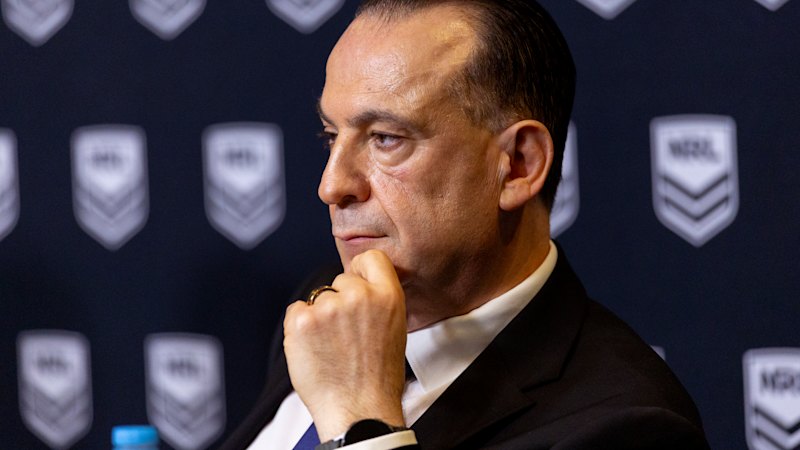
The prospect of an Australian takeover has triggered concerns about the autonomy of the English game and the potential for the Super League to be relegated to a “feeder” status for the NRL. NRL Chief Executive Andrew Abdo has publicly dismissed these fears, stating that the commission’s goal is to maximize the strength of the sport in the UK and Europe. However, the operational reality of such a partnership often involves closer alignment in recruitment and development. Clubs facing such structural shifts often require the support of specialized sports management firms to navigate complex multi-national contract law and international player transfer regulations.
The NRL has already demonstrated a clear intent to internationalize its product, most notably through the “Global Round” initiative and the staging of regular-season fixtures in Las Vegas. By integrating the Super League into this commercial ecosystem, the ARLC aims to leverage cross-competition narratives—such as the World Club Challenge—to increase global viewership. For local clubs, this shift necessitates a professionalization of front-office operations, often requiring engagement with premium event security and stadium management vendors to handle the logistical demands of expanded international competition formats.
Market Impact and Future Trajectory
The uncertainty surrounding this deal has effectively frozen the Super League’s domestic broadcast negotiations. According to the Sydney Morning Herald, discussions with Sky Sports regarding a new television deal—currently valued at approximately $40 million annually—have been placed on hold pending the outcome of the ownership negotiations. The NRL maintains that a unified, global product will allow for a significantly higher valuation of broadcast rights in the future.

The move represents a critical juncture for the 14 Super League clubs. As they process the terms of the ARLC’s offer, the contrast between the NRL’s aggressive commercial growth and the current financial stagnation of the European game becomes stark. If the deal proceeds, the professionalization of the English game will likely mirror the high-performance standards set in Australia, requiring clubs to upgrade their medical and training infrastructure. Athletes and organizations operating in this changing environment must ensure they are supported by vetted sports medicine and physical therapy clinics to maintain the high performance standards required for elite-level competition.
Disclaimer: The insights provided in this article are for informational and entertainment purposes only and do not constitute medical advice or sports betting recommendations.