Northern Thailand Wildfires: Record Hotspots Impact Health and Tourism
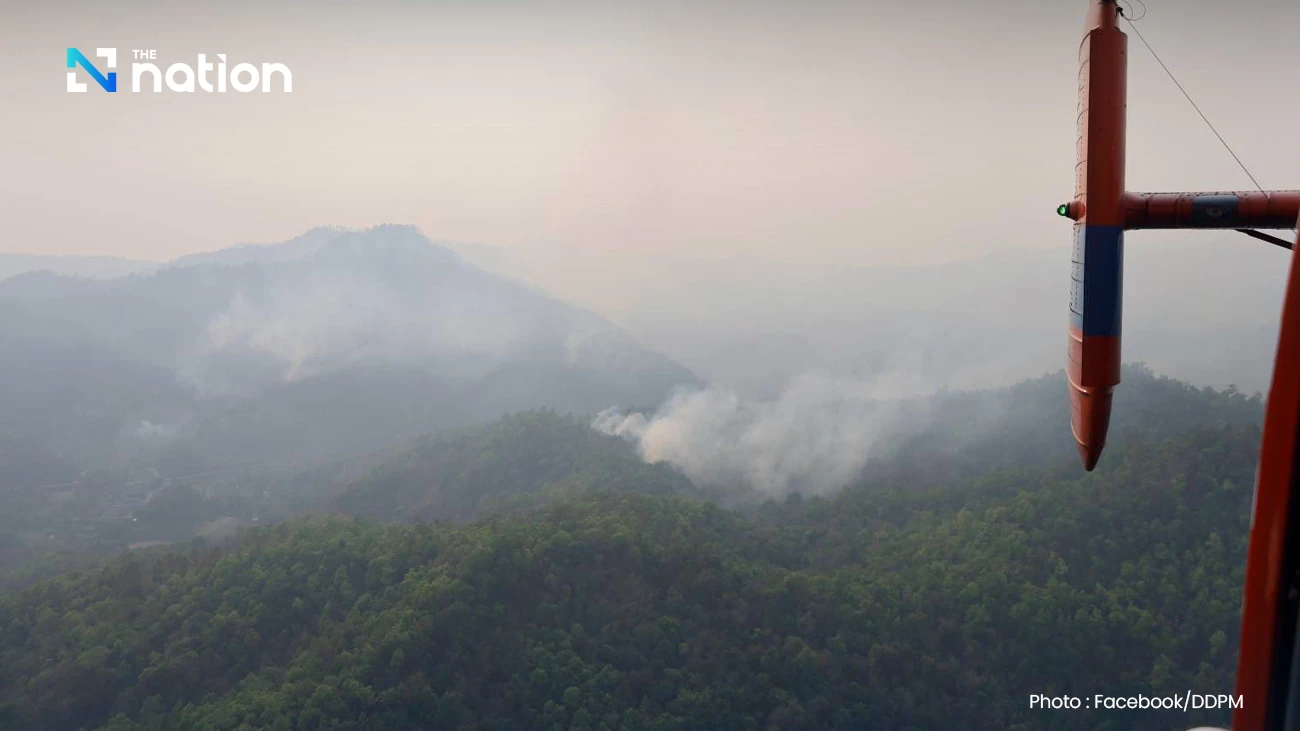
Northern wildfire surge pushes Thailand hotspots to 2026 high Thailand’s northern provinces recorded the highest number of wildfire hotspots in 2026, with satellite data showing a 40% increase compared to the same period in 2025, according to the Geo-Informatics and Space Technology Development Agency (GISTDA). The surge, concentrated in Chiang Mai, Chiang Rai, Lampang, and Mae Hong Son, began in late February and intensified through March, overwhelming local firefighting units and triggering repeated air quality alerts. Severe haze from the fires reduced visibility to under 1 kilometer in Chiang Mai city on March 12, prompting provincial authorities to suspend outdoor activities in schools and advise vulnerable populations to remain indoors. The Pollution Control Department reported PM2.5 levels exceeding 150 micrograms per cubic meter in multiple districts, surpassing the country’s safety threshold of 50 µg/m³ by threefold. Hospitals in Chiang Mai saw a 25% rise in respiratory-related admissions during the peak haze period, with elderly patients and children accounting for the majority of cases. Tourism operators in Chiang Mai’s Ancient City reported a 60% decline in bookings for March and early April, citing canceled tours and early departures by international visitors. Hotels in the Nimmanhaemin district noted occupancy rates dropping below 30%, a stark contrast to the 80% average recorded during the same period in 2025. Local guides and tuk-tuk drivers described streets as unusually quiet, with many businesses reducing hours or temporarily closing due to poor air quality and low foot traffic. The Royal Forest Department deployed over 1,200 personnel and 15 helicopters to combat the fires, focusing on protected areas such as Doi Suthep-Pui National Park and Ob Luang National Park. Despite these efforts, fires persisted in remote, steep terrain where ground access was limited. Officials attributed the outbreak to prolonged dry conditions, agricultural burning, and accidental ignitions from campfires and discarded cigarettes, though no individual cases have been referred for prosecution as of March 30. Neighboring Laos and Myanmar also reported elevated fire activity in border regions, contributing to transboundary haze that affected northern Thailand. The ASEAN Specialised Meteorological Centre noted smoke plumes crossing into Thailand from Shan State and eastern Laos, worsening conditions in Mae Hong Son and Tak provinces. Thai officials confirmed coordination with Lao and Myanmar counterparts through the ASEAN Agreement on Transboundary Haze Pollution, though no joint field operations were announced. As of March 28, the number of active hotspots in northern Thailand had decreased by 35% from the March 15 peak, according to GISTDA, though officials warned that residual fires could reignite with rising temperatures. The Pollution Control Department maintained its Level 4 health warning for Chiang Mai and Lampang, advising continued use of N95 masks and limiting prolonged outdoor exertion. No official timeline has been provided for when air quality is expected to return to safe levels.