
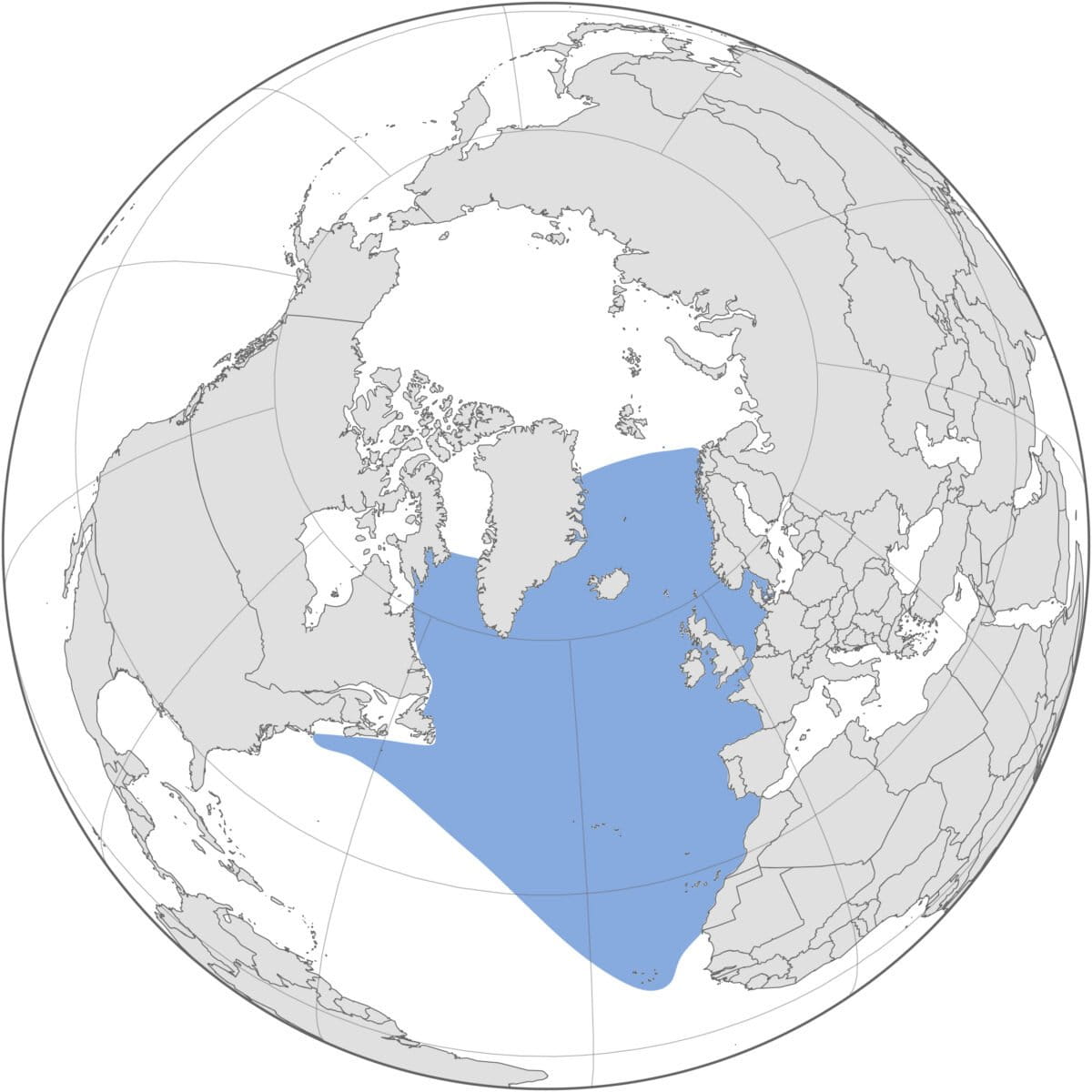
Endangered Northern Bottlenose Whale Population in Canada Shows Signs of Recovery
St. John’s, Newfoundland and Labrador – After decades of dedicated conservation efforts, the endangered population of northern bottlenose whales inhabiting the waters off Canada’s east coast is demonstrating a positive trend toward recovery, researchers announced today, December 5, 2025. A new study published in the Journal of Applied Ecology reveals that strategically placed marine protected areas are contributing too the whales’ resurgence, offering critical habitat and reducing threats from human activity.
For years,this unique population-distinct from other northern bottlenose whale groups-faced important decline due to historical whaling,entanglement in fishing gear,and disturbance from noise pollution. The research, led by Laura Feyrer of the University of British Columbia, highlights the effectiveness of spatial conservation measures implemented over the past two decades. Thes measures, designed to safeguard key foraging and calving grounds, are creating a network of safe havens for the whales.
The study focused on the impact of these protected areas on the whales’ ability to recover.Researchers found that the designated zones provide crucial refuge, allowing the whales to feed, breed, and raise their calves with reduced risk. “We’re seeing a positive response to these protections,” explained Feyrer. “The whales are utilizing these areas, and we believe it’s contributing to their overall recovery.”
Tho, researchers emphasize that protecting these whales requires a broader, multi-faceted approach. While the marine protected areas are vital for this specific population, the study acknowledges that northern bottlenose whales rely on a wider range of habitats throughout their lifecycle. “For many other species, it’s only part of their habitat, and we have to protect them in a lot of other ways,” Feyrer stated.
The findings underscore the importance of continued monitoring, mitigation of threats like entanglement, and international collaboration to ensure the long-term survival of this iconic species. The research team,including S.F. Walmsley, M.A. Stewart,M.A. MacNeil, and H. Whitehead, plans to continue tracking the population’s progress and refining conservation strategies to build upon this encouraging momentum.
