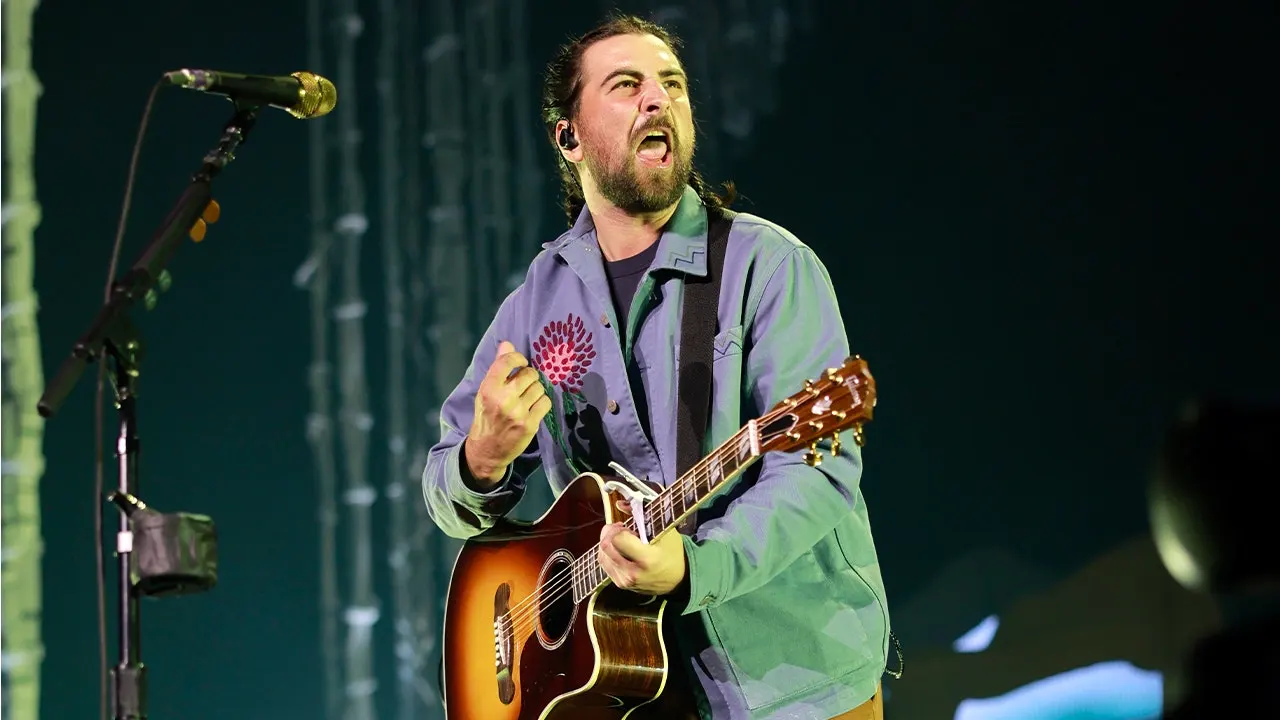
Noah Kahan Warns Fans to Prioritize Restroom Breaks After ‘The Great Divide’ Tour Stop in Philadelphia
Singer-songwriter Noah Kahan publicly addressed a sanitary incident at his Philadelphia tour stop at Citizens Bank Park after social media footage appeared to show fecal matter on the venue floor. Kahan, 29, urged concertgoers to utilize restroom facilities, citing the significant logistical burden placed on venue maintenance staff.
The Intersection of Fan Conduct and Venue Logistics
The incident at Citizens Bank Park, which surfaced on social media platforms including TikTok and X, highlighted the growing friction between high-density live music attendance and basic venue operations. The viral clip, which depicted a section of the floor seating area appearing to contain human waste, prompted Kahan to issue a stern directive to his audience. According to Kahan’s statement on X, the expectation for fans to manage their own restroom needs is a matter of professional respect for the venue workers tasked with maintaining sanitary conditions for thousands of attendees.
For large-scale touring operations, these moments represent more than just social media fodder; they underscore the volatility of crowd management. When an event of this scale—Kahan’s tour spans 57 stops—encounters behavioral anomalies, the ripple effect on local operations is immediate.
Precedent and the Reality of Live Performance
Kahan’s response included a candid admission regarding his own past experiences on stage, noting that he had previously defecated in his pants while performing in Charlottesville. By framing the incident through personal vulnerability, the artist attempted to de-escalate the situation while maintaining a firm boundary. This approach aligns with broader industry observations regarding the changing demands of live performance environments.

The trend of extreme fan behavior at major tours has become a point of discussion for contemporary artists. Olivia Rodrigo, in an interview with KISS FM UK, noted witnessing fans wearing diapers to maintain front-row positions at festivals and concerts, describing the olfactory consequences for performers on stage.
The Financial and Operational Stakes of Global Tours
Noah Kahan’s current tour, which supports his fourth studio album, The Great Divide, represents a massive commercial undertaking. Following his Grammy nomination for Best New Artist for Stick Season, Kahan’s market value has surged, placing him in a tier of performers where every logistical failure carries a financial weight. The costs associated with venue security, cleaning crews, and liability insurance are baked into the backend gross of these performances. When unsanitary conditions force venue staff to intervene, it creates a potential liability for the tour promoter and the host facility.
For those managing the legal and operational aspects of such tours, the focus remains on risk mitigation. As seen in recent industry news—such as Katy Perry being forced to cancel a Belgium festival set hours before taking the stage due to severe weather—external conditions often dictate the success of a tour stop. Whether the disruption is environmental or behavioral, the infrastructure surrounding the artist must be prepared to handle the fallout.
Maintaining Professional Standards in the Age of Viral Media
The viral nature of the Philadelphia incident emphasizes that for modern touring artists, the “brand” extends far beyond the music. Every moment of a tour, from the stage show to the behavior of the last row, is now subject to real-time scrutiny. Kahan’s attempt to standardize conduct, exemplified by his “pledge” at the Toronto show where he asked fans to promise not to defecate in their pants, serves as a bridge between the artist and his base, reinforcing that the concert experience is a collective responsibility.
As the tour continues toward its final date in Paris, the emphasis remains on maintaining the integrity of the live environment. For artists and promoters, the challenge is to balance fan engagement with the rigid requirements of large-scale event operations.
Disclaimer: The views and cultural analyses presented in this article are for informational and entertainment purposes only.