
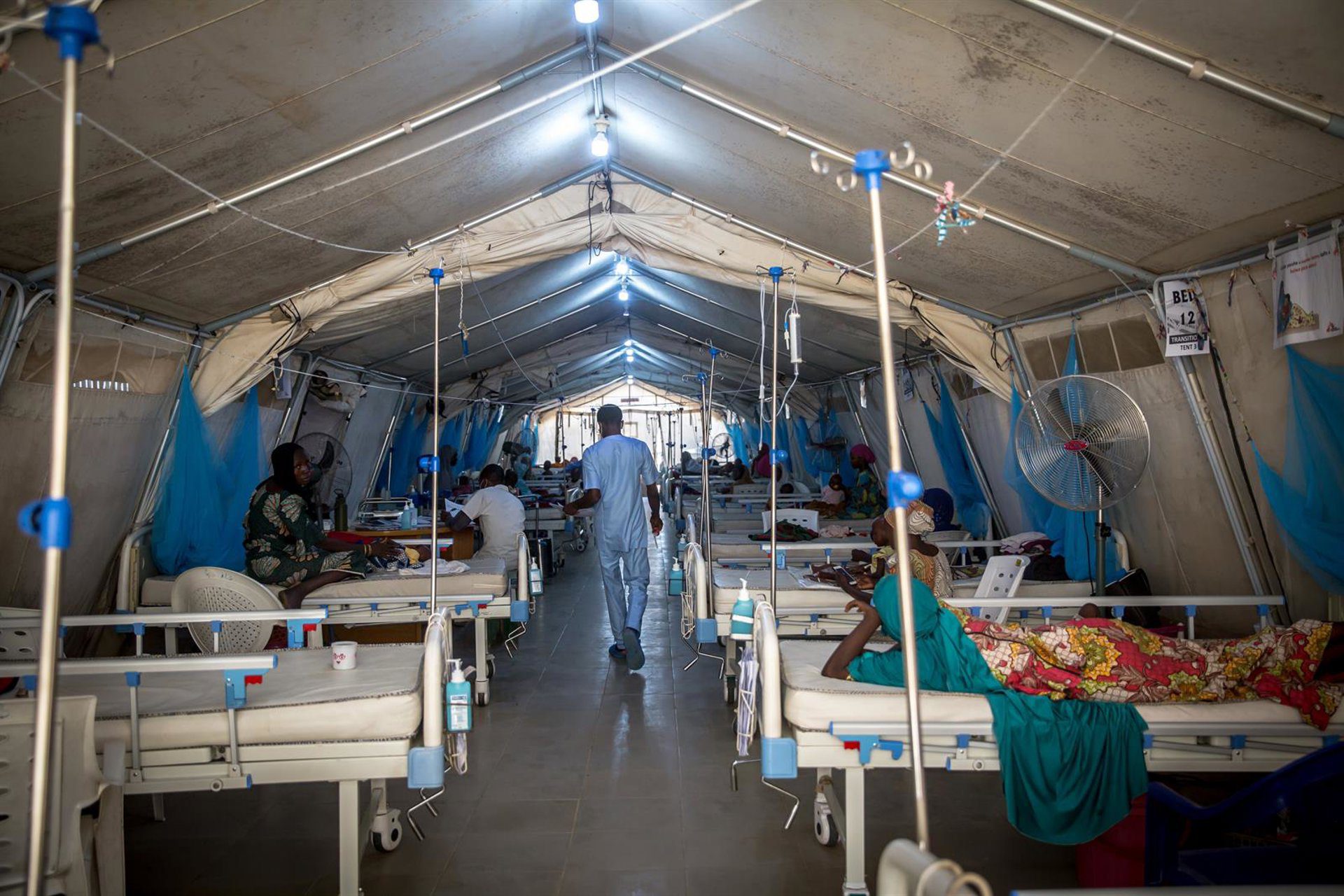
Nigeria Faces Child Nutrition Crisis as Aid Cuts Force Closure of Clinics
Table of Contents
Maiduguri, Nigeria – A severe child nutrition crisis is looming in northeastern Nigeria after the World Food Program (WFP) announced the closure of 150 sanitary clinics due to significant reductions in international aid. This closure will instantly cut off approximately 300,000 children from access to essential medical treatments, raising fears of a rapid deterioration in health outcomes.
Chi Lael, a spokesperson for the WFP in Nigeria, stated that half of the organization’s managed clinics will be forced to shut down this month. The closures represent a critical interruption in vital treatment programs for vulnerable children. The WFP has been compelled to terminate several programs supporting 1.3 million people due to insufficient funding.
The situation is especially dire as the United Nations agency has yet to receive $130 million (approximately €112 million) in urgently needed funding.Lael emphasized that the most immediate and devastating impact will be on child nutrition. Without continued support, the gains made in combating malnutrition are at risk of being reversed.
A record 31 million Nigerians – roughly 14 percent of the population – are currently facing food insecurity. The northeast region, plagued by ongoing violence and displacement affecting 2.3 million people, is experiencing particularly acute levels of severe hunger, with nearly one in five residents struggling to find enough to eat.
Lael warned that prolonged funding shortfalls will make recovery increasingly challenging. He expressed concern that the cessation of food assistance could destabilize northern Nigeria, exacerbating existing security challenges and potentially leading to further displacement and hardship.
Understanding Food Insecurity in Nigeria
Nigeria has long struggled with food insecurity, stemming from a complex interplay of factors including climate change, conflict, economic instability, and inadequate infrastructure. The northeastern region has been particularly vulnerable due to the ongoing insurgency by Boko Haram and other armed groups, which has disrupted agricultural production, displaced communities, and hindered humanitarian access.
historically,nigeria relied heavily on agriculture,but decades of underinvestment and a shift towards oil dependence have left the country increasingly reliant on food imports. Climate change is exacerbating the problem,with increasingly frequent droughts and floods impacting crop yields. The current crisis highlights the critical need for long-term solutions that address the root causes of food insecurity and build resilience within vulnerable communities.
Frequently Asked Questions About the Nigerian Food Crisis
-
Q: What is causing the current food insecurity in Nigeria?
A: The food insecurity is caused by a combination of factors, including conflict in the northeast, climate change impacts like droughts and floods, economic instability, and reduced international aid.
-
Q: How many children are affected by the closure of WFP clinics in nigeria?
A: Approximately 300,000 children will lose access to essential medical treatments due to the closure of 150 WFP-managed clinics.
-
Q: What is the WFP doing to address the funding shortfall for Nigeria?
A: The WFP is appealing for $130 million (approximately €112 million) in urgent funding to continue its programs and prevent further deterioration of the situation.
-
Q: What is the overall level of food insecurity in Nigeria currently?
A: A record 31 million Nigerians, representing about 14 percent of the total population, are currently facing food insecurity.
-
Q: How does the conflict
