
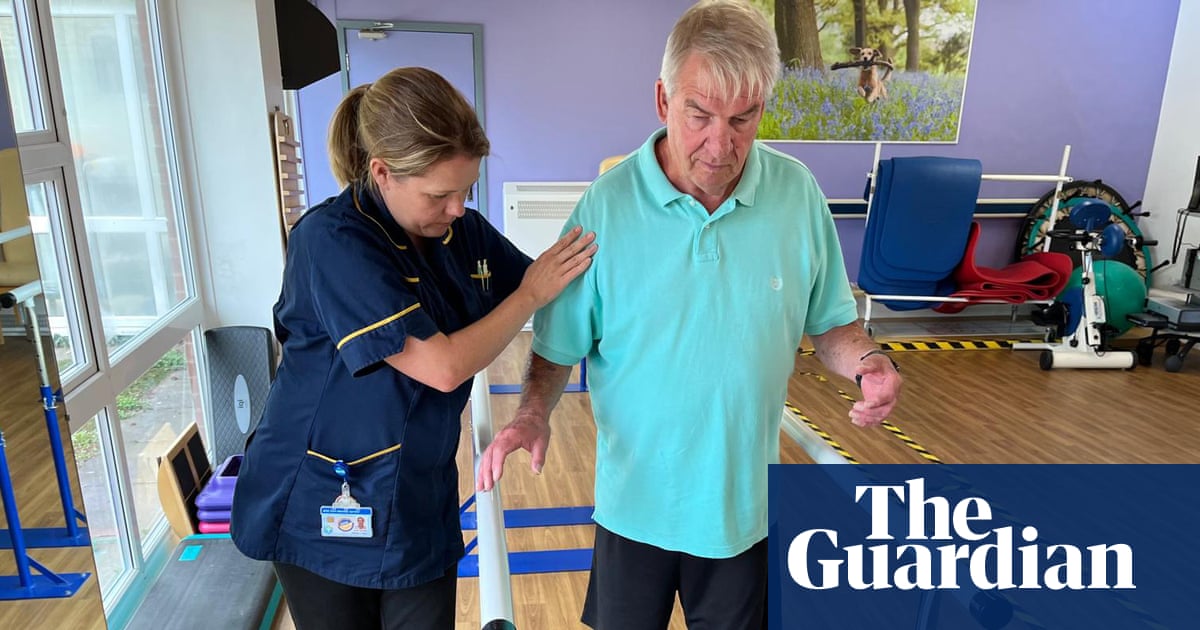
NHS Rehab Staff Shortages Failing Stroke Patients
The medical community has achieved a significant victory in acute stroke intervention, with more patients surviving these life-threatening events than ever before. However, this clinical success has exposed a critical systemic failure: a profound shortage of rehabilitation staff that threatens to turn survival into a lifelong struggle with avoidable morbidity.
Key Clinical Takeaways:
- Increased survival rates in the UK are being undermined by a critical shortage of specialist physiotherapists and rehabilitation staff.
- Current data indicates a severe deficit in care frequency, with hospital rehab limited to three to four days a week and post-discharge care dropping to one to two days.
- The National Stroke Programme aims for a 90% six-month review rate, yet systemic staffing gaps are hindering the delivery of this standard of care.
The paradox of modern stroke care is that while we have become expert at saving lives in the acute phase, the infrastructure for restoring those lives is fracturing. The Chartered Society of Physiotherapy and the Association of Chartered Physiotherapists in Neurology have highlighted a growing crisis where the hope of recovery is being dashed not by the limitations of biology, but by a lack of human resources. When the transition from acute survival to functional recovery is interrupted by staffing shortages, the long-term prognosis for the patient shifts from independence back toward chronic dependency.
The Erosion of the Rehabilitation Standard of Care
Recovery from a stroke is not a passive process of healing but an active physiological and psychological reconstruction. The standard of care requires a multidisciplinary approach tailored to the specific physical and mental impairments of the patient. According to established NHS protocols, a comprehensive recovery plan should encompass physiotherapy to address numbness and movement issues, cognitive behavioural therapy (CBT) to manage the high incidence of anxiety, depression, and fatigue, and cognitive rehabilitation to restore memory and concentration.
the recovery pathway must address essential life functions through exercises targeting speech, swallowing, and vision, alongside clinical guidance for bowel and bladder management. For many, the goal is to return to work or adapt their home environment to maintain autonomy. However, the current workforce crisis means these interventions are becoming sporadic. When rehabilitation is reduced to a few days a week, the window for neuroplasticity and functional gain is severely limited.
For patients who find that public health resources are insufficient to meet their recovery goals, seeking assistance from specialist physiotherapists and board-certified neurologists is often the only way to ensure the intensity of therapy required for meaningful improvement.
The NHS is failing stroke patients and limiting their chances of recovery since of a shortage of rehabilitation care staff.
National Ambitions Versus Operational Reality
The National Stroke Programme, developed jointly by NHS England and the Stroke Association, was designed to modernize the stroke pathway. The programme’s ambitions are clinically aggressive: increasing the proportion of patients receiving clot-removing thrombectomy and ensuring that thrombolysis—the delivery of clot-busting medication—reaches 20% of stroke patients by 2025. These interventions are critical in the acute phase to minimize brain tissue death and improve the baseline for rehabilitation.
Yet, the effectiveness of these acute breakthroughs is contingent upon what happens after the patient leaves the emergency ward. The programme aims to utilize the Sentinel Stroke National Audit Programme (SSNAP) to drive improvements across the entire pathway. A primary metric of success for the National Stroke Programme is the six-month recovery review; the goal is to increase the proportion of patients receiving these reviews from 29% to 90%.
The current staffing shortage creates a bottleneck that renders these targets nearly impossible to achieve. If the specialists required to conduct these reviews and lead the rehabilitation sessions are unavailable, the data collected by SSNAP may reflect a systemic failure in delivery rather than a failure in clinical protocol. The gap between the “acute save” and the “long-term recovery” is where the most significant patient risk now resides.
Addressing the Post-Hospital Care Gap
The transition from hospital to home is the most vulnerable period for a stroke survivor. While the NHS offers telerehabilitation—online therapy supported by technical training and equipment—this is often a supplement to, rather than a replacement for, in-person specialist care. The data suggesting that patients receive only one to two days of rehabilitation per week after discharge is a stark deviation from the intensive therapy typically required to regain motor function and speech.

This shortage of specialist staff extends beyond physiotherapy to include speech and language therapists and occupational therapists. The resulting deficit in care increases the burden on unpaid carers and elevates the risk of secondary complications. To mitigate these risks, families are increasingly looking toward private speech and language therapists to fill the void left by overstretched public services.
The clinical logic is simple: the more intensive the rehabilitation in the early months following a stroke, the higher the probability of the patient regaining independence. By limiting the frequency of these sessions, the healthcare system is effectively capping the recovery potential of thousands of survivors annually.
The Trajectory of Stroke Recovery in the UK
The path forward requires more than just clinical guidelines; it requires a workforce strategy that matches the success of acute medical interventions. The National Stroke Programme has laid the groundwork for a sophisticated, data-driven approach to care, but the “human element”—the therapists and consultants—remains the primary point of failure. Until the shortage of specialist staff is addressed, the increase in survival rates will be shadowed by a plateau in recovery rates.
As the healthcare landscape evolves, the integration of telerehabilitation and the expansion of thrombectomy sites will continue to save lives. However, the ultimate measure of a healthcare system is not merely whether a patient survives the event, but whether they are given the tools to live a meaningful life afterward. For those currently navigating this gap, accessing vetted, high-quality care through a professional directory is a vital step in securing the rehabilitation necessary for a full recovery.
Disclaimer: The information provided in this article is for educational and scientific communication purposes only and does not constitute medical advice. Always consult with a qualified healthcare provider regarding any medical condition, diagnosis, or treatment plan.