
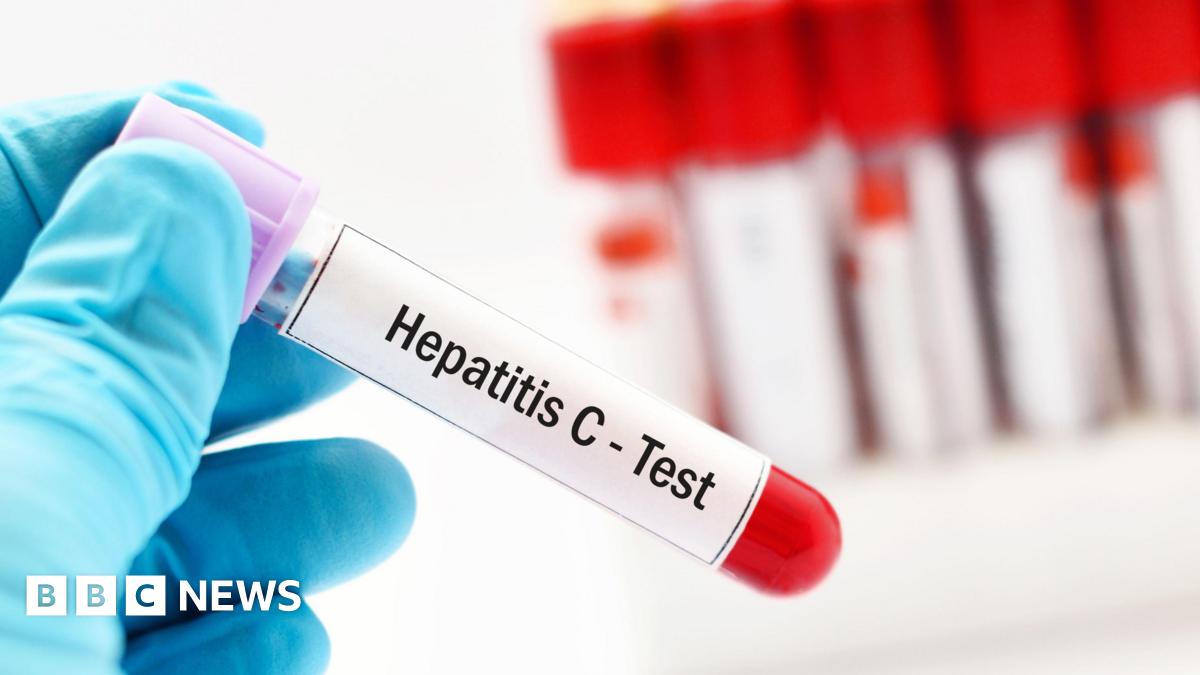
NHS England Expands Hepatitis C Testing After Blood Inquiry
LONDON – october 27, 2024 – Following recommendations from the Infected Blood Inquiry, NHS england will now be screening approximately 400,000 individuals annually who were born before 1996.The initiative aims to identify those possibly infected with hepatitis C due to prior blood transfusions.This proactive measure is in response to the Inquiry’s findings and underscores the importance of early detection and treatment for this serious condition. read on for further details.
NHS England Expands Hepatitis C Testing After Blood Transfusion Inquiry
In a proactive move following recommendations from the Infected Blood Inquiry report published in May 2024, NHS England is set to screen approximately 400,000 individuals annually, all born before 1996, about their history of blood transfusions. This initiative aims to identify and support those possibly infected with hepatitis C through contaminated blood products before extensive screening measures where in place.
Streamlined Testing Process
The new process integrates a question about prior blood transfusions into the online GP registration form. if a patient confirms a history of transfusion, they will be offered a convenient at-home testing option. This involves a simple finger-prick blood test, which is then mailed to a laboratory for analysis. Alternatively, testing is also available at GP surgeries, sexual health clinics, and other healthcare facilities, according to NHS England.
Call to Action from Hepatitis C Trust
The Hepatitis C Trust is actively encouraging anyone who received a blood transfusion before 1996,including current GP patients,to undergo testing. The urgency is underscored by the fact that many individuals are only now discovering infections that have persisted for decades.
Every two weeks we hear from someone infected with hepatitis C through a transfusion who is only now finding out. All of these people have had hepatitis C for more than three decades; some are very ill. A more proactive approach is critical to reaching and diagnosing those who remain unaware of their infection.
Rachel Halford, chief executive of the Hepatitis C Trust
“A Vital Step Forward”
Prof. Stephen Powis, medical director of NHS England, emphasized the meaning of this change, calling it a vital step forward
to ensure that no one affected by contaminated blood remains undiagnosed and unsupported.
He also addressed the ancient failures that led to the contaminated blood scandal.
The failures of the contaminated blood scandal have had a horrifying impact for patients and their families for decades, and I would like to reiterate our deepest apologies for the role the health service played in the suffering and loss for so many.
Prof. Stephen Powis, medical director of NHS England
Reduced Risk in Modern Transfusions
Health officials assure the public that the risk of contracting an infection from blood transfusions or blood products is now very low, thanks to the introduction of rigorous screening protocols. All blood donations have been screened for HIV,hepatitis B,and hepatitis C since September 1991.
frequently Asked Questions (FAQ)
-
Who is being asked about blood transfusions?Approximately 400,000 people born before 1996 each year.
-
How will I be asked?Through the online GP registration form.
-
What if I had a blood transfusion?You can test yourself for hepatitis C at home or at a clinic.
-
When did blood screening start?September 1991 for HIV,hepatitis B,and hepatitis C.
