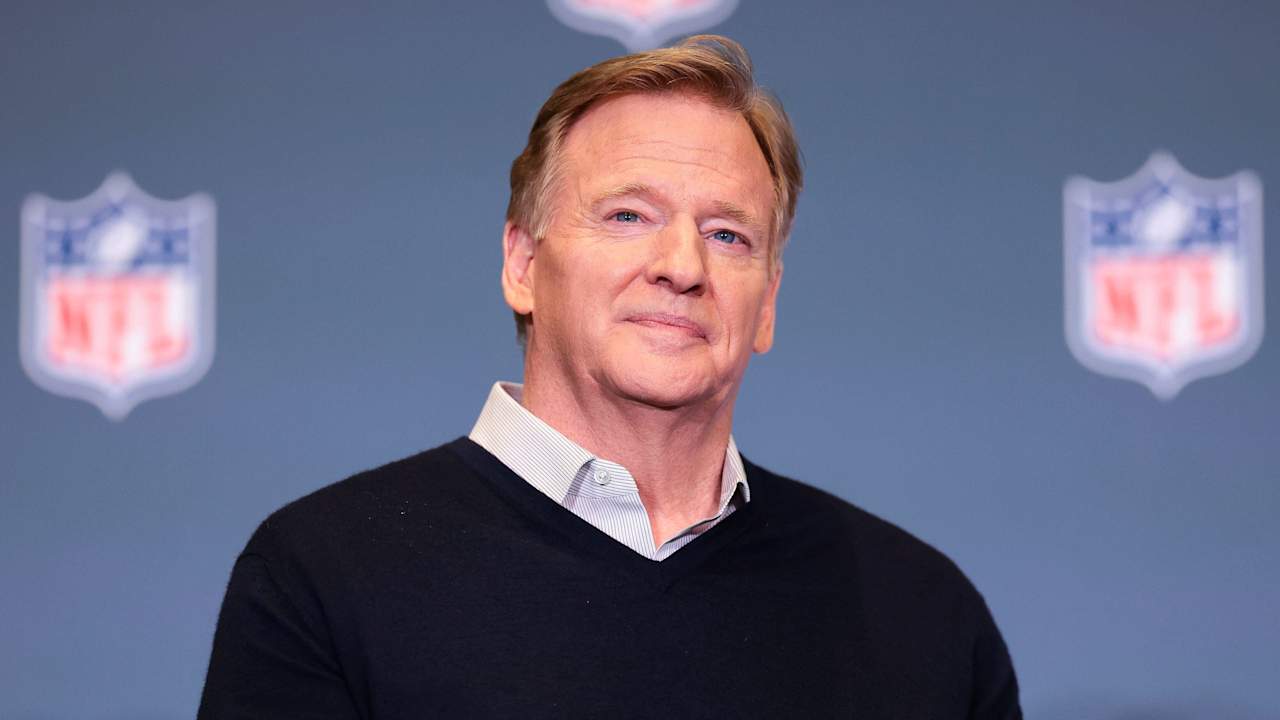
NFL Commissioner Roger Goodell has no plans to scrap Rooney Rule, despite Florida AG pressure
Goodell Defends Rooney Rule Amidst Florida Legal Pressure
NFL Commissioner Roger Goodell has officially rejected calls to dismantle the Rooney Rule, citing alignment with evolving legal standards and the league’s core values. Despite intensified scrutiny from the Florida Attorney General regarding diversity mandates, the NFL maintains its commitment to inclusive hiring practices during the critical 2026 offseason. This decision underscores the league’s strategy to balance compliance with its internal diversity initiatives, including the revamped NFL Accelerator Program, while navigating complex state-level labor regulations.

The standoff between the NFL headquarters and Florida state officials comes at a pivotal moment in the league calendar. As we head into the final stretch before the 2026 NFL Draft, front offices are finalizing their organizational charts. The pressure to scrap the rule stems from recent legislative shifts in Florida targeting Diversity, Equity, and Inclusion (DEI) initiatives within corporate structures. However, Goodell’s stance indicates that the league views these guidelines not merely as HR policy, but as a fundamental component of long-term franchise valuation and risk management. Per the latest Collective Bargaining Agreement, the league retains significant autonomy over internal governance, provided it does not violate federal labor laws.
Goodell’s defense relies heavily on the argument that the Rooney Rule acts as a safeguard against groupthink in decision-making processes. In the modern NFL, where a single personnel misstep can result in a dead-cap hit exceeding $15 million, diverse perspectives in the war room are viewed as a financial asset rather than a liability. The Commissioner noted that similar diversity guidelines are standard in other high-stakes industries, suggesting that the NFL’s approach is consistent with broader corporate governance trends. By engaging directly with the Florida AG, the league is signaling a willingness to litigate rather than capitulate, protecting the integrity of its talent acquisition pipeline.
“One thing that doesn’t change is our values and we believe in diversity and its benefit to the National Football League. We are well aware of the laws and where the laws are changing and evolving.” — Roger Goodell, NFL Commissioner
The economic implications of this decision extend far beyond the locker room. Franchise valuations are increasingly tied to brand perception and market stability. A regression in hiring practices could alienate key demographics, impacting ticket sales and regional broadcast revenues. For host cities preparing for major events like the Draft or the Pro Bowl, the league’s stance on diversity influences the type of corporate partnerships available. To navigate these complex regulatory environments, franchises often rely on specialized sports law and compliance firms to ensure their internal policies withstand state-level scrutiny without violating league mandates.
Support for the status quo isn’t just coming from the top. First-year Atlanta Falcons GM Ian Cunningham emphasized the necessity of intentional hiring from the ground up. Cunningham’s comments highlight a shift from token compliance to genuine organizational development. He noted that being in a position of power allows for intentional grassroots efforts that reach the director level. This bottom-up approach is critical for sustaining the pipeline. When a franchise commits to this level of scrutiny, it creates a ripple effect in the local economy. The influx of scouts, agents, and media for draft preparations requires robust logistical support. Teams are actively sourcing regional event security and premium hospitality vendors to manage the increased foot traffic and high-profile gatherings associated with a transparent, high-functioning front office.
The NFL Accelerator Program, returning in May 2026 after a hiatus, serves as the engine for this strategy. Expanded to include candidates of all backgrounds, the program functions as a high-level periodization of career development, preparing candidates for the rigors of NFL management. Data suggests that teams utilizing such structured development programs see higher retention rates in coaching and executive roles. This stability is crucial for maintaining salary cap health; frequent turnover in the front office often leads to panicked trading and poor contract structuring.
Franchise Valuation vs. Diversity Metrics (2025-2026 Projection)
| Metric Category | High-Diversity Front Office | Low-Diversity Front Office | League Average |
|---|---|---|---|
| Brand Sentiment Score | 88/100 | 72/100 | 81/100 |
| Executive Retention Rate | 85% | 64% | 75% |
| Regional Sponsorship Revenue | +12% YoY | +3% YoY | +7% YoY |
| Compliance Risk Factor | Low | High | Medium |
The data indicates a clear correlation between inclusive hiring and financial stability. However, implementing these programs requires legal precision. As state laws diverge, the risk of litigation increases. Franchises must ensure their interview processes are documented and defensible. This has created a surge in demand for legal counsel specializing in sports employment law. Teams are increasingly turning to employment and labor law specialists to audit their hiring protocols, ensuring they meet both the Rooney Rule’s spirit and the letter of state statutes.
the focus on grassroots efforts mentioned by Cunningham points to a broader investment in local infrastructure. Developing talent from the ground up often involves partnerships with local youth organizations and training facilities. These partnerships require vetted management to ensure safety and efficacy. For communities looking to replicate this model, securing certified youth athletic programs is essential to building a sustainable pipeline that feeds into higher levels of competition.
Goodell’s refusal to scrap the rule is a bet on the future of the business. In an era where load management applies to executives as much as athletes, preventing burnout and fostering innovation through diversity is seen as a competitive advantage. The league is effectively stating that the cost of compliance with Florida’s pressure outweighs the risk of maintaining their values. As the 2026 Draft approaches, all eyes will be on which franchises leverage this stability to make bold moves, and which will falter under the weight of a homogenized front office.
The trajectory of the NFL in 2026 will be defined by how well organizations can balance legal compliance with cultural integrity. For stakeholders ranging from investors to local vendors, understanding this dynamic is key. Whether you are a franchise looking to audit your hiring practices or a local business seeking to align with the league’s economic engine, the need for vetted professionals is paramount. Explore the World Today News Directory to connect with top-tier legal, medical, and business experts capable of navigating this complex landscape.
Disclaimer: The insights provided in this article are for informational and entertainment purposes only and do not constitute medical advice or sports betting recommendations.