
Durham University Leads Effort to Design revolutionary Camera in Search for Extraterrestrial Life
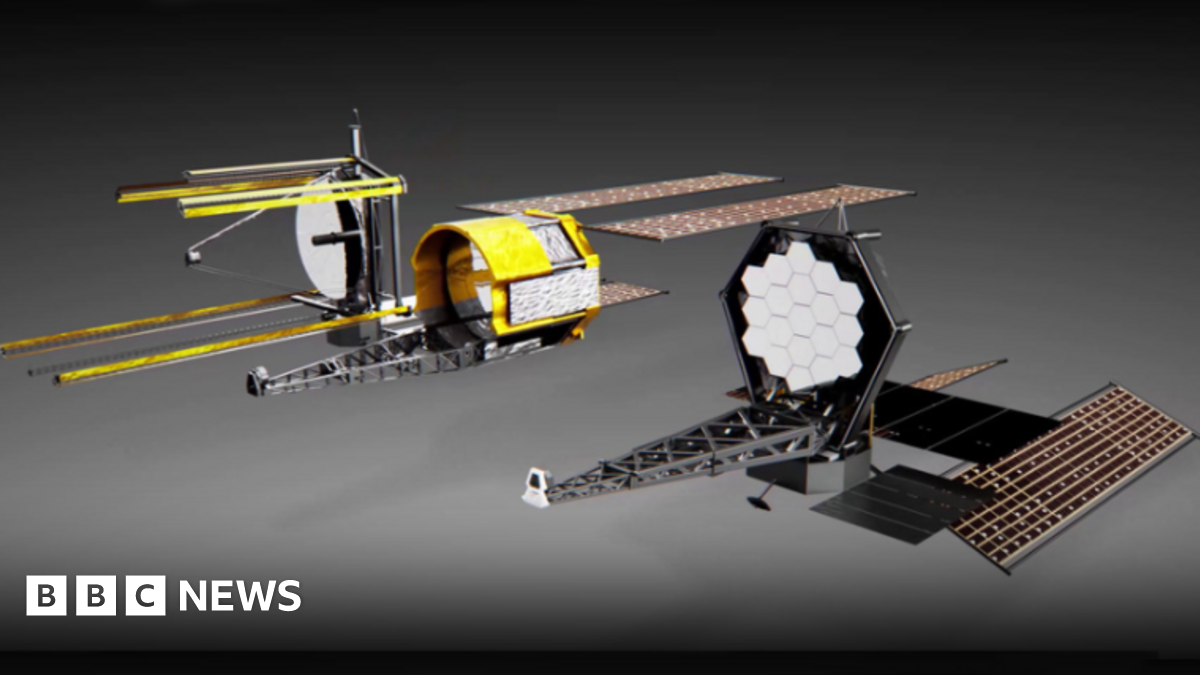
DURHAM, UK – Scientists and engineers at Durham University are playing a pivotal role in developing cutting-edge camera technology for NASA’s Habitable Worlds Observatory (HWO) mission, slated to launch in the early 2040s. the project aims to directly image and analyze rocky planets outside our solar system – a feat previously hindered by the overwhelming glare of their host stars – in the search for potential signs of life.
The challenge lies in observing planets like Earth, which are difficult to study due to their proximity to bright stars. To overcome this, the HWO will utilize a sophisticated instrument called a coronagraph.This technology will effectively block out the starlight,allowing scientists to observe the faint light reflected by orbiting planets for the first time.
Researchers hope the camera will not only capture images of these distant worlds but also measure their mass and analyze their atmospheres for chemical biosignatures - indicators of past or present life. Beyond the search for extraterrestrial life, the HWO is designed to observe asteroid collisions within our solar system, study black holes, and contribute to unraveling the mysteries of dark matter.
The UK hardware team, led by University College London, includes importent contributions from the University of Portsmouth, RAL Space, the UK Astronomy Technology center, and Durham university. This collaborative effort is one of two groups funded by the UK Space Agency to explore the feasibility of a UK-led high-resolution imager for the enterprising mission. the University of Leicester leads the second group.
“As well as looking for life, a telescope that amazing will watch collisions of asteroids in our solar system, stare into black holes, and solve the mystery of dark matter,” a NASA representative stated. The HWO represents a monumental leap forward in exoplanet research and promises to reshape our understanding of the universe and our place within it.
